

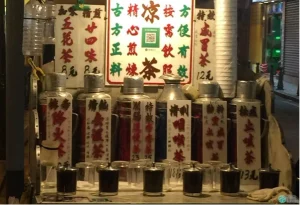
1. The Cooling Wisdom of Herbal Tea
Macau has a long tradition of herbal tea. The 1958 Macau Yearbook lists 28 dedicated shops and over 100 street stalls. One of the oldest, “Tai Sing Kung” (Big Voice) herbal tea on Rua da Palha, was said to date back to the late 19th century, named after its owner’s loud hawking. By the 1970s, brews like 24-flavour tea, five-flower tea, and bamboo cane with water chestnut were everyday go‑tos for cooling down and dispelling dampness.
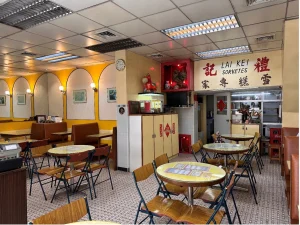
2. Sweet, Icy Nostalgia
Lai Kei Ice Cream on Avenida do Conselheiro Ferreira de Almeida remains one of the city’s oldest. Starting as a humble pushcart in the 1930s, it moved to its current location in the 1960s. As Macau’s economy took off in the 1970s and 80s, these ice rooms became the ultimate summer hangouts, driving Lai Kei to its golden age.
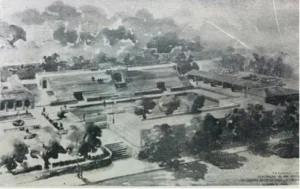
3. Public Pools and Bamboo Swimming Sheds
The Estoril Swimming Pool, opened in June 1952, was Macau’s first modern, hygienic swimming facility, once touted as the largest of its kind in South China. Before such pools existed, bamboo swimming sheds were the go-to summer escape. In the 1930s and 40s, private sheds dotted the NAPE coastline—erected in early summer and dismantled by autumn. Following government safety bans, they were relocated to the Reservoir’s North Point. They eventually vanished in the 1990s to make way for the Friendship Bridge, leaving behind only collective memories.
4. The Luxury of Air-Conditioned Cinemas
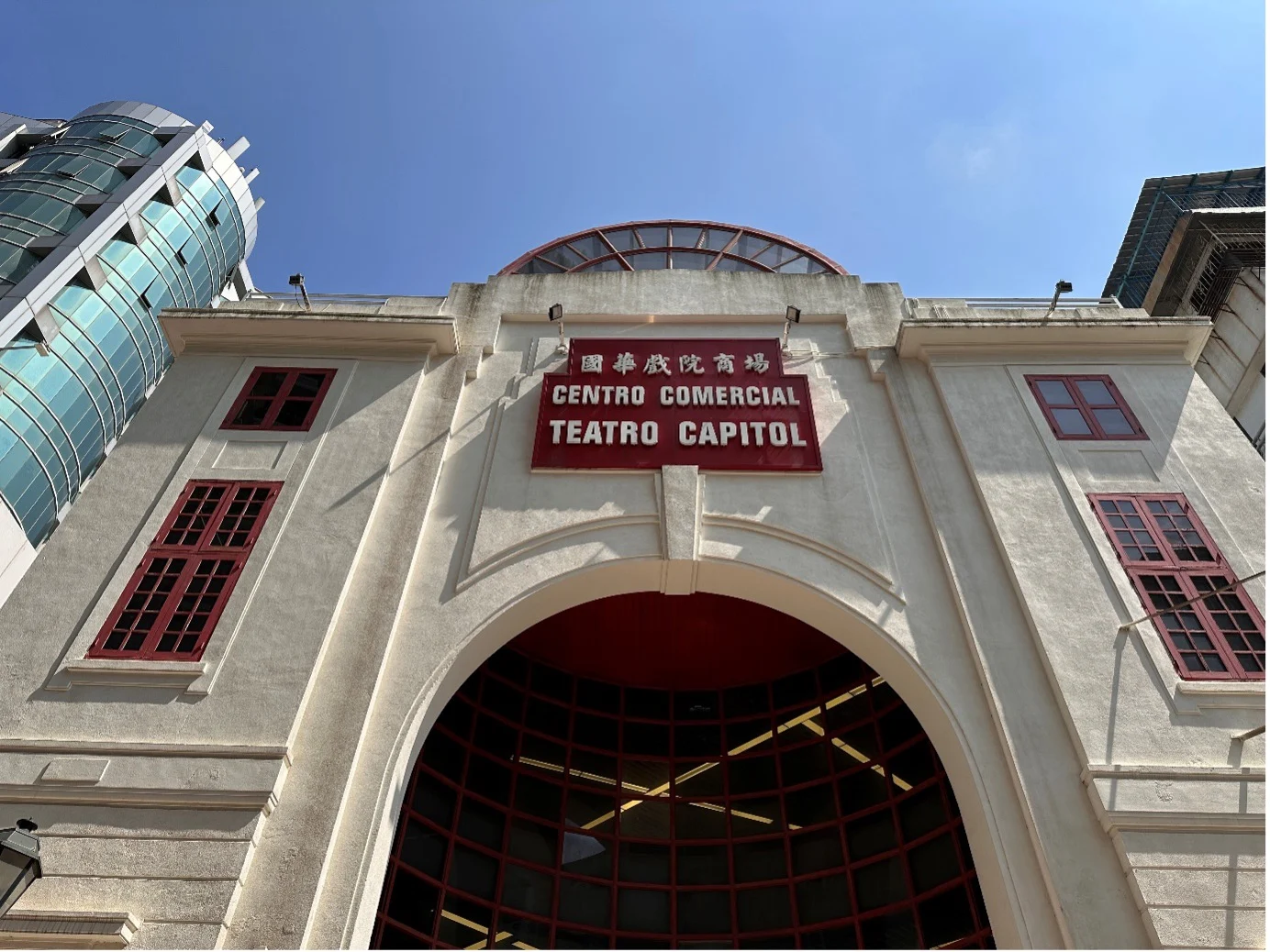
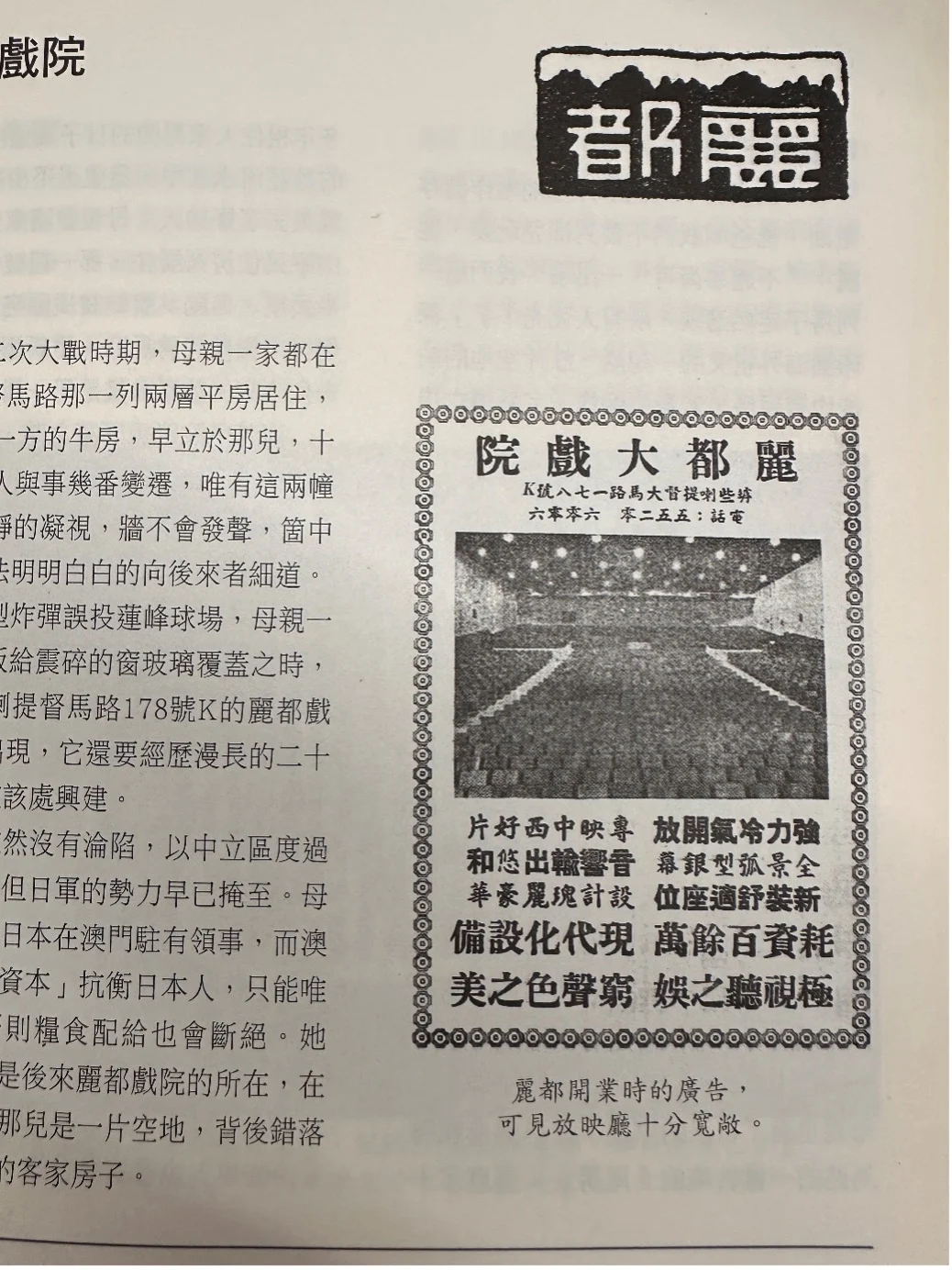
Theatres like Apollo, Capitol, and Lido were early adopters of air conditioning, making them prime entertainment spots. Movie posters would proudly boast “Powerful A/C” to draw in the summer crowds.
5. Hand Fans and Natural Breezes
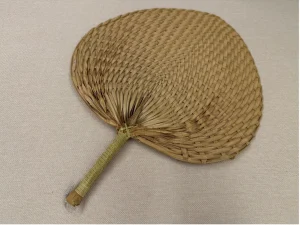
Before electrical appliances were the norm, ceiling fans and hand-held palm leaf or paper fans were the primary cooling tools. A quintessential 1970s scene featured neighbors gathering outside their homes after dinner, chatting and fanning themselves in the evening air. Furthermore, older architecture prioritized natural cross-ventilation, allowing residents to catch a breeze even without modern cooling systems.
Fifty years ago, Macau residents relied on bittersweet herbal teas, icy treats, air-conditioned cinemas, coastal breezes, and the rhythmic swaying of palm fans to endure the summer. Today, as global warming, urban heat island effects, and rising humidity intensify our heatwaves, our fast-paced lives and modern spaces are inextricably linked to air conditioning. “How we balance urban expansion with nature to recapture the gentle breezes of the past remains a crucial test of our era. Rethinking our approach to low-carbon and sustainable living might just be the first step in helping this city “cool down”.
