

More than a photographic retrospective, “The Insider” presents itself as a journey through stories built through proximity, time and trust. Based in Macau for four years and currently a contributor to AFP and Bloomberg, Eduardo Leal brings to Casa Garden, until 5 July, a series of personal projects developed in Macau, Portugal, Brazil and India, all based on a logic of prolonged engagement with the people photographed.
“The idea is to try to enter those worlds, to understand them better, more calmly. Eduardo, who at first is a stranger with a camera, becomes part of the landscape. And that is when the stories usually emerge,” he explains to PLATAFORMA. “People relax, they no longer perform in front of the camera. And that is when I really begin to see the true story and take the real photographs.”
For Eduardo Leal, the concept of “insider” is born precisely from this gradual process of getting closer. “At the beginning, when I enter with a camera, it is very strange. People look at me: ‘Who is this person?’,” he says. The photographer explains that, today, people are much more aware of image and tend to “perform” in the presence of a camera. “People do what they think I expect from them. Or how they will look better in the image. To get past that barrier takes time.”
It was very important to have a Chinese curator to create that bridge with the rest of the community (…) I did not want to make an exhibition only for the Portuguese community
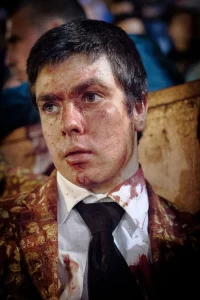
That prolonged engagement often ends up changing the relationship with the groups being photographed. Eduardo Leal recalls the work he developed with Portuguese amateur forcados, with whom he lived for three months. “There came a point when they told me: ‘You are one of us now.’ I was already going to dinners, I was already part of the group,” he recalls.
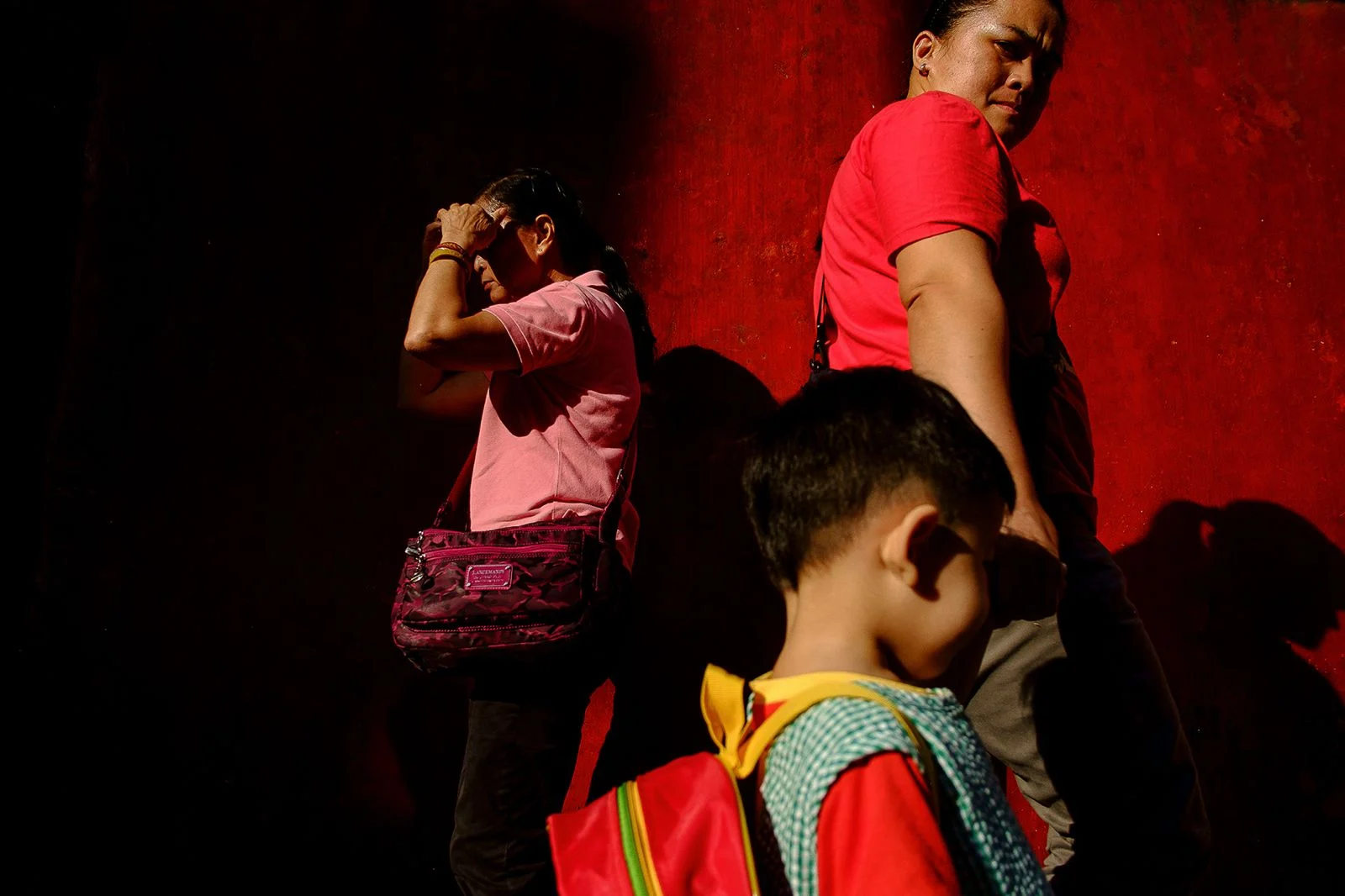
The exhibition, curated by Chinese artist and curator Júlia Lam, is divided into three thematic rooms and begins precisely in Macau, through the project “Pataca”, a visual reflection on the city’s contrasts.
“It examines Macau’s dual identity,” Eduardo Leal summarises. “It contrasts moments of glamour and wealth with quieter things in the city.” Hence the name of the project: “the two sides of the territory’s coin.”
Unlike other works more focused on a specific community, “Pataca” emerges from observing the city itself. “It is a slightly different kind of insider,” he admits. “Instead of entering a family or a group, I am inside the city.”
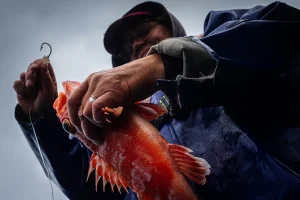
The exhibition then continues through other worlds marked by human proximity. In “Forcados”, Eduardo Leal documents amateur groups linked to the Portuguese tradition of the pega; in “Açorianas do Mar”, he follows the last fisherwomen of the Azores; and in “A Ilha”, he portrays an isolated community in the Lençóis Maranhenses, in Brazil.
In the case of the Azorean fisherwomen, the photographer followed a reality marked by gender inequality and the progressive disappearance of a traditional activity. “When I started the project there were five women going out to sea. When I finished there were already four. Today I think there are three left,” he tells PLATAFORMA.
The journey ends with “Kumbh Mela”, in India, considered the largest religious festival in the world, where the photographer lived for two months with a Saddhu, a Hindu holy man. “In the year I was there, around 120 million people gathered throughout the festival,” he explains.
Curatorship for everyone
Although it is an exhibition included in the Month of Portugal, Eduardo Leal wanted to create a broader bridge with local society. Hence the choice of Júlia Lam as curator. “It was very important to have a Chinese curator to create that bridge with the rest of the community,” he explains. “I did not want to make an exhibition only for the Portuguese community.”
According to the photographer, Júlia Lam’s involvement profoundly changed the initial concept of the show: “The exhibition changed a lot into what it is today,” he admits. “There is a large part of it that was not in my head.”
The idea is to try to enter those worlds, to understand them better, more calmly. Eduardo, who at first is a stranger with a camera, becomes part of the landscape. And that is when the stories usually emerge
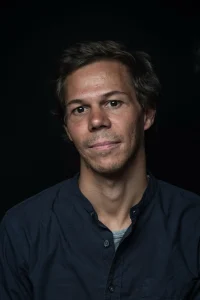
The dialogue between the two also ended up revealing new readings of the works themselves. Eduardo Leal gives the example of the series on forcados, which he initially had not even thought of including. “For us Portuguese, that may seem normal. But for Júlia it was fascinating. She would say: ‘Who are these men? Are they crazy?’”
In addition to the exhibition, the programme also includes a conversation between Eduardo Leal and Julia Lam, on 17 June, under the theme “Invisible Narratives: The Stories Behind the Stories”, as well as an intensive documentary photography workshop on 20 and 21 June.
Throughout his travels and reportages, Eduardo Leal says he found a common trait across very different geographies and contexts. “There are many good people in this world,” he says. “The world is much better than it is often painted,” highlighting his experience in Pakistan: “They were probably the most hospitable people I have ever met,” he says. “I could not walk for five minutes without someone offering me food, drink or help.”
The exhibition will also be accompanied by a photo book with the same title, in which Eduardo Leal brings together more extensive versions of the projects presented at Casa Garden. The publication, also trilingual — in Portuguese, English and Chinese — will include additional content from the reportages and more in-depth narratives about each photographic series, and will be available for 250 patacas.
