

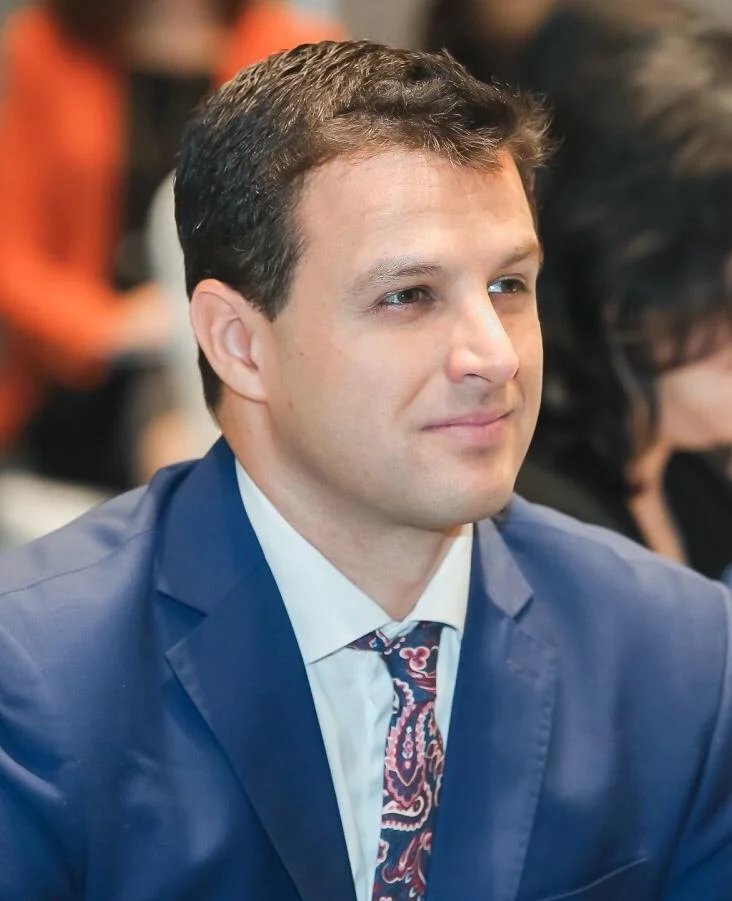
– Is Lisbon an inevitability for a Portuguese lawyer in Macau, or part of a broader Lusophone puzzle?
José Lupi – In our case, it is part of a puzzle. I think it is inevitable to be associated with firms outside Macau, given the size of the market and Macau’s characteristics as a platform. In our case, Lisbon includes a relationship with Europe and Lusophone Africa, with Angola and Mozambique as fundamental axes; and, in the case of Morais Leitão, also with Timor-Leste. We believe that, with China’s Belt and Road Initiative and the Greater Bay Area project, we will witness a new wave of investment into these jurisdictions. Angola and Mozambique, because of their characteristics and scale, but also their stage of development, are obviously key markets. Timor-Leste presents interesting opportunities given its mining potential, oil, gas, and geographical position in Southeast Asia. Closer to home, so to speak.
– A Lusophone network…
J.L. – Morais Leitão is headquartered in Lisbon, but it is no longer simply a Portuguese law firm; it is an international operation. For us, it is the natural and obvious partner.
– Was it easy to explain where Macau fits into that puzzle?
J.L. – In the case of Morais Leitão, yes, because of its international experience and Asia-Pacific exposure. They have an office in Singapore, a presence in Timor-Leste, experience with Chinese transactions in Portugal, and even a track record in the Macau and Hong Kong markets.
– Does the partnership involve specific sectors?
J.L. – There are sectors we believe are absolutely fundamental to the partnership, particularly within the context of major Chinese outbound investment areas. We are talking about oil and gas, new energy, mining, technology, big health, and, to some extent, immigration. As far as we are concerned, not only in the Macau market, but also through our links with Chinese law firms, this allows us to provide added value in all operations moving from China into these countries, with our local team working very closely with the Singapore team. In essence, combining my own professional background in international firms in China and Beijing, the team based in Singapore, and Morais Leitão’s experience with other international firms, allows us to combine local and regional China expertise with Morais Leitão’s international expertise, both in Portugal and across Portuguese-speaking countries.
– Do Chinese companies recognise that know-how in Macau?
J.L. – I believe so. The great challenge, especially when we talk about transactions in the legal sector, is understanding how to add value without making the cost prohibitive for the client. A joint proposal involving a Beijing or Shanghai law firm handling an investment in Angola, suddenly with a third party such as Macau or Portugal involved, must add value without undermining the competitiveness of the proposal. China’s legal market is highly developed; lawyers all speak English and most have experience working in the United States or Europe. Therefore, the absolute need for this mediating element probably does not exist.
It is also an investment by Morais Leitão in Macau, at a moment we believe is important for the objectives surrounding the development of the platform, including within the Greater Bay Area. The more there is, the better
– So why would they turn to Macau?
J.L. – There is no absolute need. Obviously, it adds value to us, to Macau and to Morais Leitão. The question is how we add value to the client without affecting the competitiveness of our proposal.
Read also: Portugal: President Warns of Risks in the Revision of the Nationality Law
– It always comes at an extra cost…
J.L. – Of course; that is why we need to add value, and I believe it is possible — we have experience proving that. Obviously, China’s market is far more competitive than Macau’s; there are many more lawyers, many more firms, and they are all highly capable. It is a challenge, but we believe it will work.
– A law firm in China can easily have 1,000 lawyers…
J.L. – Or 1,500! Especially those involved in international business. For Macau, being associated with a firm with Morais Leitão’s history and quality is excellent at every level, including for talent training.
– In Lusophone markets, the focus is always on attracting Chinese capital. Is it possible for Macau also to become a bridge for foreign capital into the Greater Bay Area?
J.L. – Without a doubt; there are already practical examples we can observe, but the potential is much greater than what has been done so far. We believe this partnership comes at the right moment, given the international geopolitical context, the country’s political environment, and also the local situation. I believe in that, although it is important to note that the expected investment flow is more likely to go from China to Portuguese-speaking countries, given the characteristics of the countries involved.
– In which sectors is there greater interest in that inbound investment?
J.L. – Technology, healthcare, financial services… there is a great deal of know-how within leading companies in those sectors that could indeed invest in the Greater Bay Area; and Morais Leitão also has a track record of relationships with such companies.
Read also: China passes social welfare law as part of a strategy to boost consumption
– What is Macau’s competitive advantage?
J.L. – Geography is fundamental; we are three and a half hours by plane from Beijing, two hours from Shanghai, one hour from Hong Kong, two hours from Guangzhou… On the other hand, the characteristics of Macau’s legal system are obvious, very similar to those of the markets in question; and Macau’s tax attractiveness is also important. These are natural characteristics that give Macau an advantage in this role. When we talk about Macau — and this is now from a personal perspective — we always think about China. And indeed, Macau is a privileged base from which to build that bridge.
– Isn’t there a need for more qualified people?
J.L. – I think so; and training as well, as I mentioned earlier. It is important that there is investment in Macau; and this partnership, in one way or another, is also an investment by Morais Leitão in Macau, at a moment we believe is important for the objectives surrounding the development of the platform, including within the Greater Bay Area. The more there is, the better.
