

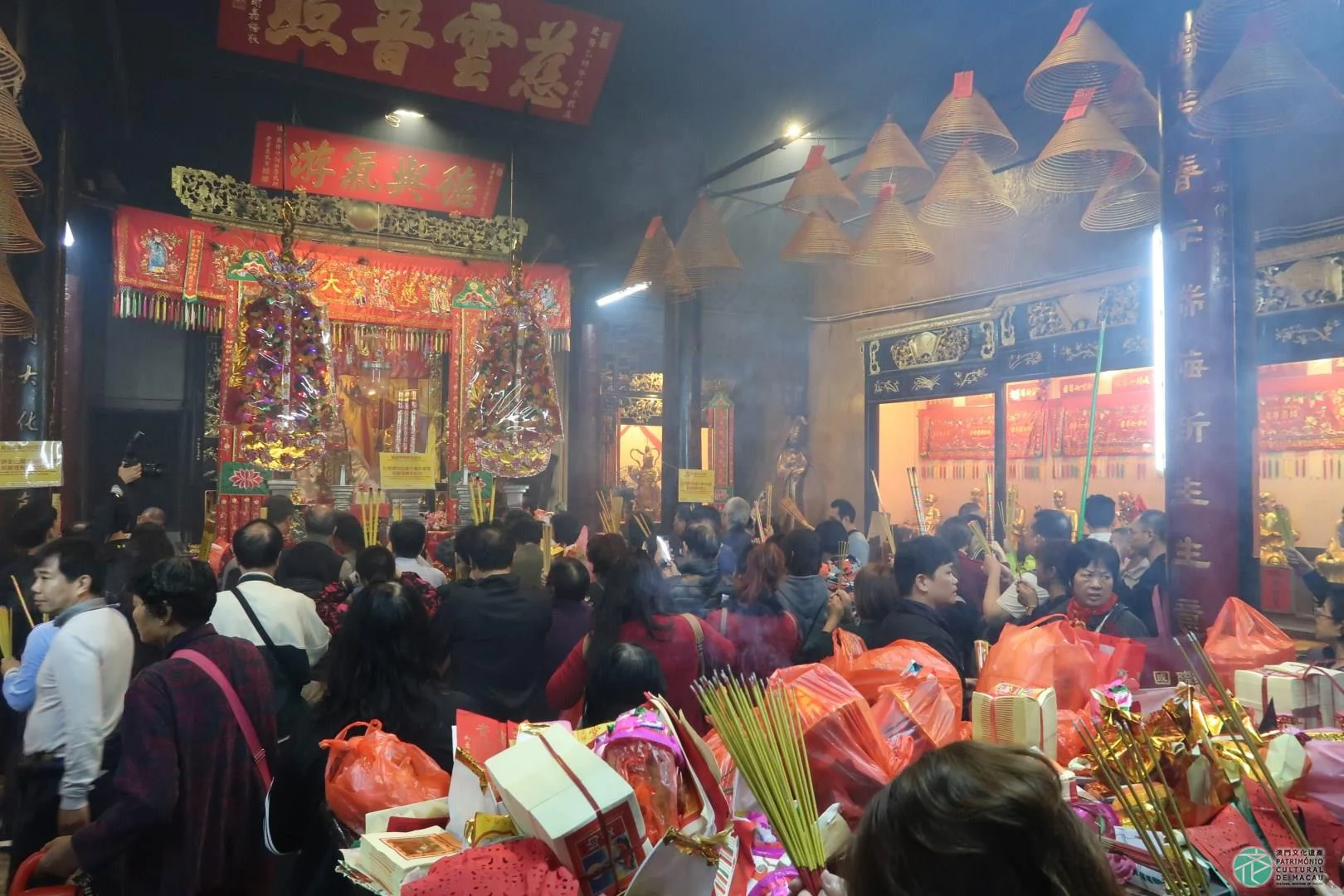
In the wake of the Lunar New Year festivities, as the city settles into the rhythm of the coming months, thousands in Macau turn their attention to a time-honoured tradition. Enter Kun Iam Hoi Fu (觀音開庫, or Opening of Kun Iam’s Treasury), an annual event where historic temples become centers of profound devotion and hope.
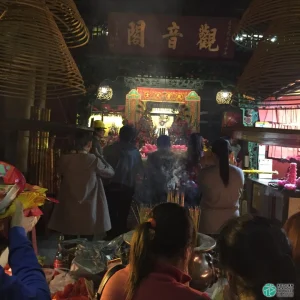
On the 26th day of the first lunar month (falling on March 14 this year), devotees flock to shrines dedicated to Kun Iam—the Bodhisattva of Compassion—to symbolically “borrow” prosperity, health, and peace for the year ahead. But rather than a mere transactional request for wealth, the ritual is deeply rooted in community, faith, and moral obligation.
The Origins of the Open Vault
How did this tradition begin? According to one of the many widespread folklores, 500 Arhats once descended from heaven disguised as monks to test Kun Iam’s compassion. In response, she opened her treasury to offer them a grand feast, distributing the remaining food and wealth to the people. Today, this act of divine generosity translates into a ritual that offers spiritual comfort and a sense of societal support.
Historic Temples of Devotion
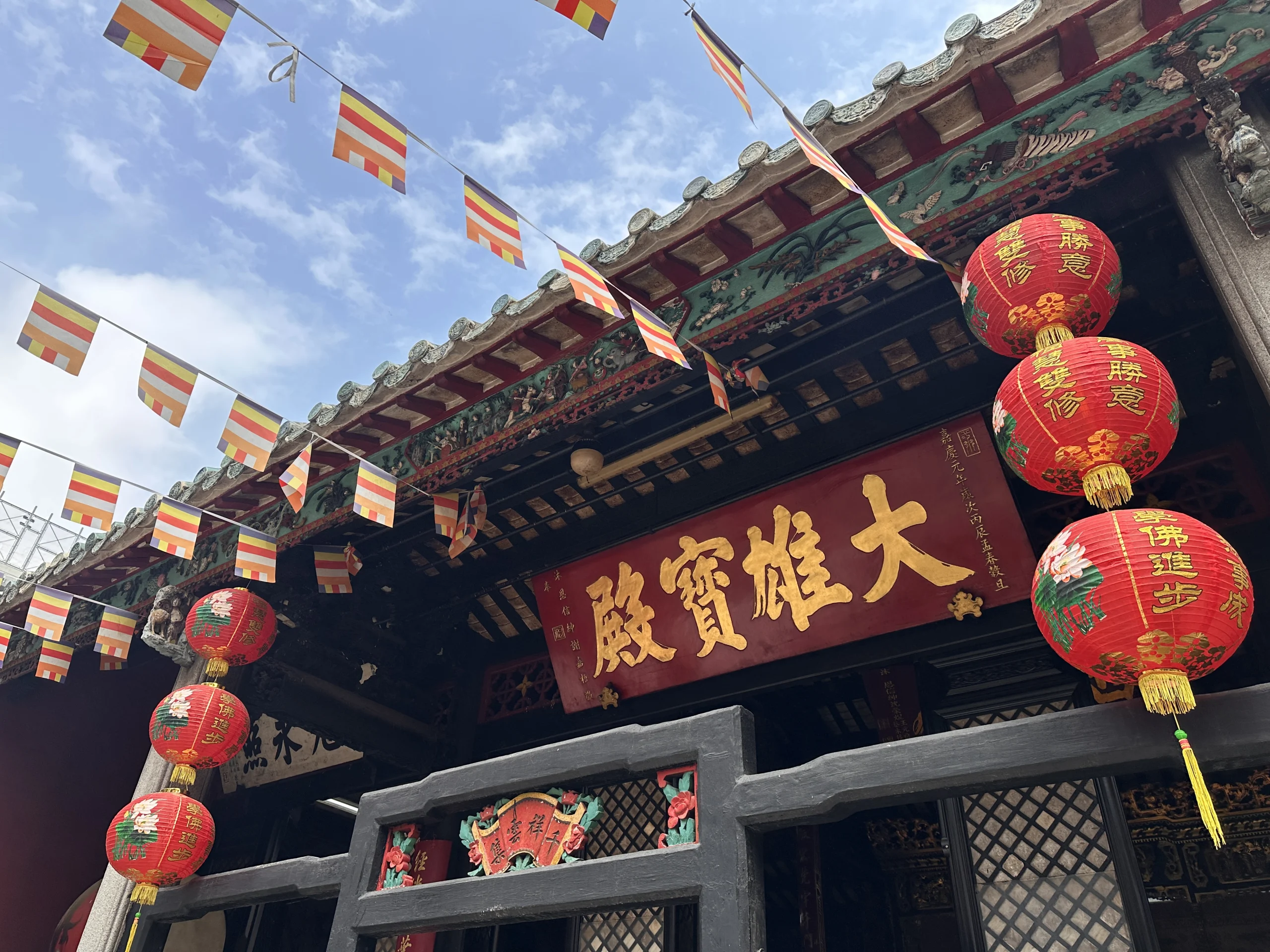
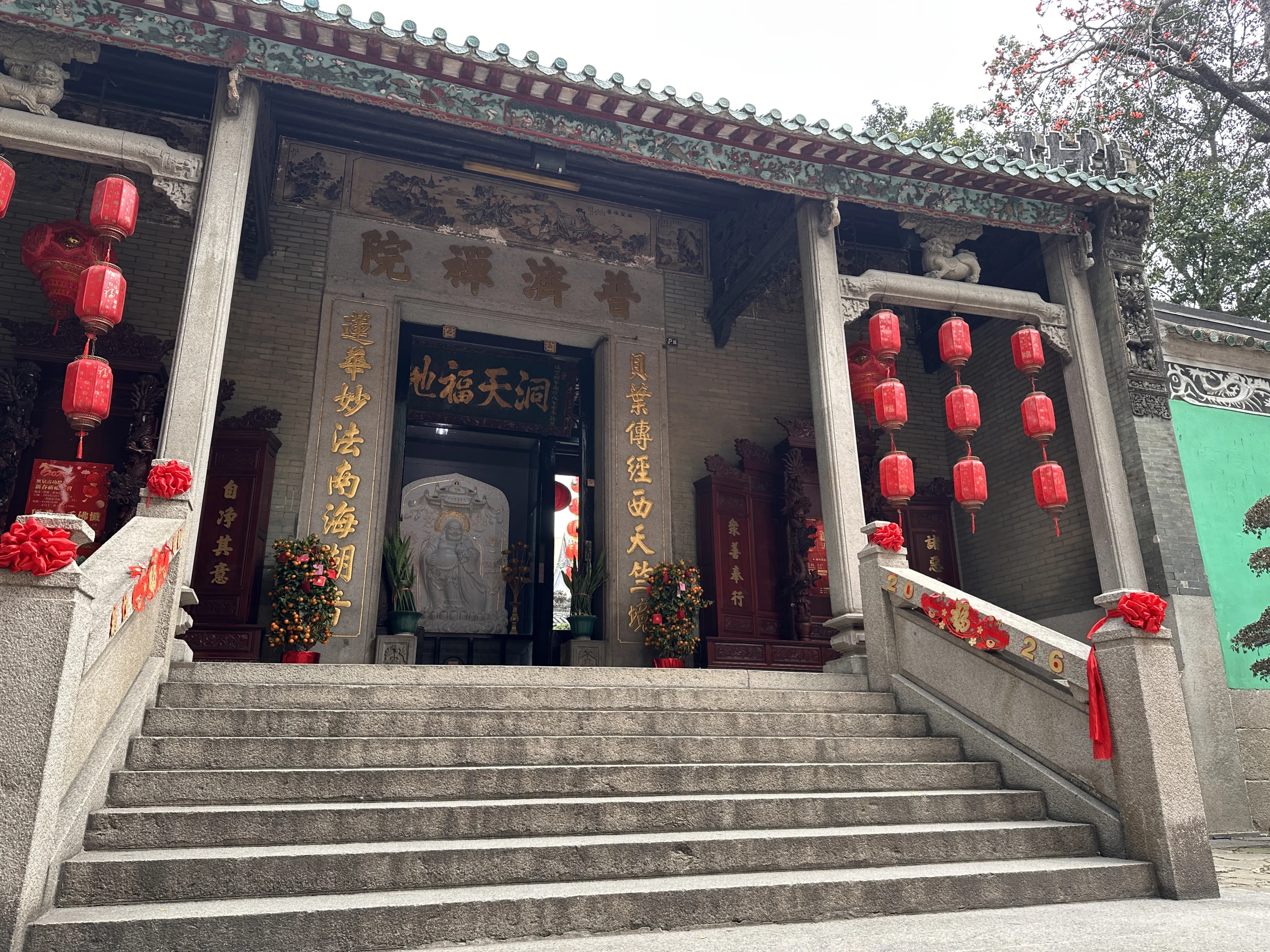
You can participate in this officially safeguarded tradition at several historic temples across the city, each carrying its own unique heritage:
- Kun Iam Temple (普濟禪院): One of Macau’s three oldest temples, featuring a Ming-dynasty iron bell dating back to 1632. It carries immense historical weight, also serving as the site where the Sino-American Treaty of Mong-Ha was signed.
- Kun Iam Tchai (觀音仔廟): A serene neighborhood temple on Avenida do Coronel Mesquita. Local lore suggests a humble shepherd founded this spot in the 1820s. Above the entrance, a wooden plaque advocates for “pacific co-existence between Chinese and foreigners,” reflecting Macau’s long-standing history of cultural inclusion.
- A-Ma Temple Guanyin Pavilion (媽閣廟觀音閣): For those who wish to combine their spiritual observance with a visit to a UNESCO World Heritage site, this pavilion tucked inside the famous A-Ma Temple is a prominent and deeply revered location.
The Ritual of Borrowing and Repaying
Ready to partake? The process is deeply personal, steeped in respect, and requires no digital paperwork—just sincerity and incense:
Step 1: Devotion and Patience. Devotees queue up early, offerings in hand. Punctuality and patience are the first tests of sincerity as the community gathers in quiet anticipation.
Step 2: Making the Petition. Kneeling before the altar, individuals silently state their hopes—whether it’s financial stability, glowing health, or family harmony. The underlying principle is to seek blessings for honest endeavors and a peaceful life.
Step 3: Receiving the Blessing. Devotees draw a red packet (known as “Treasury Money” or 庫錢) from the “Gold and Silver Treasury” (金銀庫). Inside, one might find a symbolic amount or an auspicious phrase. This token is kept safely in a wallet throughout the year as a reminder of the Bodhisattva’s grace.
Step 4: The Cycle of Gratitude. The cultural core of this ritual lies in the concept of “what is borrowed must be repaid” (有借有還). Devotees are expected to return at the end of the year to “repay the treasury” (還庫) in a gesture of thanksgiving before the vault opens again. Tradition strongly encourages maintaining this cycle of borrowing and repaying for at least three consecutive years, symbolizing sustained gratitude rather than a fleeting request.
A Heritage of Gratitude
In 2020, Macau officially inscribed this ritual on its Inventory of Intangible Cultural Heritage.
In a fast-paced modern era, Kun Iam Hoi Fu offers a highly refreshing counterpoint. The temples aren’t promising miraculous lottery wins. Instead, they’re offering a moment to reflect on how we chase—and share—our success.
Prosperity here isn’t just about hoarding wealth; it’s about circulation, moral obligation, and gratitude. So, the next time you reflect on your goals for the year, remember the centuries-old temples in Macau where the vault opens once a year. The true value of the “borrowed” prosperity lies in the good deeds and thankfulness paid forward.
