

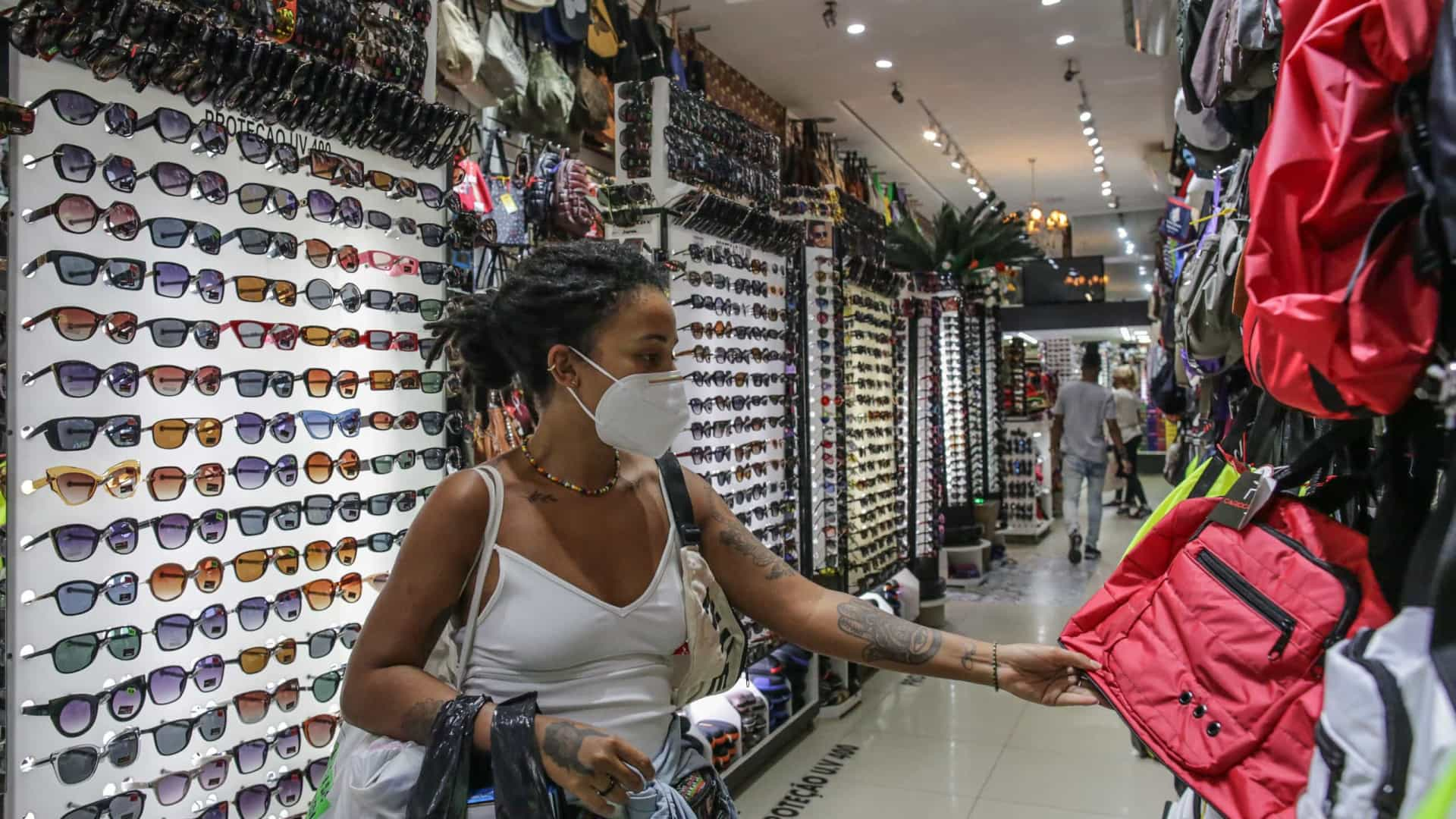
One out of four people doesn’t pay all bills this month
With a tight budget, one out of every four people in the country can’t pay all the bills at the end of the month. The finding is from a survey conducted by the National Confederation of Industry (CNI) in partnership with FSB Research Institute, which shows a reduction in leisure, clothing and travel expenses.
Read also: Inflation rate in June is 8.6 percent in the euro zone and 9.6 percent in the EU
According to the survey, getting out of the red is increasingly difficult. This is because only 29% of Brazilians save, while 68% are unable to save money. Despite this, 56% of those interviewed believe that their personal economic situation will be a little or a lot better by December.
The survey also showed that 64% of Brazilians have cut expenses since the beginning of the year and 20% have taken out a loan or incurred debts in the last 12 months. In relation to specific situations, 34% of those interviewed had delayed electricity or water bills, 19% had stopped paying their health insurance plan, and 16% had to sell some asset to pay off debts.
Other habits were affected by inflation. According to the survey, 45% of Brazilians stopped eating out, 43% reduced spending on public transportation and 40% stopped buying some foods.
Read also: Inflation leads portuguese consumers to rule out sustainability
Among those who reduced consumption, 61% believe in the improvement of personal finances in the coming months. The optimism, however, will not be reflected in higher consumption. Only 14% of the population intend to increase spending by the end of the year.
Bargain
Among the items that weighed most heavily on the pockets of those interviewed in the last six months, cooking gas leads the ranking, with 68% of quotes. Next come rice and beans (64%), electricity bill (62%), red meat (61%) and fruits, vegetables (59%). Fuel comes in sixth place, with 57%. In the case of food, the perception of higher prices for items such as rice, beans and red meat increased more than 10 percentage points in relation to the previous survey, in April.
With rising prices, the population is resorting to an old habit: bargaining. According to the survey, 68% of those interviewed admitted having tried to negotiate a lower price before making a purchase this year. A total of 51% split the purchase into credit card installments, and 31% admitted to “buying on credit”. High interest rates are making credit less attractive. Less than 15% of Brazilians resorted to overdraft facilities, payroll loans, or borrowing from others.
Also read: Brazilian governors have failed to keep more than half of their promises
According to the president of CNI, Robson Andrade, the aftermath of the covid-19 pandemic and the war in Ukraine have compromised the country’s economic recovery. The acceleration of inflation led to high interest rates, which has discouraged consumption and investments. On the other hand, says Andrade, unemployment is falling, and the population’s average income is gradually recovering, which gives some hope for the coming months.
The survey, commissioned by CNI to the FSB Research Institute, is the second conducted this year focusing on the economic situation and consumption habits. From July 23 to 26, 2,008 citizens in all Brazilian states were interviewed in person.
