

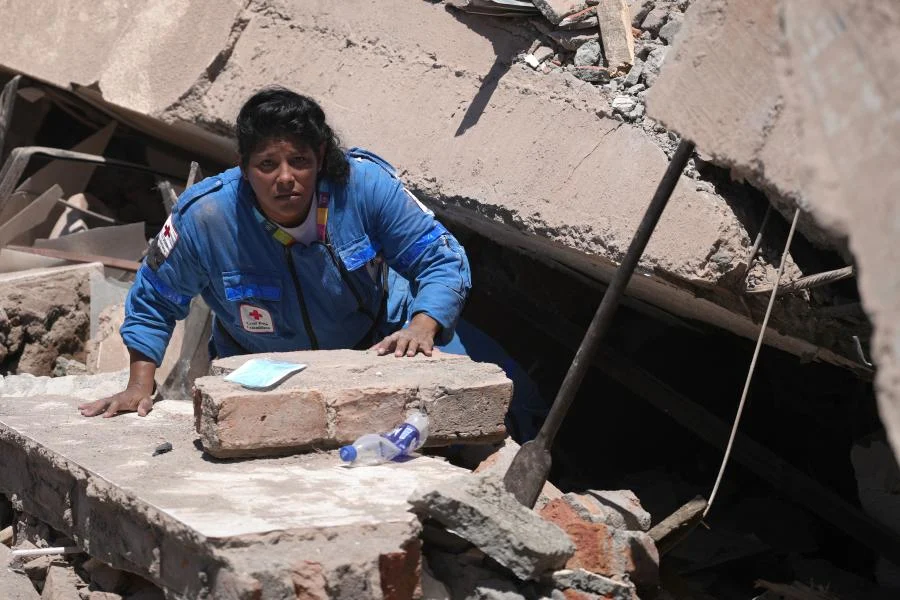
A 7.4-magnitude earthquake in western Colombia has resulted in more than 250 deaths, highlighting stark disparities in emergency response capabilities between the country’s impoverished periphery and its wealthier regions.
The seismic event struck just three days after newly inaugurated President Abelardo de la Espriella assumed office. While the depth of the quake lessened its potential destruction compared to recent regional seismic events, emergency operations in the western state of Chocó faced immediate hurdles due to pre-existing economic deprivation and limited municipal resources.
Search and rescue efforts in Quibdó, the state capital, struggled with a shortage of heavy machinery and healthcare infrastructure, leaving residents in the predominantly Afro-Colombian and indigenous region feeling isolated from federal support.
Read more about this topic: Colombia mobilized emergency teams within an hour of its earthquake. Venezuela’s response to its own quake took far longer. Here’s why (with video)
In contrast, recovery operations proceeded more rapidly in wealthier neighboring areas such as Valle del Cauca, where specialized rescue teams from Bogotá were quickly deployed to Cali and surrounding cities. Urban centers with established transport links received faster overland aid, allowing local authorities to organize search efforts more effectively.
To manage the crisis and fund recovery efforts, President de la Espriella declared an economic emergency, granting the executive branch authority to allocate federal funds directly. However, the national disaster response agency faces financial constraints following recent corruption scandals, prompting comparisons to the country’s major 1999 earthquake disaster.
The timing of the disaster has forced political adjustments for the incoming administration. The decision to forgo standard transition meetings with outgoing officials from the previous administration has left federal agencies with operational information gaps, relying heavily on local municipal structures to execute relief measures across affected departments.
