

President Donald Trump’s efforts to resolve the conflict with Iran have shifted back toward intense economic pressure, relying on stringent sanctions and a U.S. naval blockade as diplomatic breakthroughs remain elusive and limited military strikes fail to force a resolution.
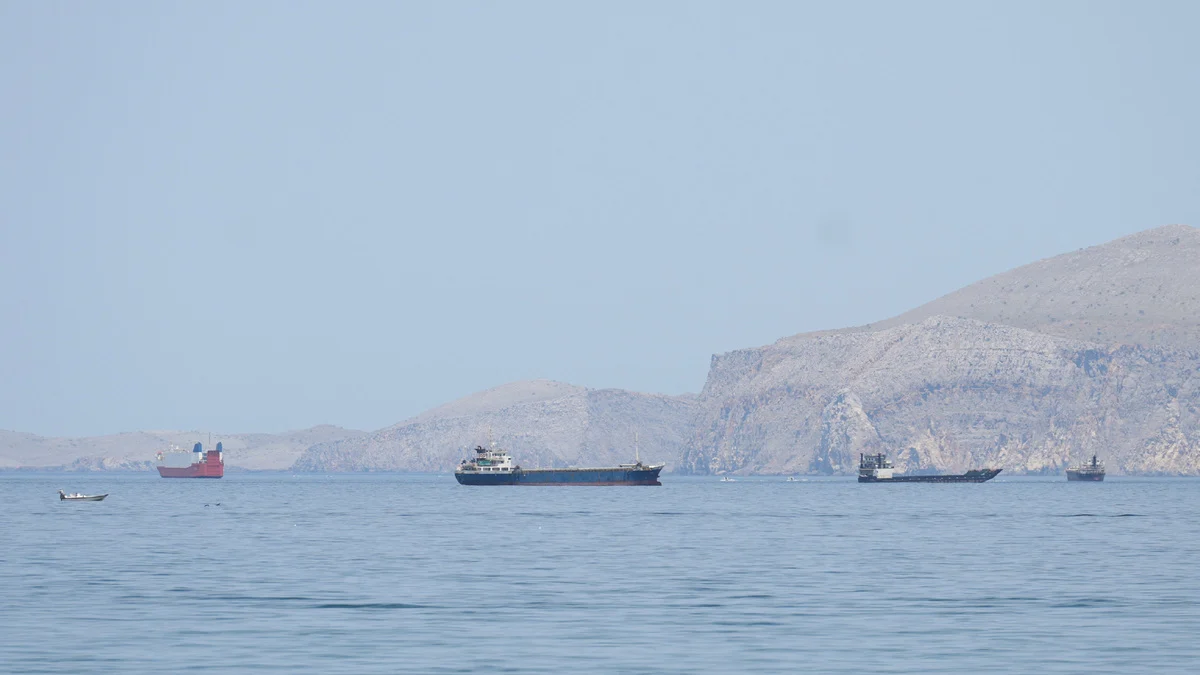
The administration’s renewed focus on economic pressure aims to force Tehran back to negotiations and reopen the vital Strait of Hormuz. Through its enforce-and-redirect campaign in the Arabian Sea, the U.S. military reports having redirected nearly sixty commercial vessels, disabling several others that attempted to bypass the blockade.
Despite these measures and Pentagon estimates citing billions in lost energy revenue for Tehran, Iranian forces continue to disrupt maritime transit using drones and targeted strikes, keeping commercial shipping through the strait well below prewar levels.
Regional strategy analysts express skepticism over whether the maximum-pressure economic campaign will produce diplomatic concessions from the Iranian regime.
Read more about this topic: Trump says US controls Hormuz despite Iran’s threats (with video)
While the White House points to severe internal inflation, declining energy revenues, and currency pressures as evidence of the strategy’s impact, security experts note that non-democratic political structures and state apparatuses can often absorb economic strain longer than open political systems under election pressure.
Furthermore, analysts caution that relying solely on economic containment without clear contingency measures or long-term regional force commitments risks prolonged instability across Gulf shipping lanes.
The economic standoff continues to ripple through global energy markets as both nations maintain opposing positions over maritime transit rights. While U.S. Central Command maintains a substantial naval presence to enforce the blockade, the Iranian regime shows little indication of altering its security terms, leaving the region locked in a persistent economic and military stalemate.
