

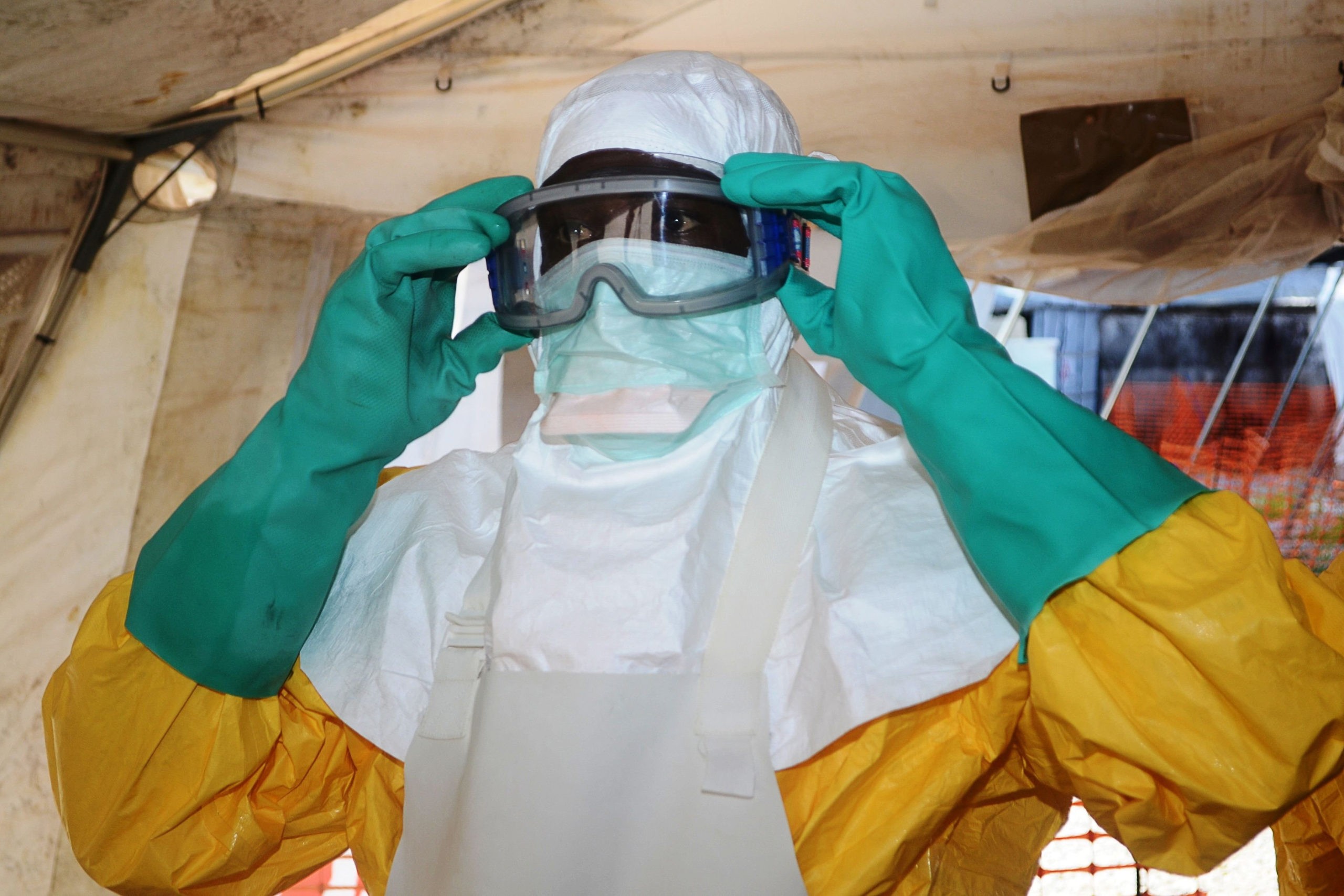
The European Center for Disease Prevention and Control reinforced its support today in the Democratic Republic of the Congo and Uganda due to the worsening Ebola outbreak, considering the risk to the European population to be “very low.”
“As the Ebola disease outbreak in the Democratic Republic of the Congo [DRC] and Uganda evolves rapidly, the ECDC [European Centre for Disease Prevention and Control] is strengthening its support on the ground, while continuing to emphasize that the risk of infection for the general population in Europe remains very low.”
According to the European center, the current outbreak “is a cause for serious concern and, in many respects, is not comparable to previous Ebola outbreaks.”
“The extremely complex situation in the affected region makes the adoption of effective control measures considerably more difficult,” the ECDC emphasizes.
Read more about this topic: Macau imposes 21-day monitoring on travelers from Ebola-affected regions
According to the European agency, the scenario is worsened by the fact that the outbreak is caused by the Bundibugyo virus, for which there is currently no approved vaccine nor specific treatment.
Despite the worsening of the situation, the ECDC reiterates that the probability of infection for European citizens residing in or traveling to the affected areas “remains low,” provided that the recommended precautionary measures are followed.
The ECDC indicated that it is working with international partners to reinforce the presence of the European health emergency team (EU Health Task Force) in the DRC and Uganda, with the aim of gathering information directly on the ground and supporting local authorities.
The community agency said it is essential to reinforce the screening of passengers departing from the affected areas to identify travelers with symptoms and reduce the risk of international spread of the disease.
Read more about this topic: Hong Kong strengthens screening from Africa amid Ebola outbreak (with video)
Among the announced measures are support for European Union and European Economic Area countries in preparing to quickly detect and isolate imported cases, the daily publication of epidemiological updates, and the development of scientific guidelines on infection prevention and control.
The ECDC also revealed that it is collaborating with the aviation sector to standardize procedures for managing suspected cases during international flights and is developing studies on the probability of importing cases to Europe.
According to the most recent data, more than 900 suspected cases of Ebola were recorded in the DRC up until May 24, while Uganda confirmed seven cases.
The World Health Organization revised the health risk for the DRC, which it now considers “very high,” as well as for a group of ten countries, namely Angola, where the risk is now “high.” For the rest of the world, the risk remains low.
