

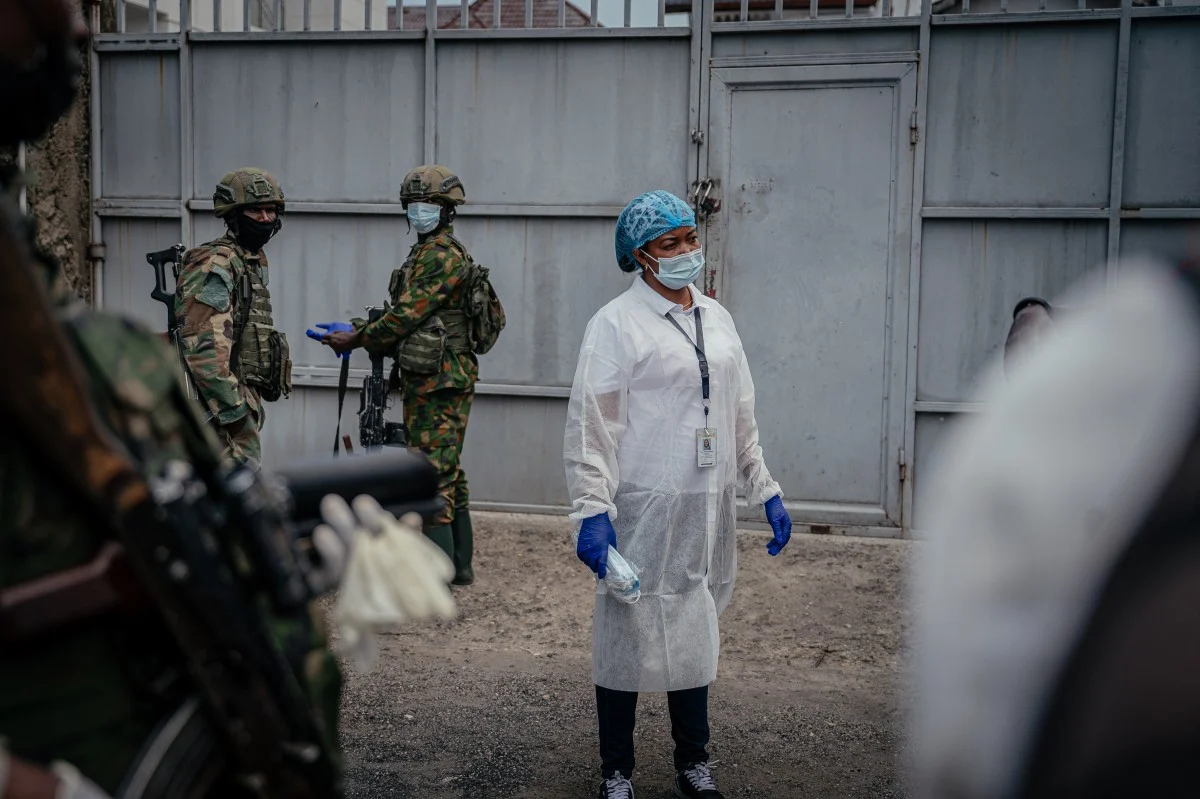
Macau health authorities have launched a strict 21-day health monitoring mandate for all incoming travelers arriving from countries identified as high-risk for the ongoing Ebola outbreak.
The sudden policy escalation follows a formal warning from the Africa Centres for Disease Control and Prevention, which added Angola to a high-risk watchlist that already includes the Democratic Republic of the Congo, Uganda, South Sudan, Rwanda, Kenya, Tanzania, Ethiopia, Republic of the Congo, Burundi, Central African Republic, and Zambia.
Under the new directive issued by the Macau Health Bureau, anyone who has visited these nations must complete an intensive three-week self-health management period starting immediately upon their arrival in the territory.
The health measures target the Bundibugyo strain of the Ebola virus, a highly contagious pathogen causing severe hemorrhagic fever with an incubation period of up to 21 days and a lethality rate reaching 50%.
Read more about this topic: Macau to strengthen screening amid Ebola outbreak (with video)
While asymptomatic travelers from the designated high-risk areas will be monitored remotely by local health officials, anyone exhibiting suspected symptoms—such as fever, fatigue, vomiting, diarrhea, or unexplained bleeding—will be immediately transferred to a public hospital for isolation and advanced testing.
The World Health Organization recently declared the outbreak a Public Health Emergency of International Concern, warning of a severe delay in case detection and an escalating death toll, though it explicitly advised against border closures.
