

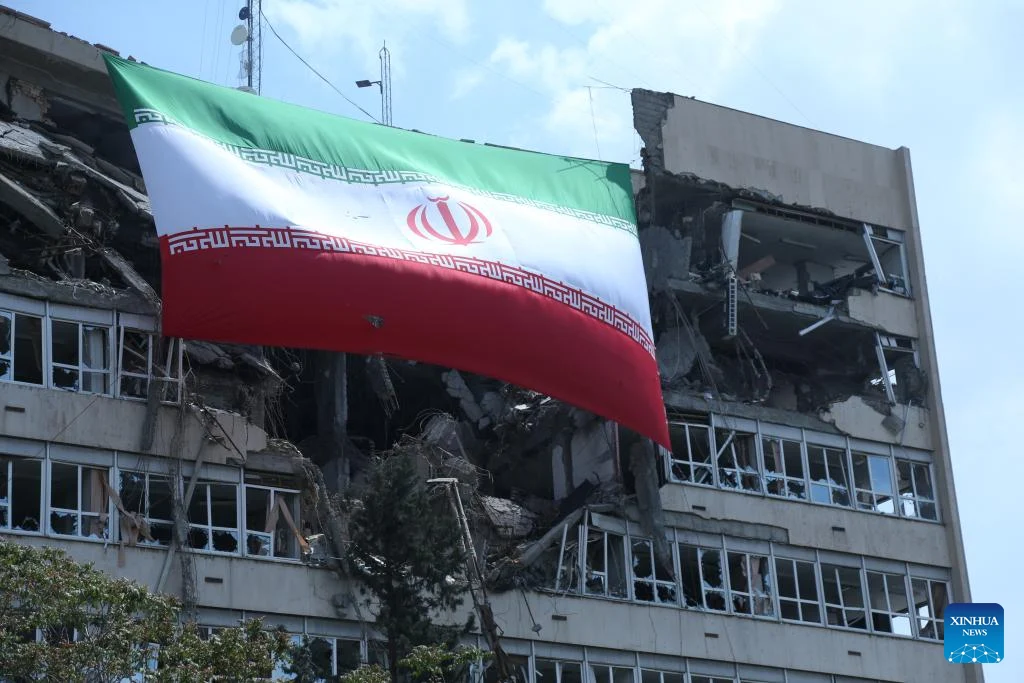
United States Armed Forces launched targeted airstrikes against military positions in southern Iran today, explicitly neutralizing active missile launch sites and naval vessels attempting to deploy mines. The operations, executed by US Central Command near the strategic port city of Bandar Abbas along the Strait of Hormuz, were justified by Washington as a critical act of self-defense designed to protect American troops from immediate threats.
Despite the heavy kinetic escalation, Central Command clarified that the military continues to operate with strategic restraint to maintain the fragile bilateral ceasefire that has loosely bound both nations since April 8.
While Iranian state media confirmed that local officials are investigating several major explosions near the southern naval base, Tehran has yet to launch a formal military retaliation.
The sudden military strikes complicate highly sensitive, ongoing peace negotiations being brokered by Qatar to formally conclude the wider regional war that erupted on February 28 following a massive, joint US-Israeli aerial offensive.
Read more about this topic: Iran War: Rubio says Hormuz will be reopened &”one way or another”(with video)
US Secretary of State Marco Rubio downplayed fears that the strikes would derail a diplomatic breakthrough, noting from an official visit to India that intense discussions regarding the specific language of a preliminary memorandum of understanding are still moving forward.
Rubio reiterated that President Donald Trump remains determined to secure a high-quality deal but warned that the ongoing Iranian blockade of the Strait of Hormuz remains entirely unsustainable and unacceptable for the global economy, declaring the vital shipping lane will be reopened one way or another.
The diplomatic timeline remains highly volatile as Iranian foreign ministry spokesman Esmail Baqai countered optimistic Washington timelines by stating that while structural progress has been achieved on a large portion of the text, a final signing is by no means imminent.
Compounding the diplomatic gridlock, US intelligence agencies believe Iran’s Supreme Leader Mojtaba Khamenei remains hidden in an undisclosed location following injuries sustained in an earlier Israeli strike, creating immense communication bottlenecks with his negotiating envoys.
Read more about this topic: Iran War: Tehran denies imminent agreement with US
The current framework under review reportedly proposes a 60-day ceasefire extension and the unhindered reopening of the shipping straits, while leaving highly contentious issues—such as comprehensive economic sanctions relief, the unfreezing of Iranian state funds, and the verified destruction or transfer of Iran’s 440-kilogram stockpile of 60% enriched uranium—to a subsequent phase of international negotiations.
