

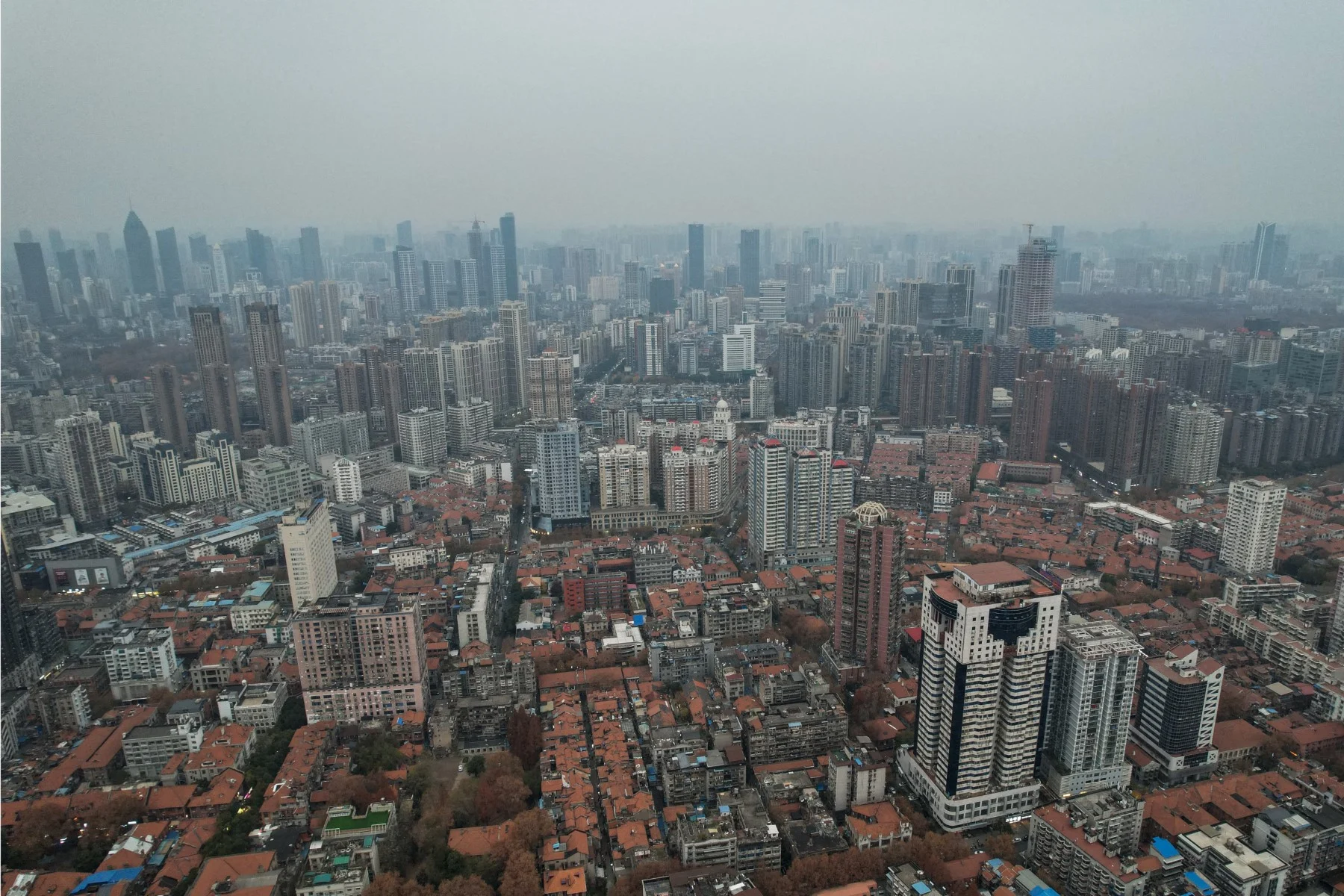
The Chinese government has released major new guidelines aimed at expanding internal migrants’ access to basic public services in their cities of residence. The policy effectively eases the country’s rigid decades-old household registration framework, which has historically blocked non-local workers from accessing social safety nets outside their home regions.
The policy document, published by the State Council, proposes that the massive population currently living without local household registration—locally known as the hukou system—should gradually receive public benefits comparable to registered urban residents. According to the executive body, the sweeping reform is intended to “improve social equality” and “unlock internal consumption potential.”
Key structural adjustments outlined in the directive include:
-
Compulsory Education: Expanding public school enrollment and admission guarantees for the children of migrant workers in the cities where they currently live.
Read more: Trump postpones AI order fearing damage to edge against China
-
Social Housing: Including non-registered migrant families with stable employment in local public rental housing and affordable accommodation programs.
-
Social Security: Completely removing hukou restrictions on workplace social insurance contributions, facilitating seamless local coverage.
-
Healthcare & Care Services: Improving local medical insurance access and progressively incorporating the non-registered population into municipal childcare, eldercare, and social assistance infrastructure.
Furthermore, the State Council has instructed municipal agencies to overhaul urban planning. Cities must now project the development of future schools, hospitals, and public housing based on the actual size of their resident population, rather than relying solely on the number of locally registered hukou holders.
First implemented during the Mao Zedong era, the hukou system has historically functioned as an internal passport. By tethering vital social benefits to a citizen’s hereditary family registration site, it created an immense divide between rural and urban populations. In practice, millions of migrant workers have lived and labored in major economic hubs for decades without any legal access to local public schools, healthcare facilities, pensions, or subsidized housing.
Read more: China sentences former Defense Ministers to death (with videos)
Recent data highlights the massive scope of this demographic challenge, indicating that China’s domestic migrant worker population has surpassed 357 million people.
Henry Gao, a prominent analyst at the Center for International Governance Innovation, observed that the directive aims to “partially decouple” social welfare from hukou status without formally abolishing the legal system altogether.
Writing on the social media platform X, Gao noted that the reform represents a significant shift in one of the core principles of Chinese domestic governance: determining basic public service eligibility based on where an individual actually resides, rather than their historical family registration spot.
Gao also highlighted the macroeconomic strategy driving the decision. Chinese authorities have long been trying to stimulate sluggish domestic demand, but migrant workers traditionally maintain “excessive” precautionary savings.
Read more: China announces crackdown on illegal cross-border brokerages
This high savings rate stems directly from systemic anxieties over whether their children will be allowed to attend local schools, whether they can access municipal healthcare during emergencies, or if they will be forced to return to rural villages upon retirement.
While China has incrementally eased hukou rules over recent years—particularly within small and medium-sized cities regarding marriage registration, social security, and property purchases—the nation’s megacities have vigorously maintained high entry barriers.
However, Gao warned that this latest policy push may be a case of “too little, too late.” He cautioned that the reform’s success hinges entirely on implementation; local municipal governments, currently crippled by a prolonged real estate crisis and massive debt burdens, may struggle to fund this ambitious expansion of public services unless Beijing provides direct financial backing.
