

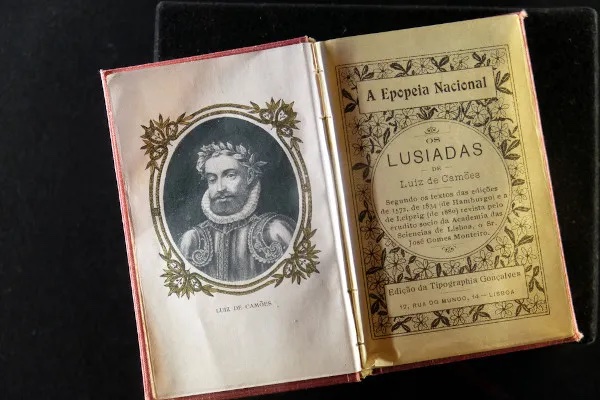
The origin of the observance is directly linked to the death of Luís de Camões, who died on June 10, 1580. Author of Os Lusíadas, Camões gradually became the most important figure in the Portuguese language and a symbol of national identity. His epic work, centered on the Age of Discoveries and the deeds of Portuguese navigators, helped shape a foundational narrative of the country’s collective memory.
Public commemorations of this date gained prominence in the late 19th century, during a period of cultural and nationalist affirmation. In 1880, the tricentennial of Camões’ death was marked by major celebrations in Lisbon, reinforcing his symbolic centrality. However, June 10 only became an official national holiday much later.
It was during the democratic period that the date acquired its current designation and broader meaning. In 1978, the Portuguese state officially established June 10 as the Day of Portugal and of the Portuguese Communities, introducing a significant shift: the celebration was no longer limited to Camões but expanded to include recognition of Portuguese communities around the world.
This evolution reflects the country’s transformation throughout the 20th century, marked by large-scale emigration and the formation of Portuguese communities across several continents. Today, millions of Portuguese citizens and descendants live outside national territory, giving the date a transnational dimension.

Luís Vaz de Camões
Read more: One tongue, four continents: the global reach of Portuguese
Official June 10 celebrations are held under the Presidency of the Republic and traditionally take place in different cities across Portugal or, occasionally, abroad. The program includes formal ceremonies, institutional speeches, state honours awarded to distinguished citizens, and moments of national tribute.
The Armed Forces and security services also play a central role, with military parades and ceremonies that underline the institutional dimension of the State. Alongside these, cultural events, concerts, and educational initiatives aim to bring the public closer to the historical meaning of the date.
Abroad, Portuguese communities also mark June 10 with their own celebrations, reinforcing their symbolic connection to Portugal. These often include cultural, religious, and associative events that help preserve the link to the Portuguese language and traditions.
More than a commemorative date, June 10 remains an annual moment of reflection on Portugal’s historical journey, the construction of its identity, and the relationship between the country and its diaspora. Between Camões and the present, the date continues to reflect what Portugal has been, is, and aspires to be.
