

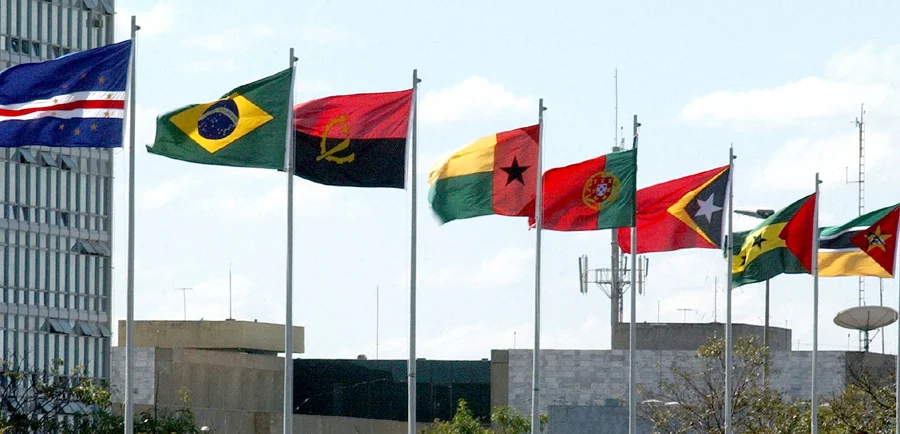
Established in 2009 by the Community of Portuguese-Speaking Countries (CPLP) and recognized globally in 2019 by UNESCO, World Portuguese Language Day is celebrated annually on May 5 to promote the Portuguese language as a shared heritage and a tool for international cooperation, highlighting its importance in the modern world.
Portuguese is spoken by more than 265 million people and can be found on every continent; it is the most widely spoken language in the Southern Hemisphere, according to UNESCO. It stands out for its global reach and growing relevance in cultural, economic, and geopolitical spheres and could even exceed 500 million speakers by the end of the century, according to the United Nations.
The Portuguese language is a key pillar of the shared cultural identity across nine countries (Angola, Brazil, Cape Verde, Guinea-Bissau, Equatorial Guinea, Mozambique, Portugal, São Tomé and Príncipe, and East Timor), in addition to holding official status in Macau, where it reflects the historical legacy of Portuguese administration and how that legacy remains embedded in institutions, place names, and the legal system.
Read more: UNESCO: Lusophone countries among prime examples of designated sites
Nowadays, in the Macau Special Administrative Region, this language is used in official documents, courts, and public administration, and is also promoted in the education system through cooperation programs with the Camões Institute, which ensures the training of bilingual professionals.
This is where the Macau Forum plays a central role as a multilateral platform for economic and trade cooperation between China and Lusophone countries, reinforcing the importance of Portuguese as a language of work, negotiation, and diplomacy. This geographic dispersion supports a diverse linguistic community, united by a common cultural heritage but distinguished by multiple local dialects.
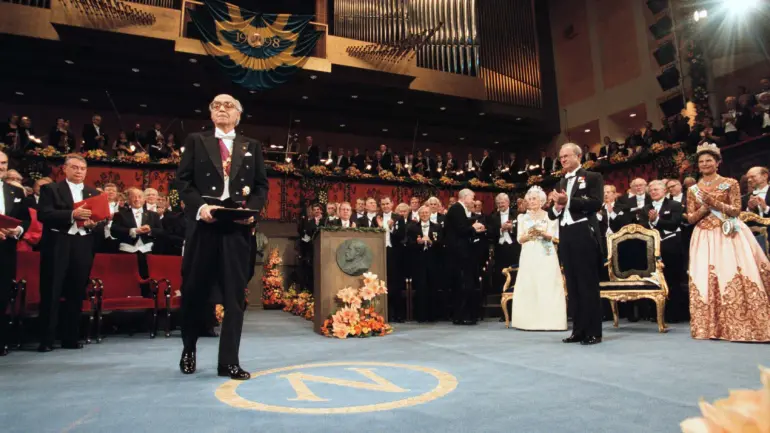

In the cultural sphere, Portuguese plays a central role in global literary and artistic production. Authors such as José Saramago, winner of the Nobel Prize in Literature, have helped put the language on the international map, while musical expressions from Portuguese-speaking countries influence global genres, from fado to Brazilian popular music and contemporary African rhythms.
Read more: Lusophone cities have “a lot to learn from China,” says UCCLA
In the fields of the arts and communication, the Portuguese language serves as a medium for the global circulation of film, television, and journalism, with a growing impact on digital platforms and creative industries. Media outlets such as RTP play a significant role in spreading the language and building a Portuguese-speaking media sphere.
Politically, Portuguese functions as a tool for diplomacy and international cooperation within the CPLP, strengthening relations between states and promoting joint initiatives in areas such as education, development, and mobility. This institutional dimension helps consolidate the language as a strategic asset in the international system.
World Portuguese Language Day is part of the global effort to promote multilingualism as an instrument of peace, sustainable development, and understanding among peoples, highlighting the role of languages in building more inclusive societies.
