

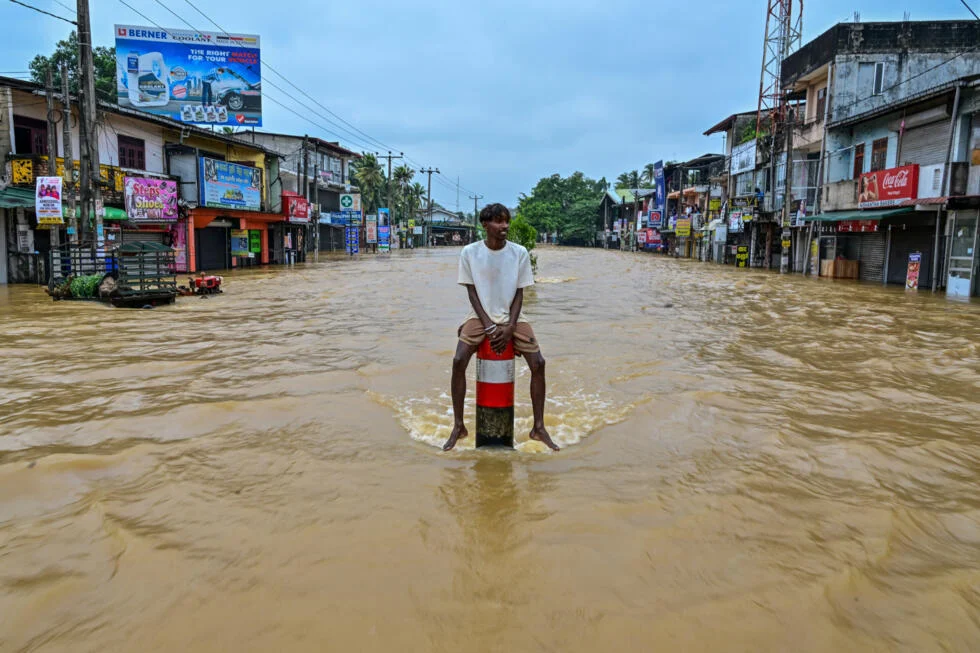
With over 200 people reported missing and approximately 20,000 homes destroyed, about 108,000 individuals have sought refuge in state-run temporary shelters, according to the Disaster Management Centre, BBC News reported. The floods occurred in the aftermath of Cyclone Ditwah, which brushed the eastern coast of the island before moving away.
As a state of emergency is declared, officials report that nearly a third of the country is without electricity and running water, exacerbating the humanitarian situation. President Anura Kumara Dissanayake characterized the event as the “most challenging natural disaster” in the nation’s history, noting that the extent of the destruction has led to staggering estimates for future reconstruction efforts.
Evacuation orders are in effect in several regions, particularly as the Kelani River’s water levels continue to rise menacingly. Eyewitness accounts paint a grim picture; one woman from central Sri Lanka recounted the tragic loss of around 15 houses in her area buried under boulders and mud, stating that none of the residents survived.
In Kandy and Badulla, the regions hardest hit, there are reports of entire communities isolated due to blocked roads from landslides. Saman Kumara, a resident of the Badulla village of Maspanna, described the dire conditions: “We can’t leave the village, and no one can come in because all roads are blocked by landslides. There is no food, and we are running out of clean water.”
