

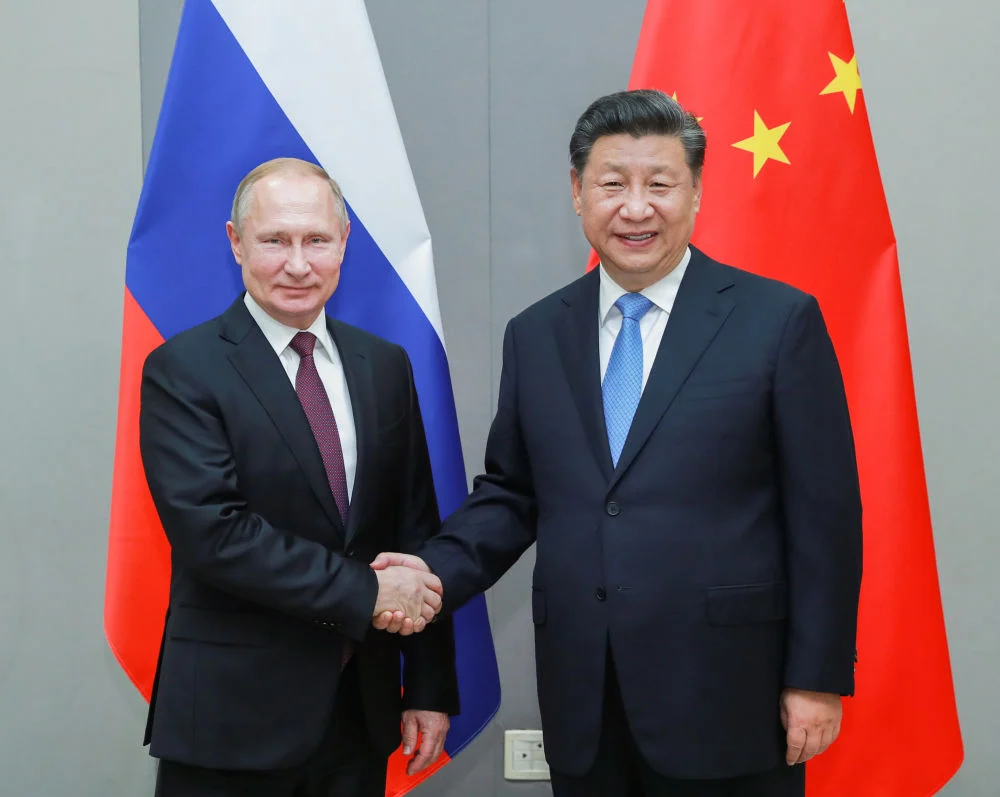
Russian President Vladimir Putin arrived in Beijing for a high-stakes two-day state visit, landing just four days after U.S. President Donald Trump concluded his own official trip to the Chinese capital. This visit marks Putin’s twenty-fifth trip to China, a milestone that underscores the deeply entrenched personal and political relationship between the Russian leader and Chinese President Xi Jinping.
Having met more than forty times throughout their respective tenures, the rapport between the two leaders far outstrips any interactions Xi has maintained with Western counterparts. The rapid succession of visits from both the American and Russian presidents highlights China’s mounting confidence on the world stage, positioning Beijing as a central axis of global diplomatic activity.
Geopolitical analysts view the timing of these back-to-back summits as a deliberate calculated signal from Beijing. Hosting the world’s two most powerful foreign leaders within a matter of days allows President Xi to visually project China’s formidable international standing.
By showcasing a robust, parallel alliance with Moscow immediately following discussions with the United States, Beijing subtly reminds Washington that it possesses powerful alternative partnerships, complicating any Western strategies aimed at isolating China economically or politically.
Read more about this topic: Ukraine: Putin proposes May 9 ceasefire during call with Trump (with video)
On the eve of his arrival, the Russian leader released a video address to the Chinese public, declaring that bilateral relations between Moscow and Beijing have reached an unprecedented level.
To illustrate this synergy, he pointed to soaring trade volumes, mutual visa-free travel policies for citizens, and the fact that commercial settlements between the two powers are now conducted almost entirely in rubles and yuan rather than the U.S. dollar.
This public show of unity coincides with major institutional milestones, as this year marks the thirtieth anniversary of the Sino-Russian strategic partnership agreement and twenty-five years since the signing of their historic treaty of good-neighborliness and friendly cooperation.
Reflecting this sentiment, Chinese Foreign Ministry spokesperson Guo Jiakun stated that the strategic guidance from both presidents would ensure that the friendship between the two nations deepens and becomes even more rooted in the hearts of their people.
Read more about this topic: Putin highlights “unprecedented” Russian-Chinese ties
Despite the celebratory diplomatic rhetoric, the summit comes at a precarious moment for the Russian president, who is navigating what may be the most challenging period of his long rule. Putin’s domestic strongman image has faced visible strain due to stagnant battlefield progress in Ukraine, while mounting economic vulnerabilities have steadily deepened Russia’s reliance on Chinese markets and supply chains.
Consequently, while the Kremlin continues to publicly frame the alliance as a partnership of equals, the underlying economic reality reveals a increasingly asymmetrical relationship with Beijing holding the upper hand.
