

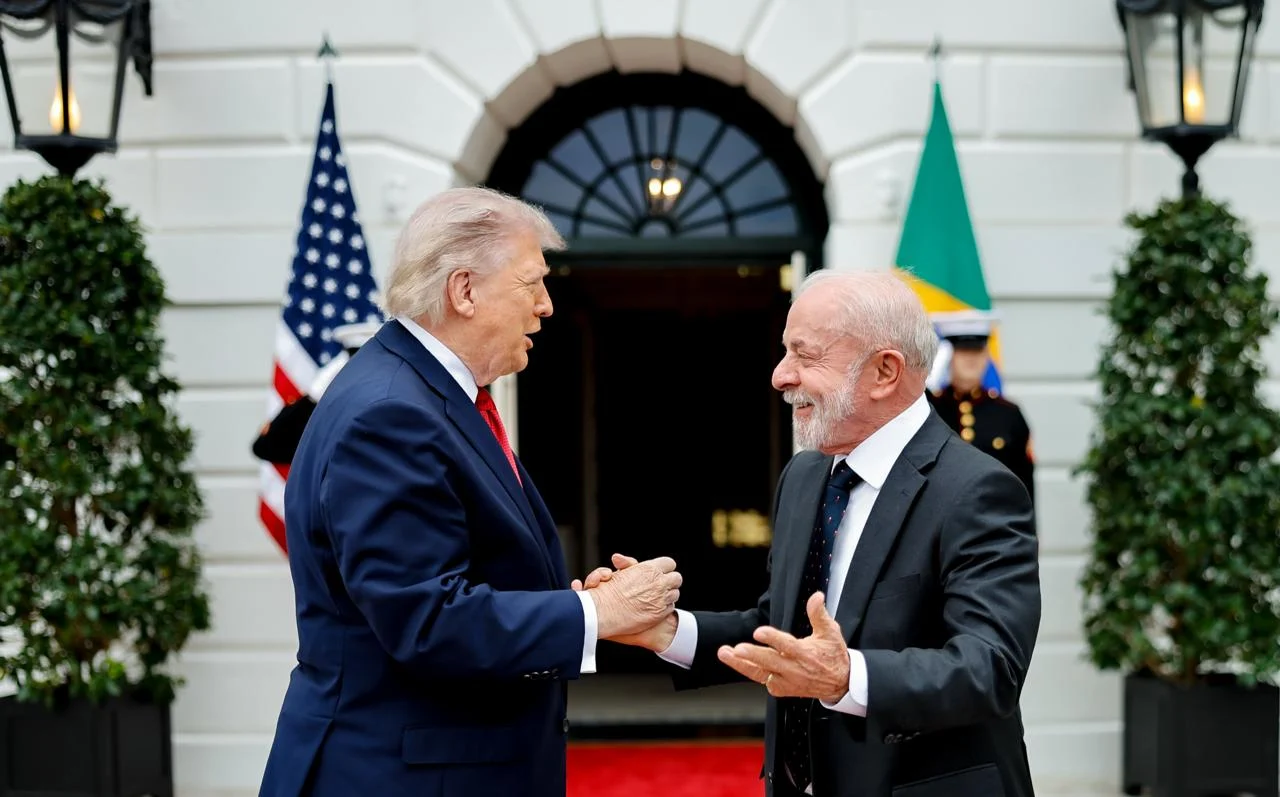
Brazilian President Luiz Inácio Lula da Silva expressed hope today that U.S. President Donald Trump will partner with Brazil to extract rare earth elements and “stop fighting” with Chinese Leader Xi Jinping.
Speaking at an event in the interior of São Paulo state, the Brazilian head of state declared that the world is currently living in “the era of rare earths” and emphasized that Brazil must leverage “intelligence and science” to achieve a major qualitative leap in mineral exploration.
“We can make Trump stop fighting with Xi Jinping and come partner with us so we can explore together here,” Lula stated. “We have no veto over anyone, and we have no preference for anyone.”
Lula firmly reinforced that while Brazil welcomes international investment, the nation will not compromise its sovereignty over its reserves of rare earths and critical minerals.
Read more about this topic: Trump praises “dynamic” Lula following 3 hour meeting (with videos)
“Chineses can come, Germans can come, the French, the Japanese, Americans—whoever wants to can come,” Lula asserted. “As long as they are aware that Brazil does not surrender its sovereignty.”
Rare earth elements—crucial for high-tech manufacturing, defense systems, and the green energy transition—were a key agenda item during a bilateral meeting between Lula and Trump two weeks ago at the White House. Washington is currently locked in an intense technological race against Beijing; China holds the world’s largest rare earth reserves, while Brazil ranks second globally.
The diplomatic push coincides with major domestic legislative movements. The Brazilian National Congress is currently debating a new regulatory framework for the sector, known as the National Policy for Critical and Strategic Minerals.
A cornerstone of the proposed legislation is a mandate requiring mining companies to generate domestic employment by establishing local industries for the processing and transformation of these minerals. The objective is to ensure Brazil shifts away from being a mere exporter of raw commodities and moves up the global value chain. The lower house (Câmara dos Deputados) approved the base text of the bill on May 6, and the legislation is now under review by the Brazilian Senate.
