

A delegation of Japanese lawmakers arrived in Beijing on Monday for high-level meetings with Chinese officials, marking the first direct legislative dialogue since bilateral relations deteriorated over recent comments regarding Taiwan.
The cross-party delegation, scheduled to stay through Thursday, includes Gaku Hashimoto, a senior lawmaker from the ruling Liberal Democratic Party (LDP) and former deputy health minister, along with representatives from the opposition Komeito party and the Centrist Reform Alliance (CRA).
Before departing Tokyo’s Haneda Airport, CRA spokesperson Shinichi Isa emphasized the necessity of restoring diplomatic touchpoints, noting that communication had completely stalled across multiple sectors.
Isa, a former diplomat at the Japanese Embassy in China, previously warned that bilateral ties had plunged to their lowest level since the normalization of diplomatic relations in 1972, pointing out that all formal communication channels between government ministries had been severed.
Read more: The White House says more than 40 countries are helping China dodge U.S. tariffs. Canada, India, Mexico, Japan and South Korea are all named (with video)
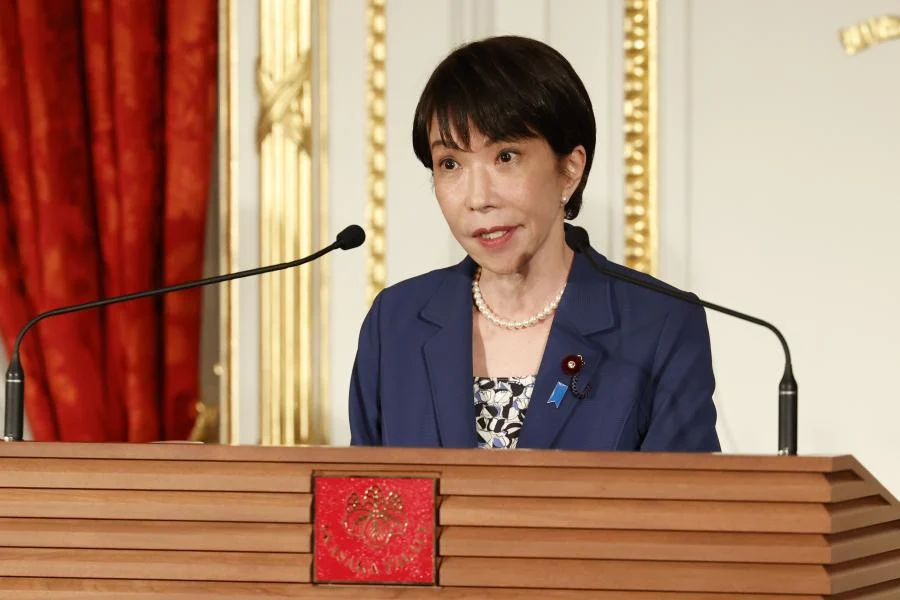
Diplomatic friction between the two nations intensified in late 2025 after Japanese Prime Minister Sanae Takaichi publicly suggested that Japanese forces could intervene in the event of a military conflict involving Taiwan.
Tensions escalated further on August 15 when Beijing lodged a formal diplomatic protest after several Japanese cabinet ministers, including Defense Minister Shinjiro Koizumi, visited Tokyo’s controversial Yasukuni Shrine to mark the anniversary of the end of World War II. Okinawa and Northern Territories Minister Hitoshi Kikawada also visited the site, while Prime Minister Takaichi sent a ritual offering.
The Shinto shrine honors 2.5 million Japanese war dead, but its inclusion of 14 Class-A war criminals convicted by an international tribunal after World War II makes it a frequent flashpoint with neighboring countries. In an official statement, China’s Foreign Ministry reiterated its strong opposition to the visits, describing Yasukuni as a site dedicated to wartime aggressors.
