

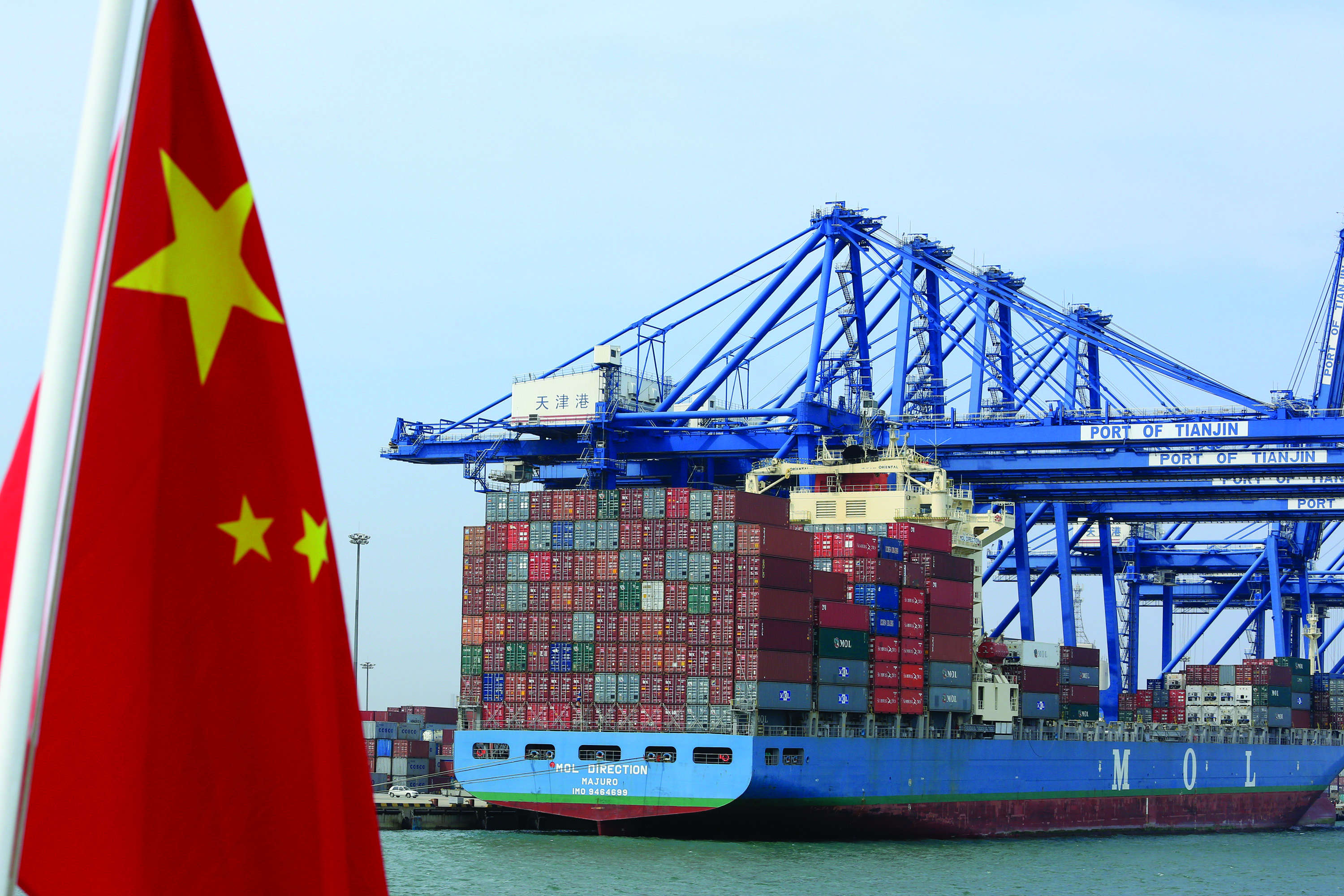
The White House released a report on Thursday alleging that more than forty countries have facilitated Chinese efforts to circumvent American tariffs by routing goods through nations subject to lower import duty rates, the BBC reports.
According to administration officials, trade partners including Canada, India, Mexico, Japan, and South Korea served as transit hubs, allowing Chinese exporters to avoid tens of billions of dollars in US trade levies.
The report highlights the practice of transshipment, where cargo is moved through intermediate countries and repackaged to obscure its origin. Federal trade advisers labeled the global network an organized effort to preserve Chinese access to the American market while undermining domestic job protections and government revenues.
The Chinese embassy in Washington rejected the allegations, stating opposition to unilateral trade measures and cautioning against policies that harm third-party trading partners.
Read more about this topic: AI: Trump imposes 15% tariff on key chip material to counter China
To combat the evasion tactics, the US government confirmed it has integrated artificial intelligence technology into customs surveillance to monitor cargo patterns and detect fraudulent documentation in real time.
The dispute adds strategic friction ahead of an upcoming bilateral summit between US President Donald Trump and Chinese leader Xi Jinping in Washington.
Economists suggest the administration may leverage the transshipment findings to push for broader trade regulations that address indirect supply-chain routing, potentially increasing compliance costs and regulatory scrutiny for intermediate trade hubs closely integrated with Chinese manufacturing.
