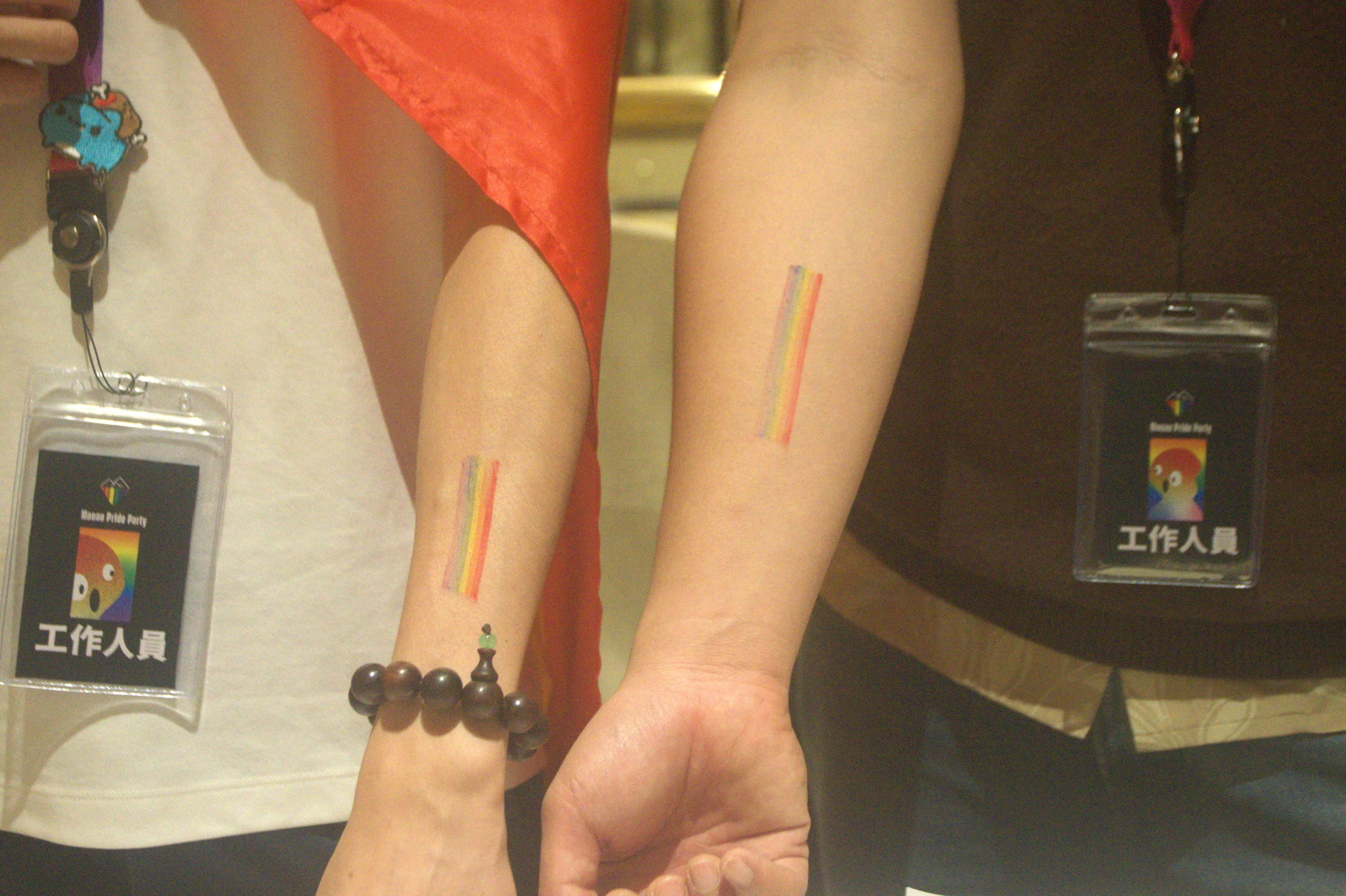
This increased visibility reflects a clear change from the recent past, according to Alan, a board member of the Macau Gender-Diversity Community Association (CGD): “Many people used to try to hide who they were. Today, they are more willing to embrace their gender identity and take part in public events,” he told PLATAFORMA, emphasizing that access to information has played a decisive role in this evolution.
The internet and social media have allowed more people to connect with LGBTQIA+ experiences and movements from other countries, “giving them valuable perspectives, and the growing public discussion around these issues has made them much more willing to open up and share their stories with us.”
In Macau, coming out remains a process shaped by the territory’s close-knit social environment. “Macau is a very relationship-based community,” said Benedict, president of the association’s board, adding that those who decide to reveal their sexual orientation or gender identity “carefully consider who they are speaking to, as well as the family ties and social circles involved.”
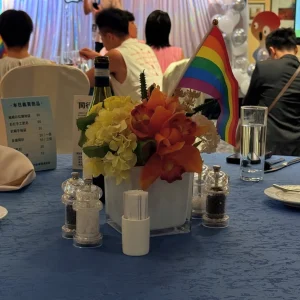
“Although coming out can still be risky, these support groups ensure that people do not have to face the situation alone” – Daniel, Head of Transgender Community Development at CGD
Daniel, the association’s Head of Transgender Community Development, added that “social pressure remains strong for many people, especially when families or schools are highly religious or deeply rooted in traditional values.” In some cases, he noted, this pressure even leads some individuals to “enter heterosexual marriages.”
Read more: Pride Month: From the Streets of New York to a Global Movement
“Fortunately, we now have support groups,” he said, while stressing that “coming out is still a risk for many people.”
Support and Community Education
“Although coming out can still be risky, these support groups ensure that people do not have to face the situation alone,” Daniel explained. “If they experience sadness or loneliness afterward, they can turn to us [the association] and find a community ready to support them,” he told PLATAFORMA.
From a legal perspective, Macau has not criminalized LGBTQIA+ individuals since 1996, but the association believes there is still room to “increase awareness about the realities faced by LGBTQIA+ people.”
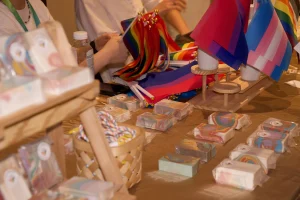
The association has focused its efforts precisely in this area, reaching institutions such as the Macau University of Science and Technology (MUST) and the City University of Macau, “particularly social work courses, to educate students about LGBTQIA+ issues. We also organize ‘human libraries,’ where members of the community share their experiences with people who may not yet be familiar with these realities,” Benedict explained to PLATFORM.
The association also works with companies through internal training programs aimed at increasing understanding of LGBTQIA+ issues and promoting more inclusive workplaces. In addition, it has collaborated with the Macau AIDS Care Association and the International Queer Film Festival.
“People tend to fear what they do not understand,” Benedict said, arguing that education remains the most effective tool for combating misconceptions.
“It is not about forcing anyone to accept something immediately. It is about helping people understand what gender diversity means” – Alan, CGD Board Member
“When we look at Hong Kong and Taiwan, we see societies that are more driven by civil society and have a much broader base of participation than we do,” he said.
In Macau, the path has been different, but no less effective: it is based on community education, dialogue, and grassroots initiatives. “What we are doing now through community-based education is already a step forward,” Benedict said.