

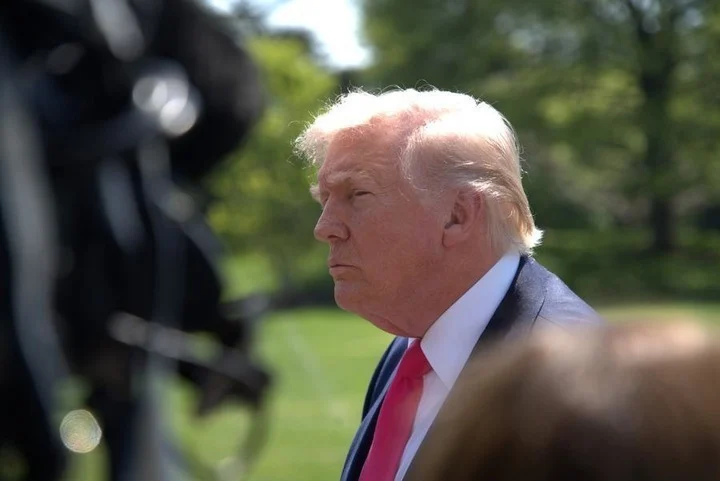
President Donald Trump signed an executive order recommending a reduced childhood vaccination schedule and advocating for the separation of the combined measles, mumps, and rubella (MMR) shot into individual doses.
Speaking at the signing, Trump referenced outdated arguments regarding childhood immunization schedules, suggesting that lower historical vaccine administration correlated with better health outcomes and lower autism rates. Numerous comprehensive global studies, including a landmark 2019 study of over 650,000 children, have repeatedly disproved any connection between vaccines and autism.
The presidential order serves as national guidance rather than a legal mandate, as compulsory immunization requirements for school entry are determined individually by state governments.
Under the new recommendations, the federal administration proposes reducing core childhood immunizations from the 18 recommended by the American Academy of Pediatrics to 11. Recommended targets retain coverage for illnesses such as polio, chicken pox, tetanus, and measles, while excluding seasonal boosters from the core framework.
Read more: Trump was secretly flown out of Turkey in a catering container after a credible Iran threat. Reporters traveling with him had no idea (with video)
The executive directive also instructs federal agencies to pursue alternative formulations for vaccine adjuvants, specifically calling for research into options to replace aluminum salts. Public health agencies like the CDC and the American Academy of Pediatrics maintain that the trace amounts of aluminum used in select vaccines are safe, well-tested, and essential for stimulating necessary immune responses with smaller antigen doses.
Medical professionals and public health leaders expressed strong opposition to the guidance. Experts highlighted that splitting the MMR shot into separate appointments extends the window during which children remain unprotected against preventable diseases and increases the likelihood of missed immunizations.
Additionally, healthcare organizations reaffirmed that current vaccination timelines are specifically engineered to protect children when their immune systems are most vulnerable.
Political leaders with medical backgrounds also questioned the directive. Senator Bill Cassidy, a physician, publicly criticized the executive order, emphasizing that decisions regarding immunization protocols should rely on established scientific consensus rather than executive guidance.
Read more: Trump’s media companys’ loss surges, forces new restructuring
Health and Human Services Secretary Robert F. Kennedy Jr. defended the administration’s stance, framing the updated guidance as an effort to offer families greater flexibility rather than restricting access to preventive care. However, pediatricians warn that altering established vaccination schedules during ongoing viral outbreaks poses significant risks to public health.
