

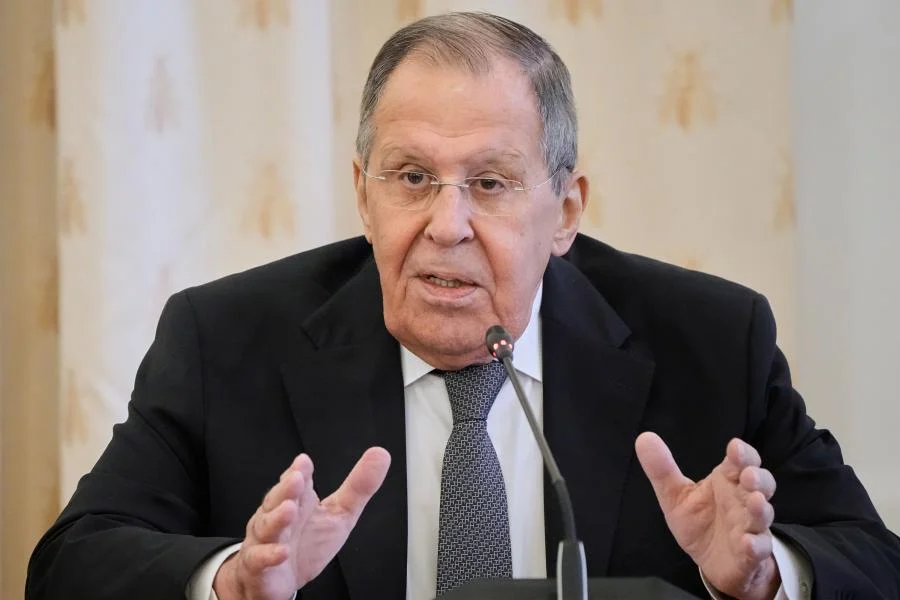
Sergey Lavrov has called on Donald Trump to “abandon the language of ultimatums” toward Iran in order to restart negotiations and ease rising tensions.
The appeal came during a conversation between Lavrov and his Iranian counterpart Abbas Araghchi, where both sides stressed the need to reduce escalation and return to diplomatic efforts.
According to Moscow, progress in de-escalating the crisis would be more likely if the United States shifted away from threats and resumed dialogue.
Both ministers also condemned what they described as “reckless and illegal attacks” on civilian infrastructure, including the Bushehr Nuclear Power Plant, where Russian personnel are present. Nearly 200 staff members were reportedly evacuated following recent strikes attributed to US and Israeli forces.
Read more about this topic: Iran War: Tehran rejects negotiations after Trump threatens power plants (with video)
The latest tensions follow an ultimatum issued by Trump, who gave Iran a deadline to reach an agreement or reopen the Strait of Hormuz—a key route for global oil and gas shipments. The deadline was later extended by 24 hours.
The crisis escalated after military action launched on February 28 by the United States and Israel against Iran, citing concerns over Tehran’s nuclear program. Iran, which insists its program is for civilian purposes, responded by closing the Strait of Hormuz and launching attacks on Israeli targets, US bases, and infrastructure across several countries in the region.
The disruption has had global repercussions, including rising oil prices and instability in energy markets, as the Strait of Hormuz remains one of the world’s most critical النفط transit routes.
