

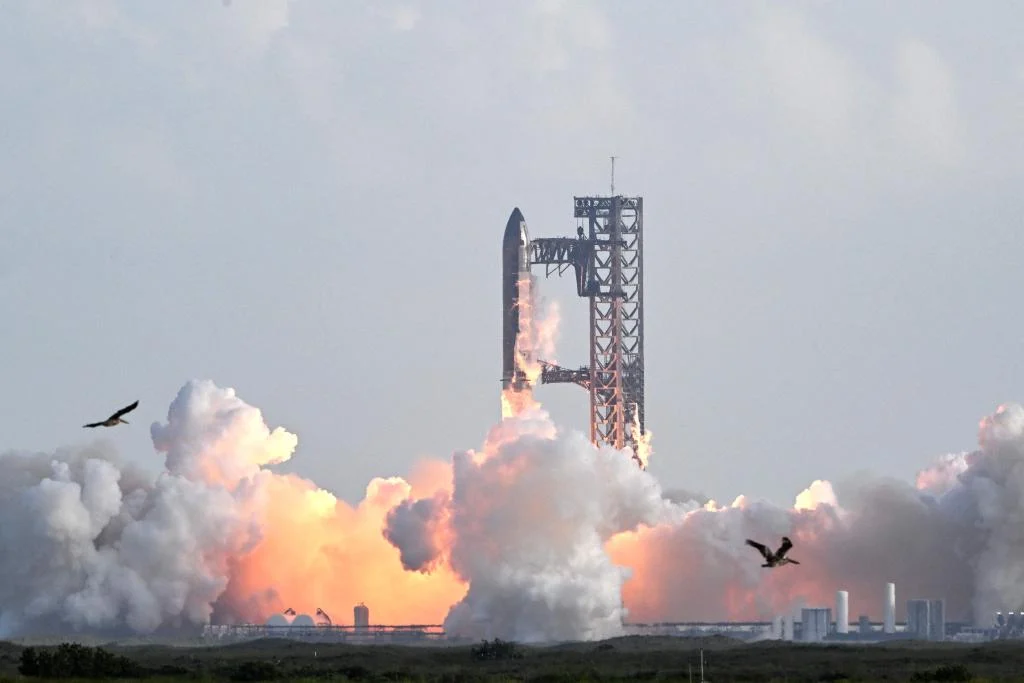
NASA has successfully launched the Artemis 2 mission, marking the return of humans to lunar orbit for the first time in over 50 years. The mission aims to test critical systems and pave the way for a future lunar landing amid international competition and political pressure.
The launch occurred on April 1 at 18:35 local time (06:35 Macau time) from the Kennedy Space Center in Florida. The crew consists of three Americans — Reid Wiseman, Victor Glover, Christina Koch — and one Canadian, Jeremy Hansen. All astronauts wore orange suits with blue detailing for the historic mission.
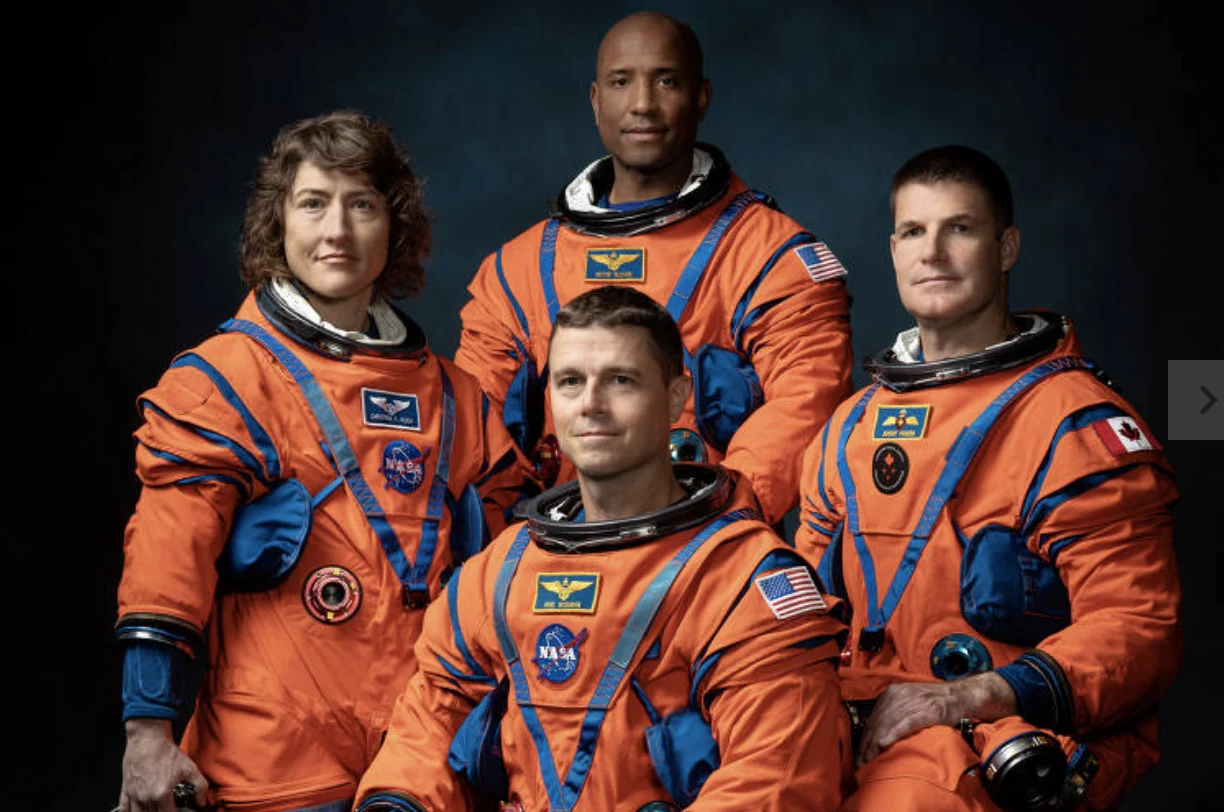
The launch occurred on April 1 at 18:35 local time (06:35 Macau time) from the Kennedy Space Center in Florida. The crew consists of three Americans — Reid Wiseman, Victor Glover, Christina Koch — and one Canadian, Jeremy Hansen. Photo: NASA
During the initial phase, the spacecraft entered Earth orbit to conduct technical tests for the Orion capsule, which had never before carried humans. The crew practiced proximity maneuvers simulating docking with a lunar module. Minor issues were reported, including a temporary communications glitch and a malfunction in the capsule’s restroom system, both quickly resolved. NASA Administrator Jared Isaacman confirmed that the astronauts were safe and in good condition.
The mission will travel to lunar orbit over three days, circle the Moon, and return to Earth after approximately 10 days. Artemis 2 will test systems essential for a future lunar landing scheduled for 2028. This flight is also the first crewed launch of NASA’s Space Launch System (SLS) rocket, designed to enable sustained U.S. lunar exploration.
Read more: NASA ends ISS mission early after astronaut suffers medical issue
The launch drew an estimated 400,000 spectators along Florida’s Space Coast and marks several milestones, including the participation of the first woman, the first person of color, and the first non-American astronaut on a lunar mission. The crew is expected to reach the farthest distance from Earth ever attained by humans.
NASA faces pressures from budget constraints, program delays, and international competition, particularly from China, which aims to land astronauts on the Moon by 2030. Experts note that Artemis 2’s success is crucial for demonstrating U.S. technological leadership and advancing plans for a crewed lunar landing within the next decade.
