

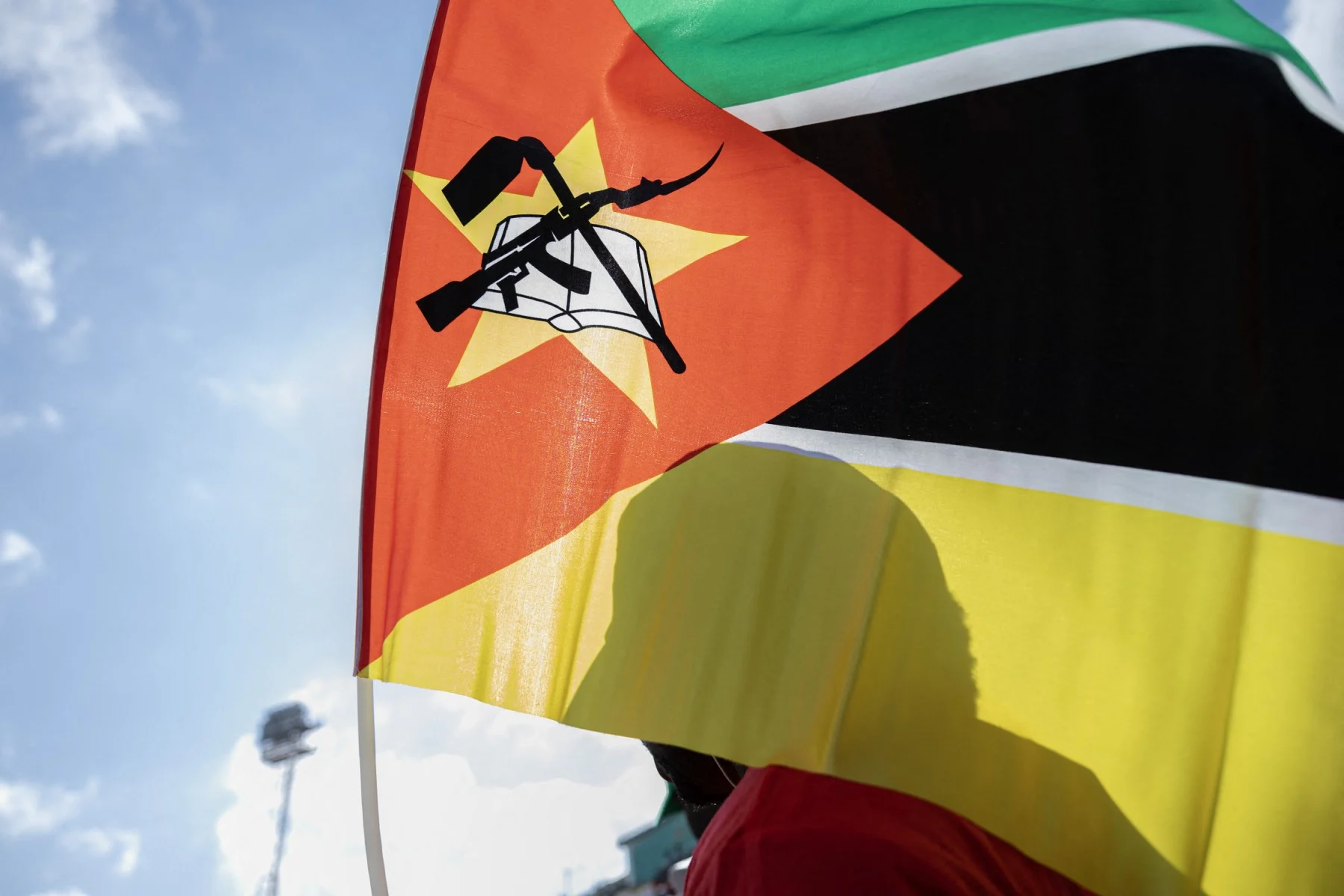
Mozambique is among the countries most likely to face rising food prices and higher living costs due to reduced fertilizer imports caused by disruptions in traffic through the Strait of Hormuz, the United Nations has warned.
In the report “Disruptions in the Strait of Hormuz: implications for global trade and development,” the United Nations Conference on Trade and Development states that the disruption of transit in the strait “may worsen access to fertilizers for some poorer countries,” highlighting global consequences stemming from halted supply transport through this key route.
“The escalation of the conflict affecting the Strait of Hormuz region (…) is increasingly reflected in fertilizer markets, linking disruptions in energy supply and maritime transport to agricultural markets, the future of food supply, and trade,” the organization warned.
According to UNCTAD, Mozambique imported 22% of its fertilizers in 2024 through this route from the Persian Gulf. Other countries on the list include New Zealand (26%), Kenya (26%), Thailand (27%), Pakistan (27%), Somalia (30%), Tanzania (31%), Australia (32%), Sri Lanka (36%), and Sudan (54%).
Read more: Mozambique: locals discover human remains in Cabo Delgado
“Increases in energy, fertilizer, and transport costs — including freight, marine fuel prices, and insurance premiums — could raise food prices and intensify pressure on the cost of living, especially for the most vulnerable,” the report states.
The document adds that when oil prices rise, food prices tend to follow, and “when gasoline prices increase, fertilizer prices generally also rise.”
The Strait of Hormuz is crucial not only as a trade route but also because it is located near major fertilizer-producing countries, UNCTAD emphasizes.
Globally, fertilizer trade is highly concentrated, increasing vulnerability to disruptions. Countries in the region account for 13% of global nitrogen exports and 9% of phosphate fertilizer nutrients.
Read more: Mozambique: UNICEF distributes 5k water purifiers to flood victims
Overall, about one-third of global maritime fertilizer trade passes through the Strait of Hormuz, totaling around 16 million tonnes of fertilizers transported from the Persian Gulf in 2024. Of this, 67% was urea, 20% diammonium phosphate, 9% monoammonium phosphate, and 4% other types of fertilizers.
The crisis follows military strikes launched by the United States and Israel against Iran on February 28. Iran retaliated by closing the strait and carrying out attacks on Israeli targets, U.S. bases, and infrastructure in the region.
The Strait of Hormuz, which connects the Persian Gulf to the Gulf of Oman, is also a vital route for about 20% of the world’s oil and a significant share of liquefied natural gas transported by sea, according to U.S. and UN data.
