

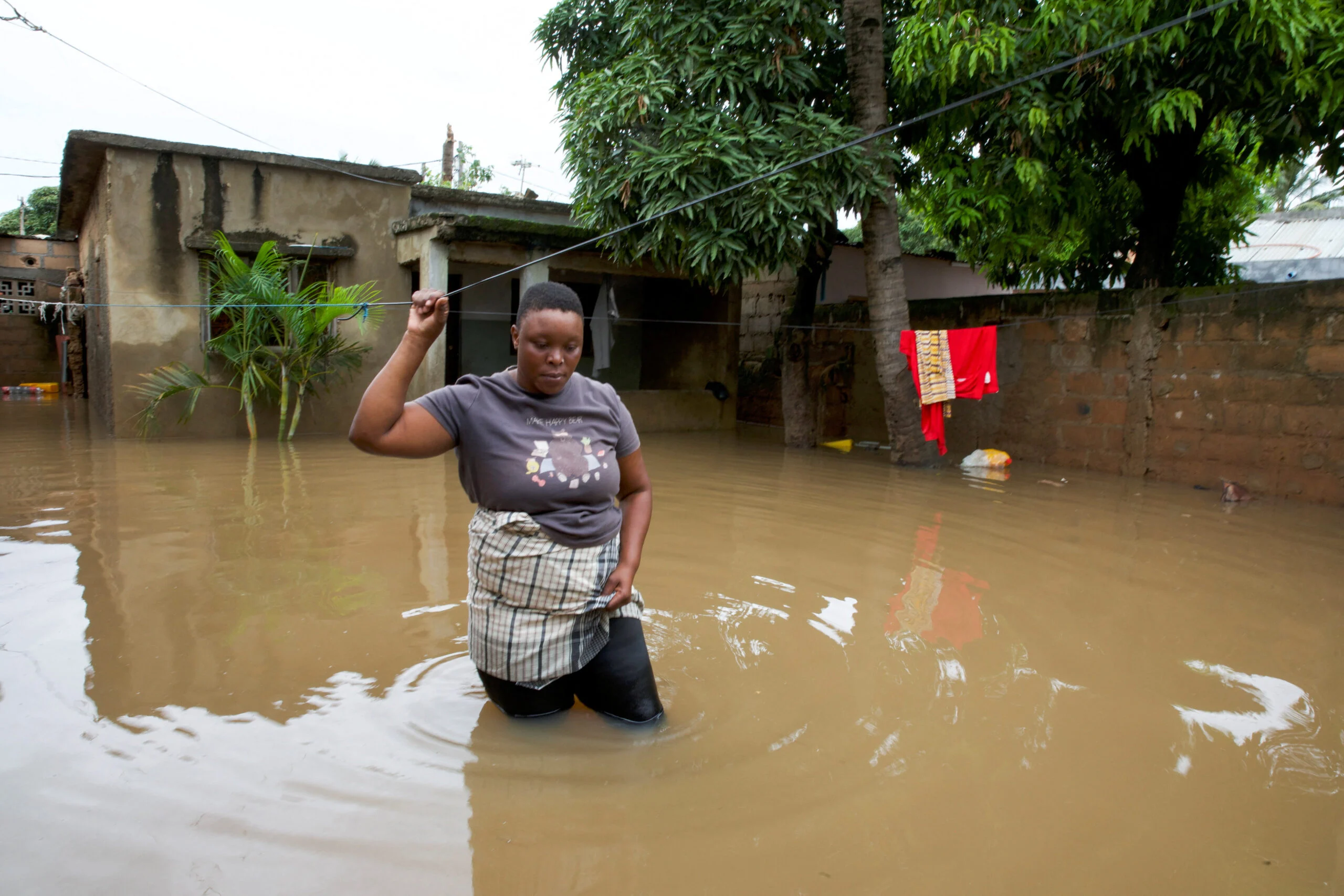
UNICEF announced that it is distributing water treatment materials and other emergency supplies to victims of flooding in central Mozambique, where an estimated 146,000 people have been affected.
In a statement, UNICEF Mozambique said its teams are on the ground providing humanitarian assistance to impacted communities.
The aid includes 2,000 kilograms of chlorinçambiquee for treating water systems, 5,000 water purifiers, 30 emergency sanitation slabs, four school tents, 10 classroom kits, as well as medicines and health tents pre-positioned in Beira, in Sofala province.
UNICEF also reported the creation of safe spaces to support the mental health and well-being of children affected by the floods.
According to INGD (National Institute for Disaster Management and Risk Reduction), the death toll from the current rainy season has risen to 306, with more than 1.05 million people affected since October.
Read more about this topic: Mozambique: rainy season leaves 306 dead since October
Recent updates indicate an additional two deaths in recent days, bringing the total number of affected people to 1,053,575 across 243,201 families. Authorities have also recorded 17 missing persons and 351 injuries.
Flooding in January alone caused at least 43 deaths, 147 injuries, and nine missing persons, affecting more than 715,000 people, while some southern regions have recently experienced a new wave of flooding.
The passage of Cyclone Gezani in Inhambane on February 13–14 caused an additional four deaths and affected 9,040 people.
Overall, 24,229 homes have been partially destroyed, 11,996 completely destroyed, and 209,219 flooded during the current rainy season.
Read more about this topic: Mozambique: Italy finances €63 million drainage project to reduce flooding
In less than six months, 304 health units, 109 places of worship, and 764 schools have been affected.
INGD data also shows that 316,267 hectares of agricultural land have been lost, impacting 371,320 farmers, while 531,116 animals—including cattle, goats, and poultry—have died.
Additionally, 9,522 kilometers of roads, 51 bridges, and 237 aqueducts have been damaged.
Since October, authorities have set up 197 accommodation centers, which at their peak housed 139,461 people. Currently, 29 centers remain active, sheltering at least 9,751 individuals, while 7,214 people have been rescued.
