

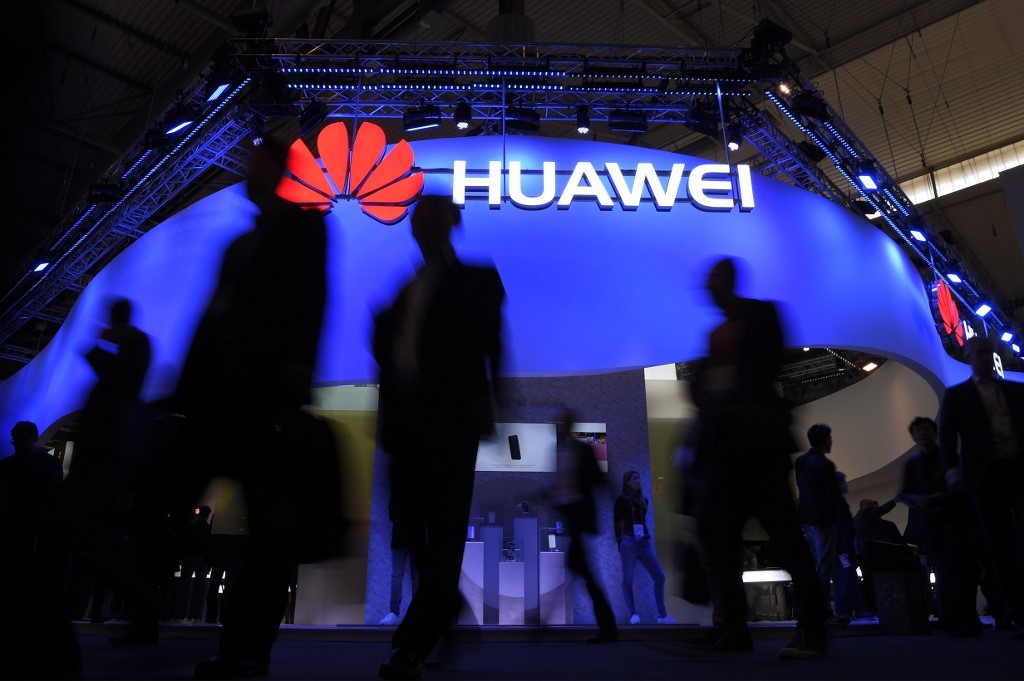
Chinese technology company Huawei, which operates in Portugal, reported a profit of 68.036 billion yuan (€8.45 billion) last year, an increase of 8.73% compared to 2024.
During the same period, Huawei’s revenue, for the privately held company, rose 2.2% to 880.941 billion yuan (€109.419 billion at current exchange rates).
Overall performance remained “stable” and “in line with expectations,” said rotating chairwoman and CFO Meng Wanzhou in a statement.
Chairman Liang Hua added that Huawei will continue increasing investment in research and development (R&D) in strategic areas such as connectivity, computing, cloud computing, devices, autonomous driving, and artificial intelligence (AI).
Read more: BYD profits fall 19% in 2025
By business segment, the core telecommunications infrastructure unit saw revenue grow 2.6% to 375.014 billion yuan (€46.579 billion). The consumer segment rose 1.6% to 344.473 billion yuan (€42.785 billion).
Revenues also increased 12.7% in the “digital energy” segment, while intelligent automotive solutions surged 72.1%. Meanwhile, cloud computing services declined 3.5%.
In the latter case, revenue reached 32.161 billion yuan (€3.994 billion), although the report notes that including income from other Huawei segments, this figure would total 72.075 billion yuan (€8.952 billion).
Huawei reported R&D spending of €23.885 billion in the last fiscal year — the highest in its history — representing 21.8% of its annual revenue. The company added that over the past decade, its cumulative R&D investment reached 1.382 trillion yuan (€171.6 billion).
Read more: Revolut posts record €1.5 billion profit in 2025
According to consultancy Canalys, Huawei led China’s smartphone market until mid-2025, holding an 18% market share. In 2024, Huawei posted a 28.03% drop in profits, while revenue grew 22.4% to 862.1 billion yuan.
In 2023, the company doubled its profits following a 69% decline in 2022, attributed to a “challenging external environment” and “significant pressures,” referring to sanctions and restrictions imposed by the U.S. government over alleged links to Chinese security agencies.
