

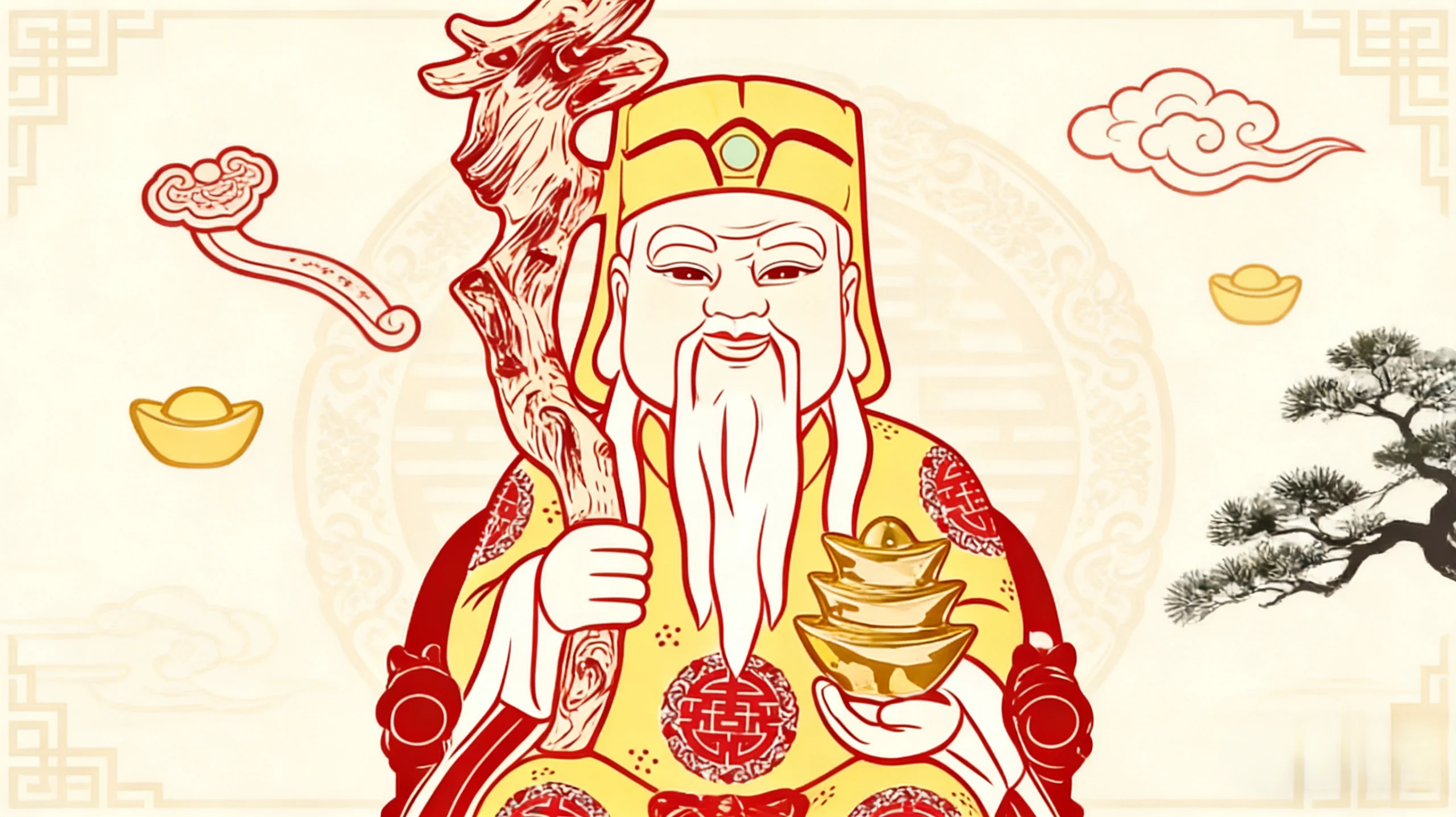
The belief and customs of Tou Tei boasts a long history in Macao and shows a variety in the altars, which can be classified as tablets, stone tablets, big and small altars as well as temples. Currently, Macao has around 10 temples and over 160 altars dedicated to Tou Tei, in addition to individual tablets at the entrance of numerous residences and shops.
The Belief and Customs of Tou Tei in Macau is officially recognized as a National Intangible Cultural Heritage. While the exact historical origins are untraceable, one widespread theory points to ancient agricultural practices. This folklore suggests that while the first lunar month signals the approach of spring, it is the second month that actually delivers warm southeast breezes to northern China and ideal planting weather to the south.
Since “Tou Tei Kung Kung” oversees soil, seeds, and agricultural success, it was considered necessary to host a thanksgiving celebration right when ploughs hit the fields to seek protection for the land and ensure a bountiful harvest.
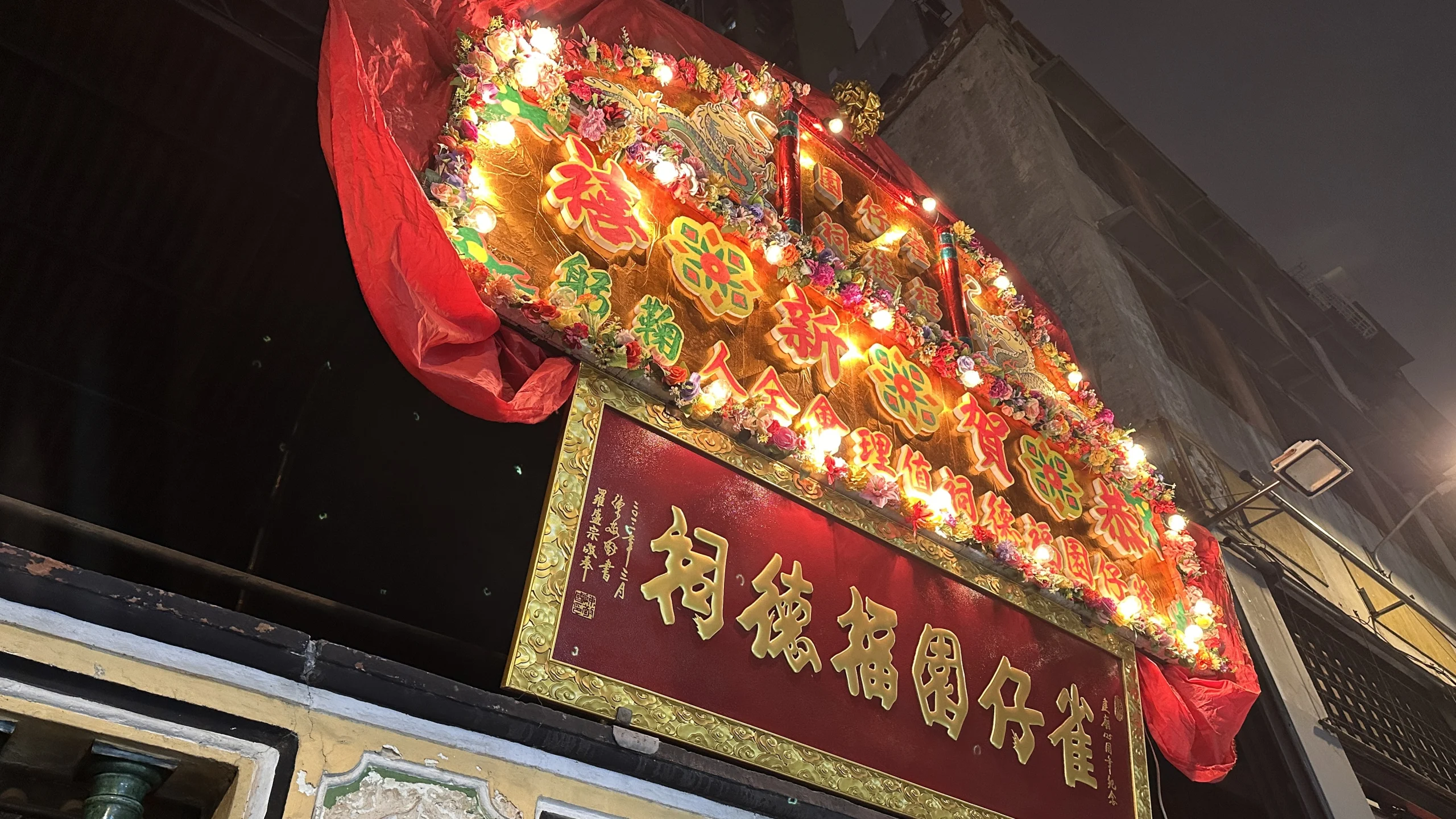
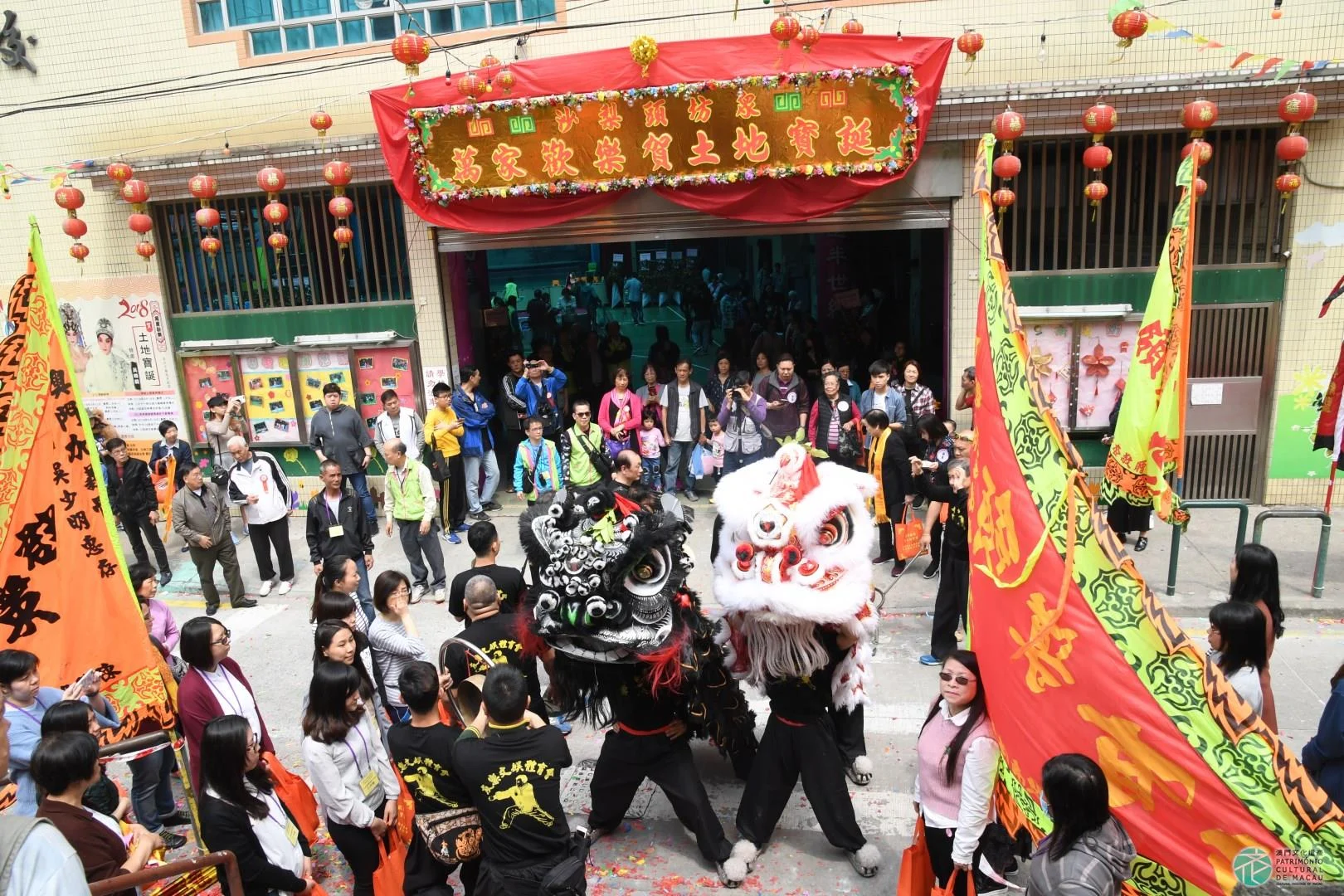
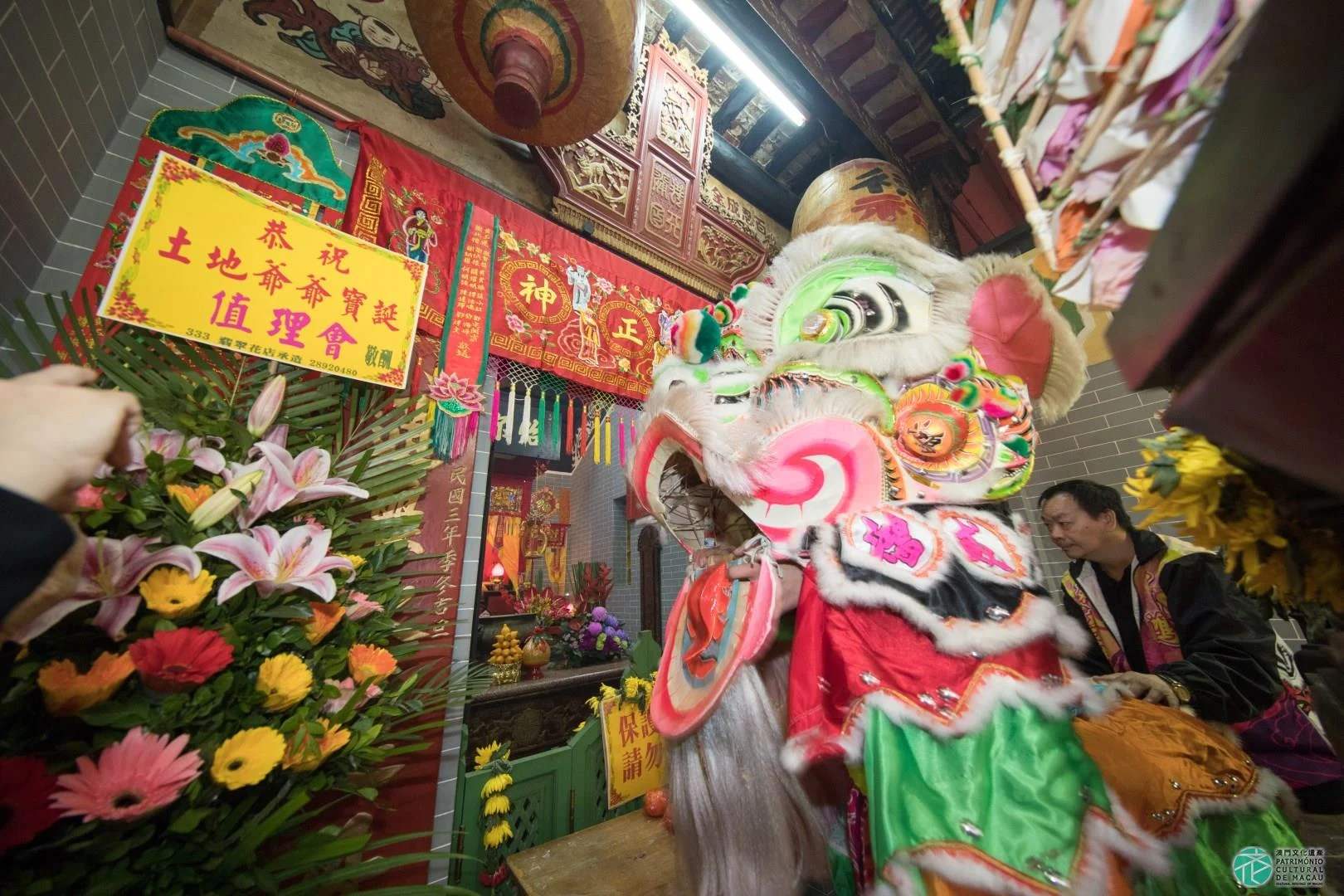
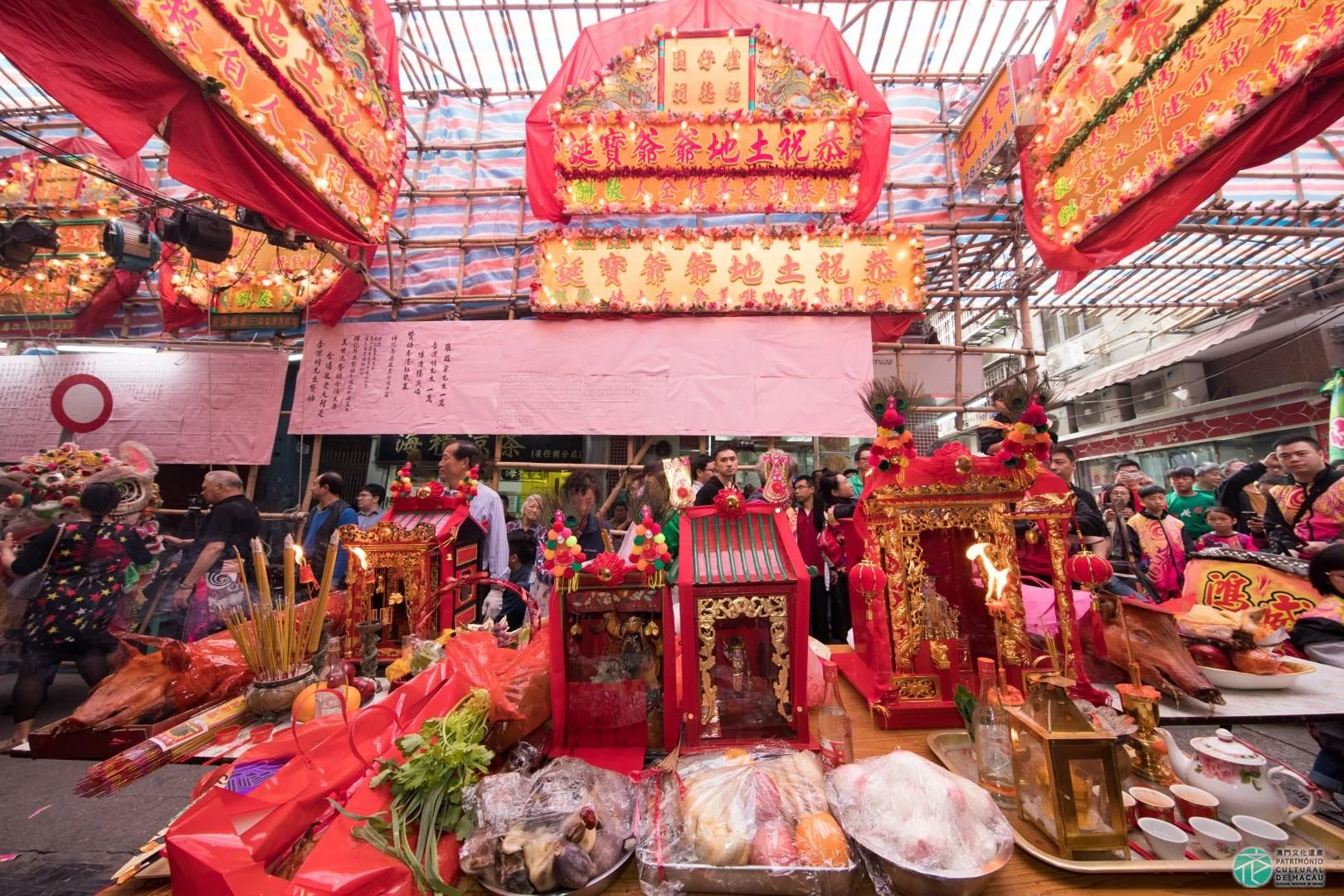
The festival is no longer just an agricultural affair, but a deeply ingrained part of modern urban life. Shop owners, kitchen crews, and local artisans stop by to light incense, offer crispy roast pork, and whisper wishes for smooth business and steady footfall. A glance into Macau’s old alleys reveals tiny Land God shrines tucked everywhere, proving that Tou Tei Kung’s influence remains highly relevant to everyday citizens.
A prominent center for these celebrations is Foc Tac Temple in Cheok Chai Un, the charming “Sparrow Garden” neighborhood on the Macau Peninsula. Built in 1886 after Portuguese-era roadworks prompted its relocation, this grey-walled heritage site sits at the corner of Rua de Henrique de Macedo and Rua de Tomás da Rosa, proudly celebrating its 140th anniversary this year.
It is small but architecturally significant, featuring an arched doorway, a sky-well courtyard, intricate carvings, and Macau’s only Chinese-Portuguese temple inscription on a bilingual stone tablet. Inside, Tou Tei Kung shares altar space with Tin Hau (or A-Ma), the seafarers’ goddess, the God of Wealth, etc.
Sustained by volunteers and donations, the festival kicks off at 11 p.m. on the eve with solemn incense rituals and offerings of fruit and roast pork. A core tradition revolves around the Fa Pao—auspicious paper-crafted shrines. Historically, devotees returned previous shrines in gratitude and eagerly scrambled to catch lucky red cloths shot from firecrackers to win a new shrine for the year.
Read also: Dragon and lion dances, Portuguese egg tart craftsmanship added to Macau’s intangible heritage list
While this exciting “scrambling for the Pao” and the subsequent palanquin parades have faded due to modern practicalities, the spirit of seeking divine blessings remains. Today, the festival is a profound expression of community bonding. It features traditional Cantonese opera performed on massive bamboo scaffolding to entertain deities and locals alike, and culminates on the fifth day with a grand feast for seniors, honoring Macau’s deep-rooted respect for the elderly.
So the next time you wander Macau’s alleys and spot a tiny shrine with incense curling into the air, take a moment to appreciate it. That is Tou Tei Kung, the humble Land God who demonstrates that profound cultural influence does not require a grand throne, just a steadfast presence, loyal devotees, and the enduring respect of the community.
