

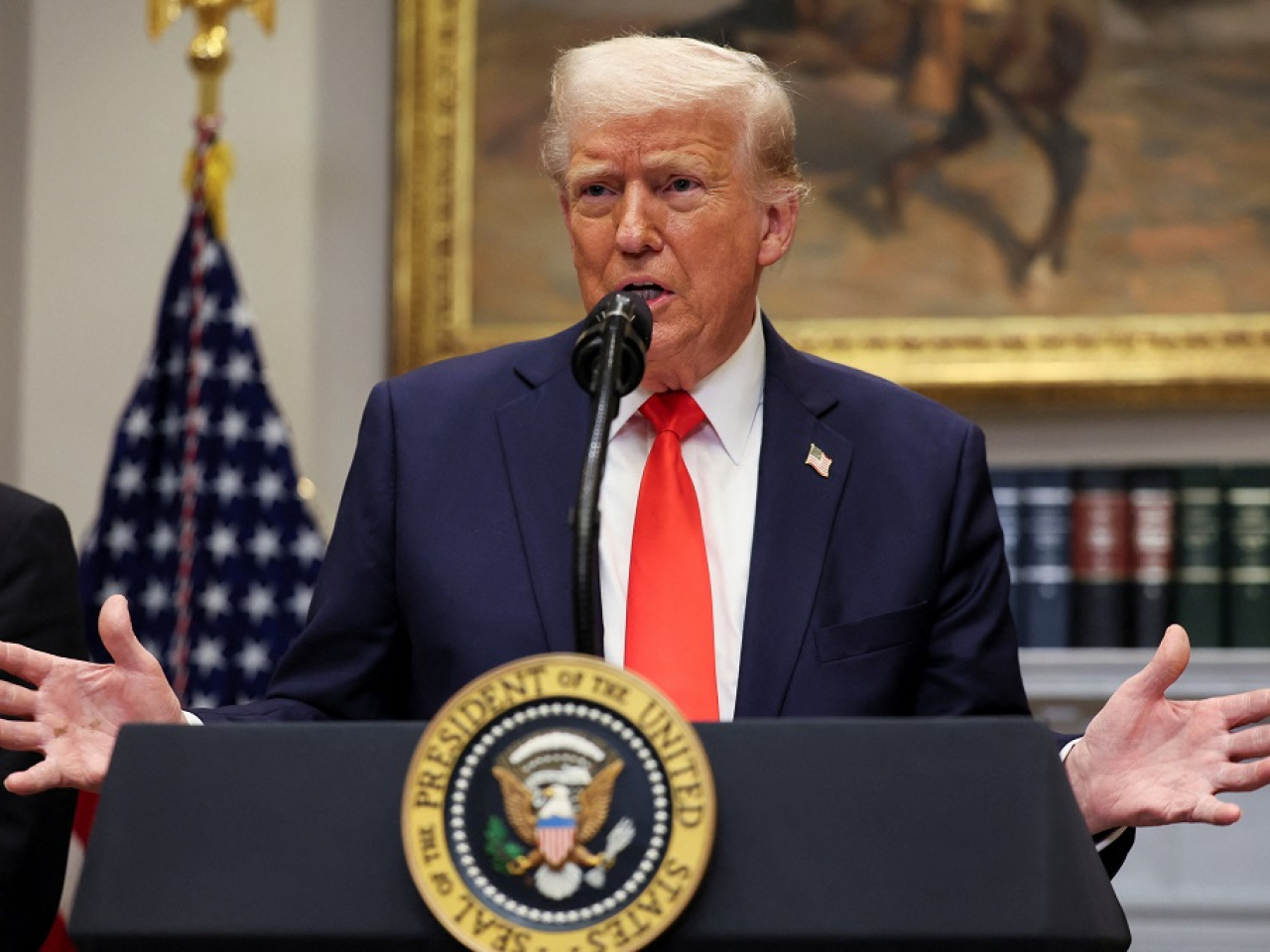
The new global tariffs imposed by US President Donald Trump, which he claims are “reciprocal” and should come into effect on August 1st, begin to be applied this Thursday.
In a statement to TSF, José Rijo, one of the founders of the Alliance of European Law Firms for Customs and Commercial Law, believes that European legislation is prepared to respond to the United States should the US President decide to break the agreement with Brussels on the 15% customs tariff rate. The lawyer specializing in customs law acknowledges that we are witnessing “a new paradigm in international trade relations,” but assures that the law is keeping pace with the implementation of new tariffs.
“Legislation is constantly changing and has naturally accompanied this instability. If this agreement is broken or the Americans decide to begin taxing Portuguese and European products, we have legislation already fully prepared to, just one activation away, begin retaliating in kind,” José Rijo explained to TSF.
The US is now beginning to implement its new tariff plan, which includes a global minimum of 10% and duties starting at 15% for countries that have a trade surplus with the US.
Nearly 40 countries are subject to the additional tariff, for countries with which the United States considers it to have a trade deficit, including Costa Rica, Ecuador, Venezuela, and Bolivia.
The value of the new customs duties, which will affect several dozen countries, ranges from 10% to 41%, with products from the European Union, Japan, and South Korea being taxed at 15% and those from the United Kingdom at 10%.
Indonesia, on the other hand, will face a 19% rate, while Vietnam and Taiwan will face surcharges of 20%.
In the case of the European Union, a trade agreement was reached with the US at the end of July, although on Tuesday, President Donald Trump threatened to impose 35% tariffs if the bloc did not invest the $600 billion it agreed to inject into the American economy.
On July 31, Donald Trump decided, via executive order, that the new global tariffs would begin to be applied starting this Thursday, thus postponing them for about a week.
For countries from which the US sells more than it buys, the 10% tariff set on April 2, the date on which a full series of tariffs on US partners, remains in effect.
