

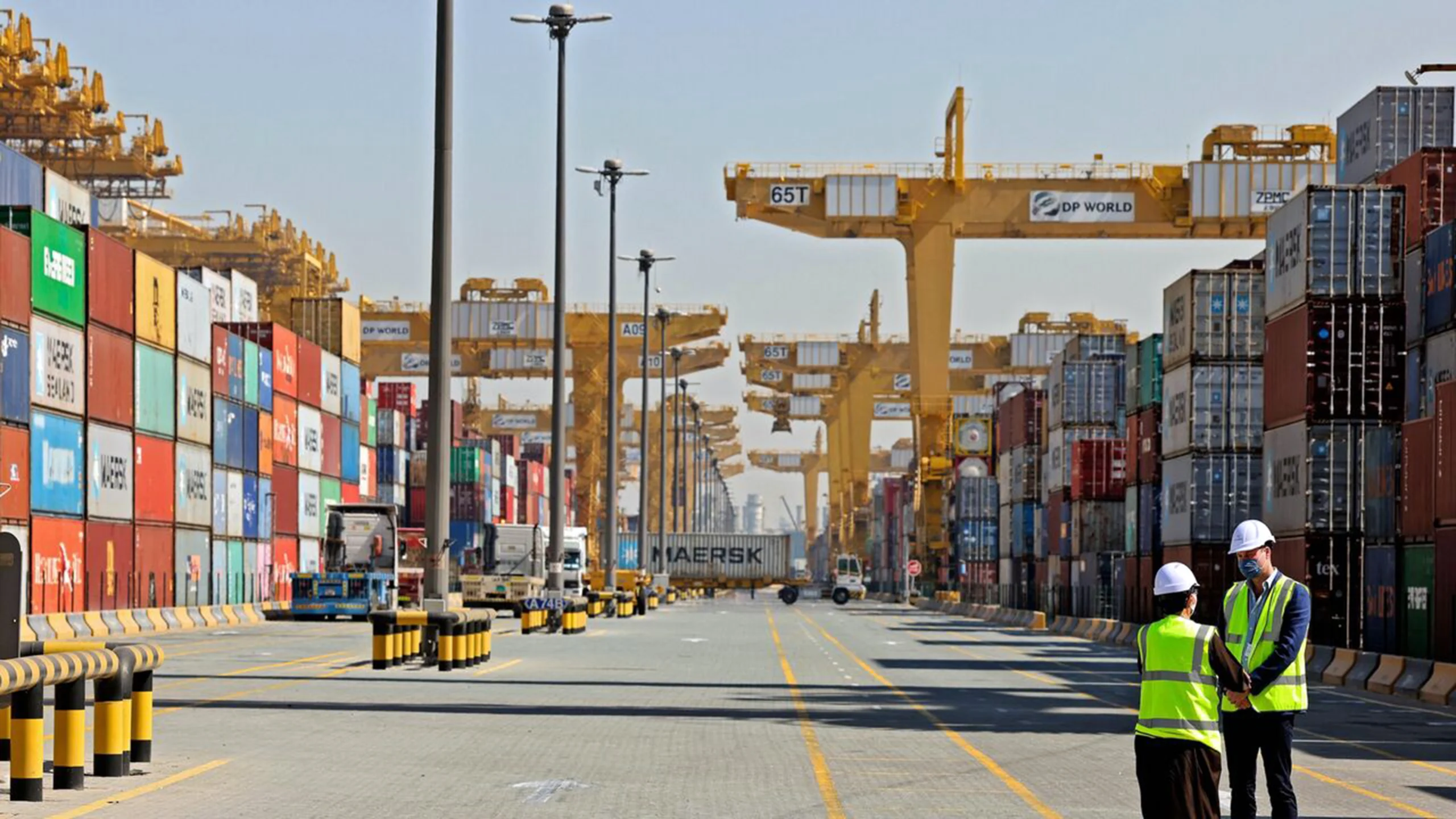
Macau’s external merchandise trade totalled MOP 67.20 billion in the first half of 2025, representing a year-on-year decrease of 4.3%, according to data released by the Statistics and Census Service (DSEC). Although export value rose slightly by 0.3%, the 4.8% drop in imports contributed to a reduction in the trade balance deficit, which stood at MOP 53.95 billion — MOP 3.07 billion less than in the same period last year.
Re-export value increased by 0.6% during the semester, reaching MOP 5.91 billion, while domestic exports fell by 1.9% to MOP 714 million. Modest though it may be, the resilience of re-exports contrasts with the decline in exports to Macau’s main external markets. Sales to Mainland China, Belt and Road Initiative (BRI) countries, the European Union, and the United States fell by 11.9%, 66%, 16.7%, and 0.9%, respectively.
For academic and economist Henry Lei, this trend underscores the need for Macau to consider re-exports as a strategic area. “Although it is not included among the ‘1+4’ key industries, re-exports or transshipment have been seen as a sector Macau can develop by leveraging its role as a ‘platform’,” he said.
Lei believes the figures reflect a slowdown in economic recovery. “The decline in the value of Macau’s external merchandise trade is probably due to reduced demand for imported goods, caused by a contraction in both tourist spending (external demand) and local retail sales (internal demand), which coincides with the GDP decline in the first quarter,” he told PLATAFORMA.
The economist argues that the current geopolitical context offers a window of opportunity: “Macau may have the potential to establish itself as a trade platform for Mainland China in its dealings with BRI countries and the European Union, moving away from the traditionally U.S.-dominated structure.” However, he acknowledges that “this path will take time and require extra effort from Macau to consolidate that role.”
In terms of imports in the first half of 2025, the value of fuel and lubricant imports (MOP 3.44 billion), mobile phones (MOP 1.29 billion), and construction materials (MOP 711 million) declined by 9.4%, 23.4%, and 36.3%, respectively. For Henry Lei, these figures “to some extent reflect a loss of confidence.” Even so, he believes the strong performance of the tourism and gaming sectors in July and August could inject new momentum into economic activity. “With the increase in gaming revenue — for example, surpassing MOP 21 billion in June — it is expected that the business sector will respond by ramping up purchases to prepare for the influx of tourists.”
Despite this, he remains cautious about private investment. “When it comes to private construction or property development, it’s difficult to predict the pace of recovery, given that residential property prices have been continuously falling and transaction numbers remain below average,” he concludes.
