

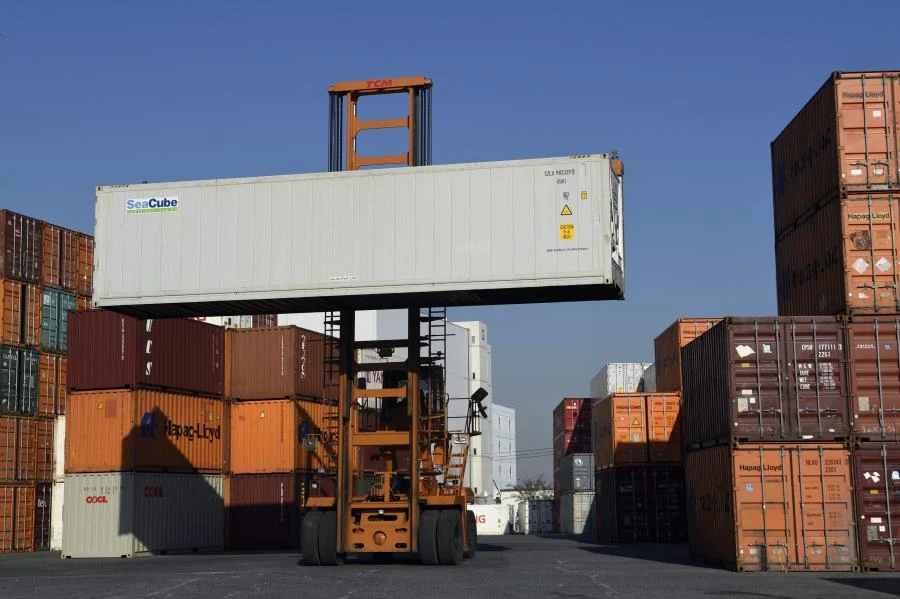
Import prices in Cape Verde rose by 0.3% between February and March, reversing a downward trend that had persisted for several months. According to the National Statistics Institute (INE), the slight uptick was primarily driven by the rising costs of fuels and machinery, signaling a shift in the archipelago’s trade dynamics.
As a nation heavily dependent on external goods, Cape Verde is highly sensitive to fluctuations in the global market. This recent increase arrives as the world begins to grapple with inflationary pressures linked to the conflict in the Middle East.
However, the INE report noted that consumer and intermediate goods managed to maintain a downward price trajectory during the same period.
Read more about this topic: Cape Verde: Fitch Ratings upgrades economic outlook to positive
From a broader perspective, the current figures are still significantly lower than those recorded last year. The INE highlighted that compared to March 2025, import prices have actually seen an overall decrease of 10.4%.
The Foreign Trade Price Index (ICE) continues to be the primary metric for tracking these commercial exchanges between Cape Verde and its international partners.
