

The European Commissioner for Energy, Dan Jørgensen, warned today that while the European Union has not yet faced a total cutoff of hydrocarbons, the bloc is actively preparing for potential fuel shortages following the blockade of the Strait of Hormuz.
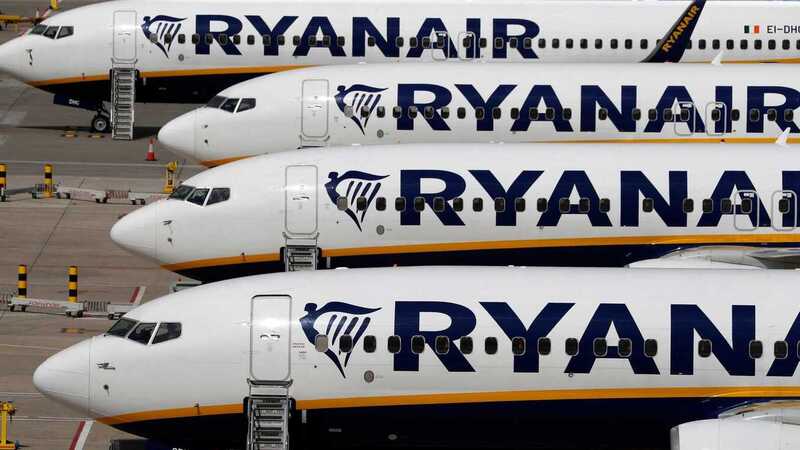
Speaking in Brussels after a meeting with Moldova’s Energy Minister, Jørgensen highlighted that kerosene—essential for the aviation industry—is of particular concern. “Hope is not a strategy,” the Commissioner remarked, emphasizing that the EU must remain vigilant as the crisis unfolds.
The situation remains dire due to significant infrastructure damage in the Persian Gulf, specifically in Qatar, which Jørgensen noted could take years to repair.
Read more about this topic: Macau legislators call for fuel subsidies amid rising oil costs
He described the current state as “the most serious energy crisis in history,” revealing that the EU has already spent an additional 30 billion euros on fossil fuels without receiving any extra supply due to market volatility. This financial strain is testing the resilience of European economies and global alliances.
To combat this strategic vulnerability, the Commissioner insisted that the EU must accelerate its long-term energy transition. The “Hormuz crisis” has underscored that energy dependency is a critical security risk. Jørgensen advocated for a multi-pronged approach to build lasting resilience:
-
Strengthening interconnections between member states.
-
Aggressive diversification of energy sources.
-
The rapid expansion of clean energy technologies.
-
Deeper integration of the European energy market.
