

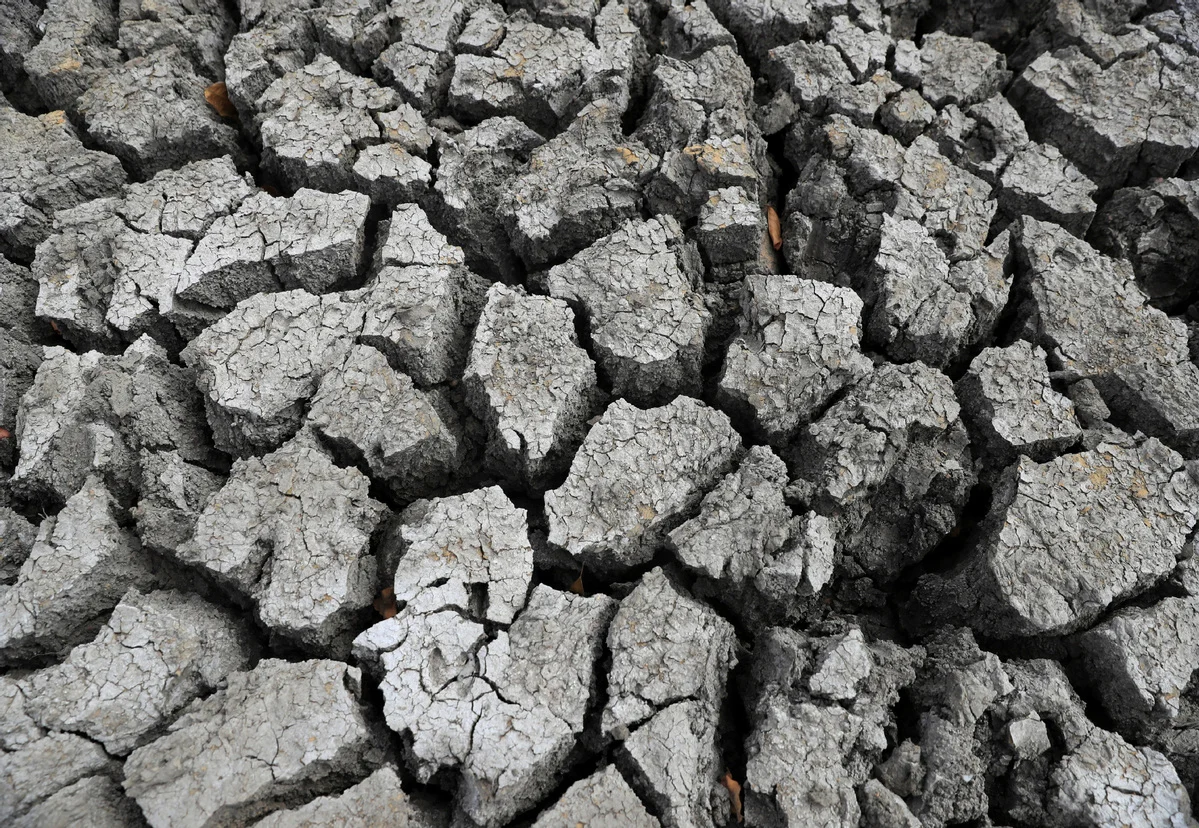
Mozambique faces a severe risk of humanitarian crises driven by El Niño conditions, which are projected to persist until March 2027, according to a report released today. The extreme weather pattern is expected to worsen food insecurity, water scarcity, malnutrition, and health emergencies across the country.
The assessment by ACAPS, an independent international organization analyzing humanitarian crises, classifies the ongoing El Niño event as strong, ranking it among the most intense recorded since 1950.
Mozambique is included on a high-risk list of countries projected to experience severe impacts between July 2026 and March 2027. This list also includes Afghanistan, Burkina Faso, Ethiopia, Guatemala, Haiti, Honduras, Kenya, Madagascar, Mali, Pakistan, the Philippines, Somalia, South Sudan, and Sudan.
Meteorological projections forecast below-average rainfall during the initial phase—November and December—of the 2026/2027 rainy season across Southern Africa, particularly affecting southern Mozambique. ACAPS warns that a delayed or deficient start to the rainy season will likely compromise rain-fed food crops during a vital period for regional agricultural production.
Read more about this topic: El Niño: what is the phenomenon that could intensify heat, extreme rainfall, and affect life in 2026
Furthermore, temperatures are projected to remain above average across Southern Africa from July through December of this year, intensifying water shortages. The prolonged presence of El Niño into the first quarter of next year could extend these dry conditions throughout the rest of the rainy season.
“The region is expected to continue experiencing drier-than-average conditions until near the end of the rainy season, leading to below-average maize harvests, reduced availability of pasture and water for livestock, and deteriorating food security throughout 2027,” the report states.
The document also highlights an elevated risk of wildfires and uncontrolled blazes, noting that dry, hot conditions will increase fire risks in the arid savanna regions of Malawi, Mozambique, and Zimbabwe between August and October.
The climate shocks threaten to compound pre-existing vulnerabilities. The report notes that Mozambique remains exposed to the international fuel and fertilizer crisis linked to recent disruptions in the Middle East, which has driven up agricultural production costs and food prices.
Read more about this topic: El Niño may return this year and make the planet warmer. Understand what this phenomenon is.
ACAPS stresses that Madagascar, Malawi, Mozambique, and Zimbabwe are the most highly exposed to these intersecting crises. Climate shocks will exacerbate underlying economic instability, localized conflicts, and the lingering effects of previous weather emergencies, resulting in higher levels of food and water insecurity during 2027.
The humanitarian warning comes as the Mozambican government formally reduced its economic growth forecast for 2026 from 2.8% down to 0.59% due to the severe impacts of recent flooding.
“The January 2026 floods affected approximately 724,000 people in the provinces of Maputo, Gaza, Inhambane, Sofala, Manica, and Zambezia, with significant impacts on poverty, food security, and livelihoods,” government spokesperson Inocêncio Impissa announced following a Council of Ministers meeting on Tuesday.
To address the damage, the government approved a Global Post-Flood Recovery and Reconstruction Plan budgeted at 102 billion meticais (€1.4 billion).
Read more: China faces higher risk of super typhoons due to El Niño (with video)
The initiative aims to promote a resilient, inclusive, and sustainable recovery in flood-hit areas, secure socioeconomic stabilization, restore livelihoods, and strengthen capacity for future disaster responses. Government estimates place physical damages at 69.5 billion meticais (€955 million) and wider economic losses at 41.37 billion meticais (€569 million).
