

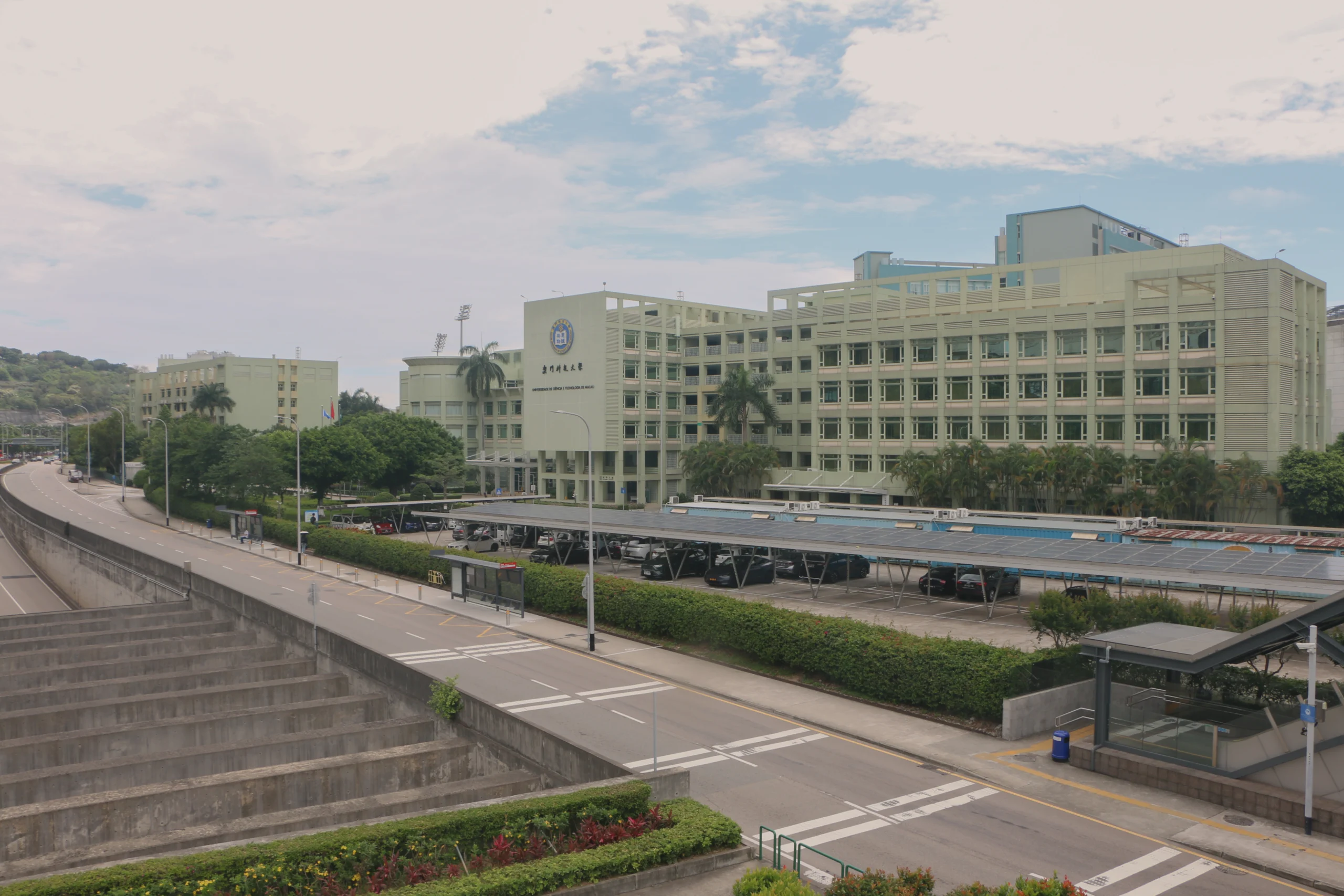
The Macau University of Science and Technology (MUST) has signed a landmark Memorandum of Understanding (MOU) with Brazil’s Institute of Energy and Nuclear Research (IPEN) to launch a joint cross-border nuclear energy research initiative.
The international collaboration will be anchored by MUST’s State Key Laboratory of Lunar and Planetary Sciences (SKLPlanets). Under the agreement, the laboratory will install the “Alpha-E” device, the world’s first desktop-scale miniature fusion research and teaching system. Developed by Alpha Ring International and backed by the WI HARPER Group, the device combines advanced research capabilities with clean energy talent training.
The signing ceremony was conducted in a hybrid format. Professor Xiaoping Zhang, Deputy Director of SKLPlanets, signed the document on-site, while Professor Isolda Costa represented IPEN remotely. The event was witnessed by MUST Vice President Yong Chen and Dr. Kwan Wong, Chairman of WI HARPER (Macau), according to MUST.
Read more: Universities of Macau and Beira Interior sign deal of “academic cooperation”
To support the partnership, the Science and Technology Development Fund (FDCT) has approved special funding to cover the introduction of the Alpha-E hardware. Moving forward, the two academic institutions plan to submit a joint research application under the FDCT-FAPESP program to secure long-term funding for collaborative studies intersecting nuclear energy and aerospace technology.
This partnership marks a strategic expansion for Macau, positioning the territory as a key technology hub connecting the Guangdong-Hong Kong-Macao Greater Bay Area (GBA) with Portuguese-speaking nations. Beyond its scientific goals, the initiative directly aligns with China’s 15th Five-Year Plan fusion energy strategy and supports Macau’s ongoing economic diversification efforts.
