

A nationwide outbreak of cyclosporiasis, an intestinal illness caused by the microscopic parasite Cyclospora cayetanensis, has spread across dozens of states this summer, prompting health officials and food safety experts to weigh in on which foods carry risk and which remain safe.
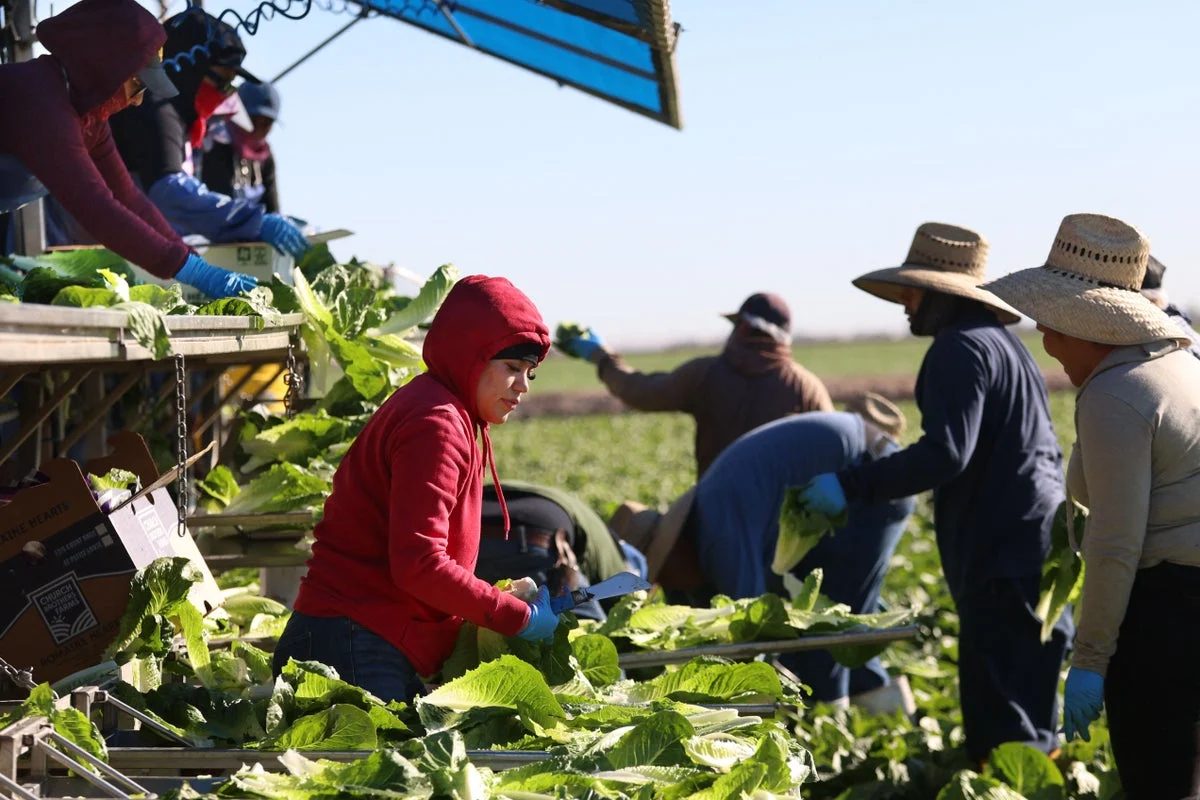
The outbreak has largely been traced to shredded iceberg lettuce sourced from Taylor Farms de Mexico, sold under the Taylor Farms and Marketside brands, with both Taco Bell and Walmart’s Marketside products having used lettuce from the affected farm before discontinuing it, NBC News reports.
Taylor Farms issued a voluntary recall of all iceberg lettuce sourced from central Mexico on July 17, after epidemiological and traceback evidence pointed to the product as a likely source of infections. Laboratory-confirmed cases have since been reported in 47 states.
People contract cyclosporiasis by consuming food or water contaminated with human fecal matter carrying the parasite. Not everyone infected develops symptoms, but for those who do, the illness typically causes frequent and sometimes explosive watery diarrhea, along with cramping, nausea, fatigue and low-grade fever.
Read more about this topic: US: Michigan reports first US deaths in record cyclosporiasis outbreak (with video)
Symptoms generally appear two to 14 days after exposure and, left untreated, can last anywhere from a few days to a month or longer, sometimes improving before returning. Direct person-to-person transmission is unlikely, since the parasite requires at least one to two weeks outside the body after being shed before it becomes infectious, and the CDC notes the infection is not usually life-threatening.
Former CDC director Robert Redfield has cautioned that lettuce may not be the only food driving the outbreak, in comments reported by Newsweek that he isn’t convinced lettuce alone explains the full scope of illnesses, pointing to past instances in which cyclospora was tied to blueberries, raspberries and snow peas.
He urged consumers to prioritize locally grown produce, arguing that imported produce carries greater risk since contamination can occur during growing, harvesting or processing abroad. Redfield also noted that washing produce doesn’t reliably remove the parasite once present, saying that even rinsing lettuce in a salad spinner won’t eliminate contamination; cooking food to an internal temperature of 158 degrees Fahrenheit is the only way to kill it.
Food safety experts and infectious disease specialists say there’s no need to eliminate fresh produce altogether. Rather than buying pre-washed, bagged salad mixes, many are opting for whole heads of lettuce washed thoroughly at home, since pre-cut and bagged produce passes through more handling that raises contamination risk, according to Yahoo.
Read more about this topic: US: dangerous cyclospora outbreak sweeps states as cases far exceed last year’s levels (with video)
Fresh herbs like parsley and cilantro are also being approached with caution, with some experts recommending dried herbs or thorough cooking instead, since heat above 158 degrees kills the parasite. Because raspberries and blackberries have been linked to cyclosporiasis outbreaks in the past, some experts are also avoiding bumpy fruits, even though berries haven’t been tied to the current outbreak specifically; the last major U.S. outbreak involving berries dates back to 1996.
Fruits with rinds or peels, such as watermelon, cantaloupe, oranges and bananas, along with thoroughly washed smooth-skinned produce like apples, cucumbers and tomatoes, are generally considered lower risk. Frozen fruits and vegetables are also considered safe, since no commercially frozen or cooked produce has been linked to the outbreak.
Anyone in possession of recalled lettuce is advised to discard or return it rather than attempt to wash and eat it. Consumers should continue monitoring recall notices and follow updated FDA guidance. Redfield said the illness is generally treatable with the antibiotic trimethoprim-sulfamethoxazole, sold under brand names including Bactrim and Septra, which can significantly shorten recovery time.
While the case numbers can look alarming, several experts note that the actual risk to any individual remains small relative to the broader population, and that a few simple precautions can meaningfully reduce that risk further.
Read more about this topic: White House monitors multistate cyclospora parasite outbreak with over 400 sickened (with video)
One food influencer who documented her own three-week battle with the illness described the experience as miserable, according to USA Today, recounting how she lost 17 pounds and dealt with severe disruption to her daily life before eventually recovering fully.
