

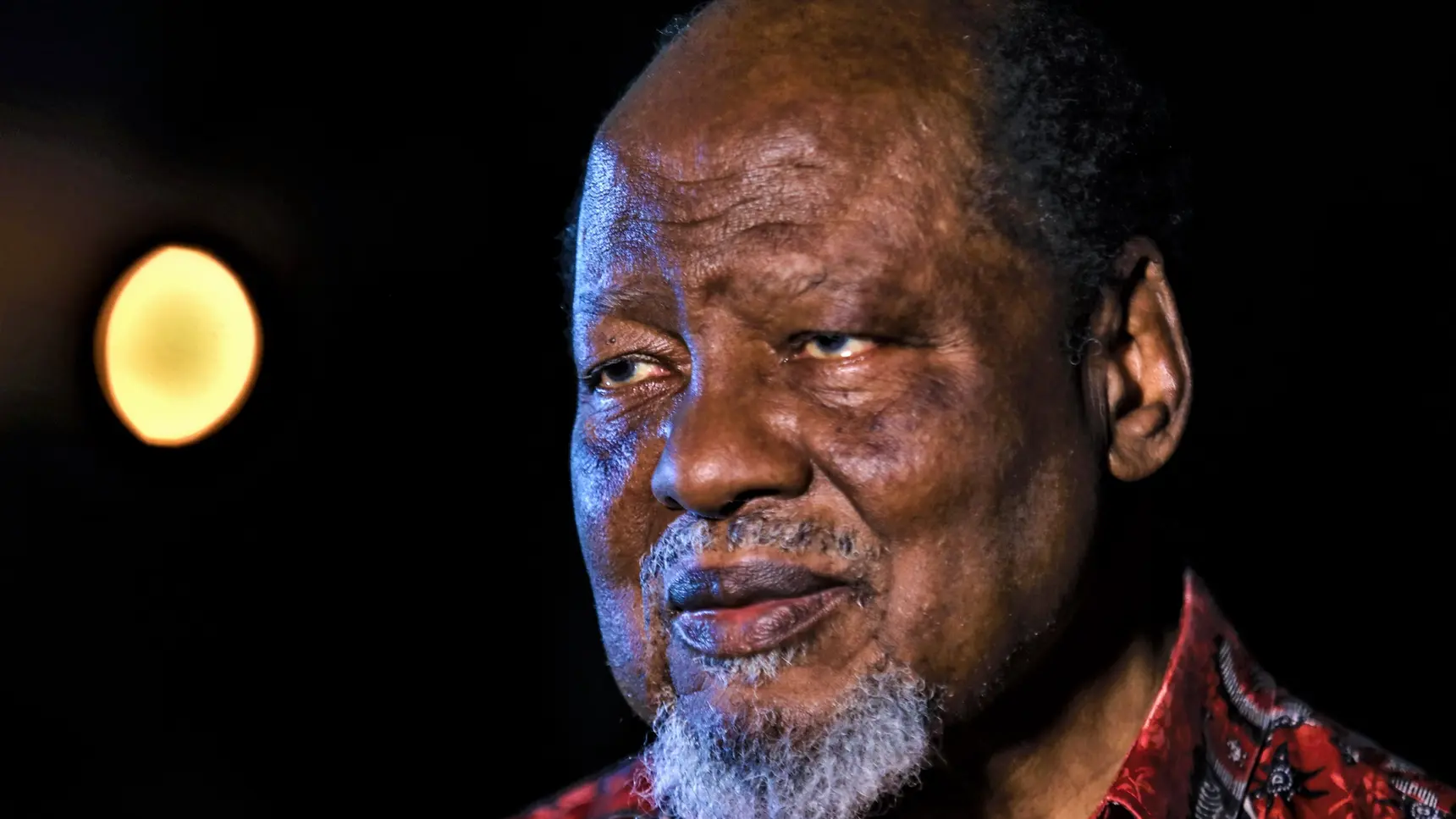
Former Mozambican President Joaquim Chissano on Wednesday (20) called for the creation of a “culture of non-corruption” in the country, arguing that the fight against such practices should involve civic and ethical education throughout society, starting in childhood.
“We must unite. In our mutual education, self-education, because we need to create a culture,” said Chissano, who served as Mozambique’s head of state from 1986 to 2005, according to local media reports.
The former president linked the effort to what he has advocated for years as a culture of peace: “A culture of peace is when peace lives within us, so we must also work to create a culture of non-corruption.”
Chissano’s comments come as Mozambican authorities investigate alleged financial irregularities at the National Social Security Institute (INSS), in a case that has fueled public debate over mechanisms to prevent and combat corruption and the mismanagement of public resources.
Read more: Russia ready to assist Mozambique in “eliminating” Cabo Delgado terrorism
According to Chissano, corruption is an old phenomenon and is not a new reality in Mozambique. In his view, the challenge is to change practices and behaviors that, in some contexts, are regarded as normal by the communities themselves.
“If we go there, into the most remote areas, and observe, we will find situations that we can call corruption, but that for the people there are not corruption,” said the former head of state.
The politician also stressed that change should begin with younger generations through education focused on integrity and ethical values.
“We need to create a culture of non-corruption among all men and women. This should begin precisely with young people, or even children,” he said, stressing that adults should also be involved in the process because they have lived through different stages of society and can contribute to a broader reflection on the phenomenon.
