

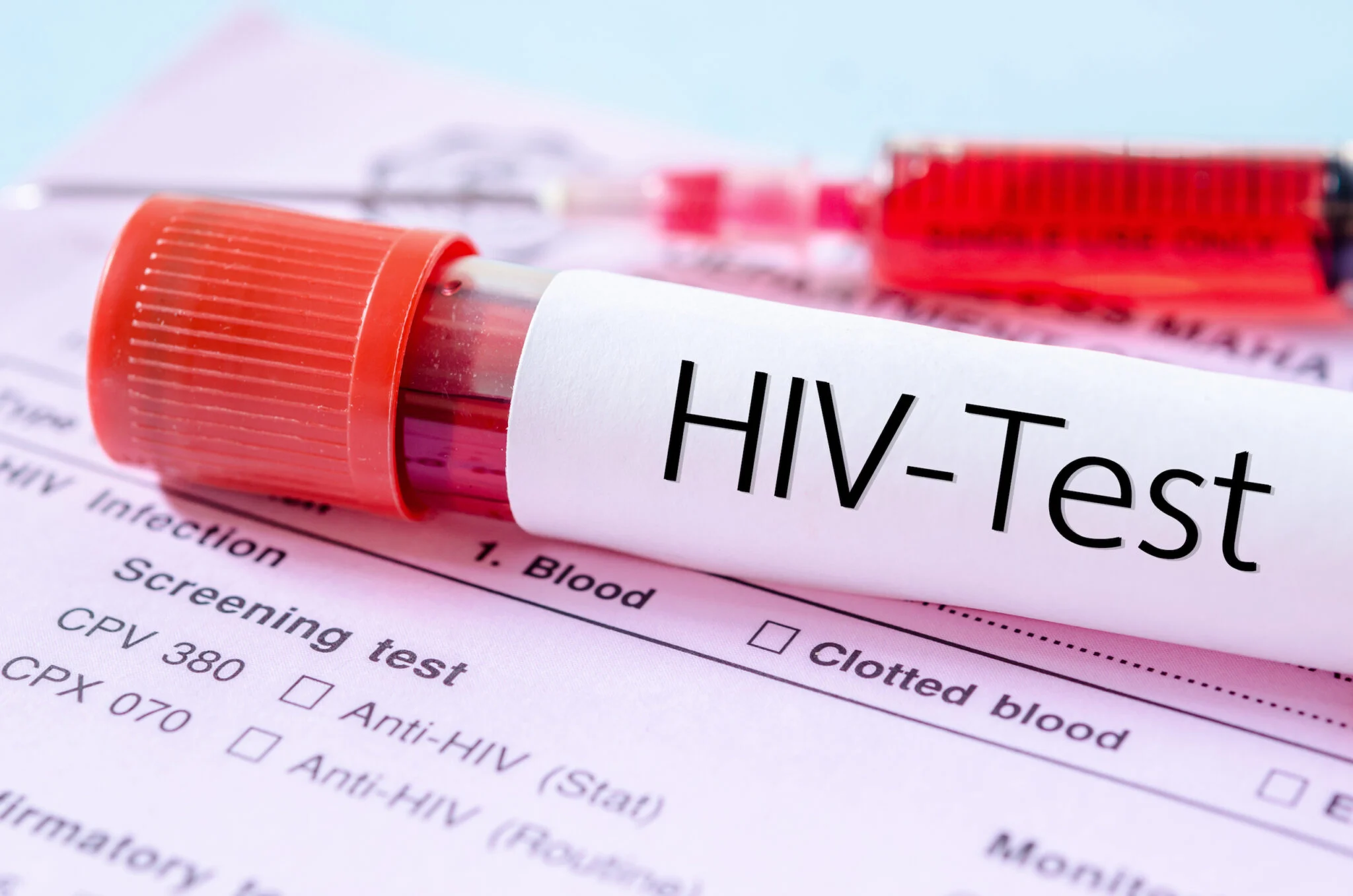
Angola’s new draft law on the comprehensive response to HIV establishes strict statutory fines ranging from 5 million to 50 million kwanzas (€4,700 to €47,200) for individuals or corporate entities found guilty of discriminating against people living with the disease.
The punitive framework of the proposed Law on the Comprehensive Response to HIV/AIDS, which has been officially scheduled for a final global vote in the upcoming National Assembly plenary session, calculates these fines based on 50 to 500 national minimum wages for discriminatory acts.
The national minimum wage in Angola is currently set at 100,000 kwanzas (€94.5) specifically for large and medium-sized corporate companies operating across the country.
According to the legal text, the denial, restriction, exclusion, or limitation of legally protected rights or institutional guarantees to individuals living with HIV is punishable by fines of 50 to 300 national minimum wages for corporate entities and a quarter to 50 minimum wages for individuals.
Read more: Portuguese wine exports to Angola surge 20%
Angolan authorities also establish in this updated law fines of 50 to 300 national minimum wages for corporate bodies in the event of any violation of the right to comprehensive healthcare attention and general medical treatment.
The exact same penalty tier is applied under the new legal framework in cases involving breaches of medical confidentiality or violations of the labor rights of people living with the virus.
Furthermore, if any entity forces an individual to undergo or present HIV diagnostic tests to exercise constitutional rights or obtain social benefits, the statutory penalty ranges specifically from 50 to 400 national minimum wages.
The omission of supplying essential medicines or failing to provide the raw inputs necessary for producing HIV medications is punishable by separate fines of 50 to 500 national minimum wages for corporate organizations.
Read more: Angola: EU provides €200,000 to help flood victims
Performing HIV diagnostic tests without the explicit, informed consent of the patient will carry an immediate administrative sanction of 50 to 300 national minimum wages.
The legislative initiative, which formally revokes the previous Law on HIV approved in 2004, also establishes strict sanctions for public or private academic institutions that fail to introduce comprehensive sexual education and HIV prevention into their school curriculums.
“Any form of discrimination against people living with HIV or those who are directly affected by it is strictly prohibited,” the draft legislation explicitly establishes.
According to the official explanatory report attached to the bill, the modern law arises from the critical necessity to update legal assumptions in light of contemporary scientific knowledge and regional human rights standards.
Read more: Angola misses out on one-sixth of potential tax revenue
The Angola Network of AIDS and Major Endemic Service Organizations (ANASO), a non-governmental entity, estimates that roughly 370,000 people live with HIV in Angola, with the majority being women, and noted that Lunda Norte, Lunda Sul, and Cunene register the highest provincial prevalence rates.
Following a conference of parliamentary group leaders, National Assembly First Board Secretary Manuel Dembo reported that, in addition to this HIV response bill, four other legislative diplomas will head to a final vote during the plenary session scheduled for June 25 and 26.
For general discussion and voting, the plenary will review a bill amending the Personal Data Protection Law, a bill amending the Political Party Financing Law, a bill modifying the Designation and Execution of International Legal Acts, and the Civil and Criminal Identification Act.
