

The European Union (EU) has allocated €200,000 in humanitarian aid to support communities severely affected by devastating floods across four provinces in Angola, the institution announced. The funding is specifically designated to reinforce the relief efforts of the Angola Red Cross Society.
It will deliver essential aid to more than 17,500 people in the provinces of Benguela, Cuando Cubango, Cunene, and Luanda through multi-purpose cash assistance, emergency shelter, clean drinking water, healthcare services, and sanitation support.
Since February 2026, torrential rains have triggered severe flooding across various regions of the country. The trail of destruction originally began in Cunene, expanded into Cuando Cubango, and rapidly worsened in April with a fresh wave of severe flooding hitting Benguela and Luanda.
In these two provinces alone, more than 51,000 people have been directly affected, while the nationwide death toll from the weather crisis has climbed past 45 people.
Read more about this topic: Angola: 31 missing persons due to floods in Benguela
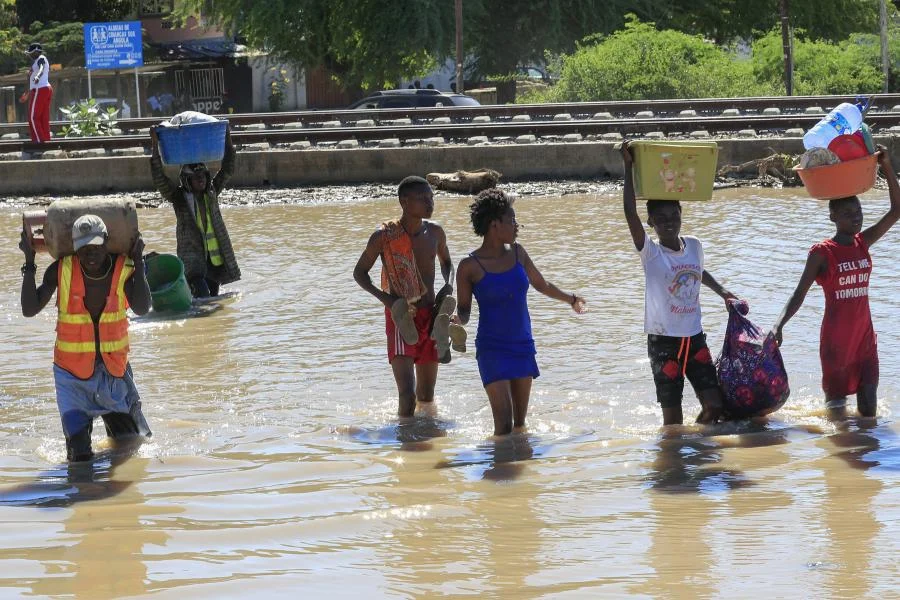
Benguela quickly became the epicenter of the humanitarian crisis following the breach of a dike on the Cavaco River on April 12. The failure of the infrastructure resulted in 19 deaths, left 31 people missing, and forced more than 9,000 residents to abandon their homes. The flooding also caused extensive structural damage to houses, public roads, hospitals, railways, and other critical infrastructure.
The catastrophe disrupted essential services and left thousands of displaced families living in temporary shelters, exacerbating the urgent need for food, clean water, medical care, and protection.
Public health authorities have also issued urgent warnings regarding the growing risk of waterborne and vector-borne diseases—such as cholera, diarrhea, malaria, and dengue—due to widespread contamination of water sources and inadequate drainage systems.
This EU-funded emergency response project is scheduled to run through the end of the year. The financial package forms part of the EU’s overall global contribution to the Disaster Response Emergency Fund (DREF) of the International Federation of Red Cross and Red Crescent Societies (IFRC).
