

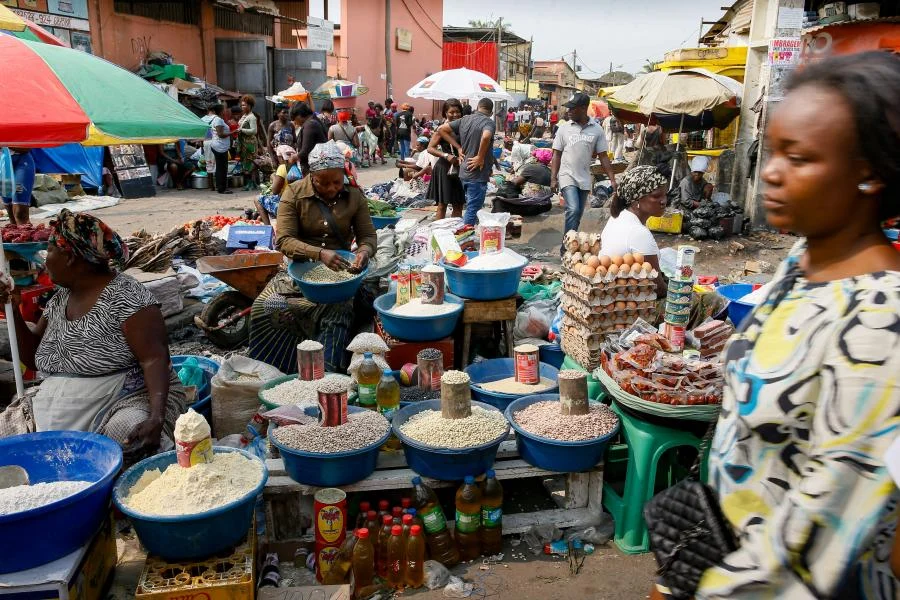
The most extreme forms of food deprivation eased in 2025 in Angola, “although significant challenges persist in regular and adequate access to food,” according to the Angolan National Institute of Statistics (INE).
In the 2025 Food Insecurity Experience Scale report, prepared in partnership with the Food and Agriculture Organization of the United Nations (FAO), the Angolan INE indicates that 11.7% of surveyed households faced severe food insecurity in 2025, compared to 19.5% in 2023 (following a gap in recording in 2024).
Of the 13,035 households surveyed, more than half (59%) revealed moderate food insecurity, “highlighting their vulnerability even in the absence of extreme hunger situations,” the report reads. In 2023, this percentage was 55.1%.
The number of households in food security or mild food insecurity (without difficulties accessing nutritious food) rose to 29.1%, compared to 25.4% in 2023.
Read more: Angola: lack of river maintenance is the “root cause” of floods
The prevalence of severe food insecurity in 2025 was slightly higher in rural areas compared to urban areas, with a difference of 0.1 percentage points. The same trend was observed in moderate food insecurity, with rural areas continuing to show higher values.
“In contrast, in the category of food security or mild food insecurity, a reversal of this pattern is observed, with a higher proportion in urban areas (31.6%) compared to rural areas (24.8%),” the report adds.
The sample size was expanded from 10,944 households in 2023 to 13,080 in 2025, providing greater representation in urban areas, which increased from 55.2% to 62.5% of the sample, while rural representation decreased from 44.8% to 37.5%.
“Estimates of food insecurity allow us to understand the real situation regarding the availability and access to varied and healthy food for the population,” the INE emphasizes.
Read more: Angola: death toll has risen to 19 in Benguela due to floods
The Food Insecurity Experience Scale (FIES), developed by the FAO, “captures different levels of food insecurity severity, from concerns about food access to more serious situations of food deprivation, allowing for a more comprehensive and individual-centered analysis,” it explains.
The INE integrated the FIES into the Angolan Employment Survey in 2019, which has allowed for the “production of robust indicators on food insecurity in the country on an annual basis, disaggregated at national and provincial levels and internationally comparable,” within the framework of the Sustainable Development Goals (SDGs) established by the United Nations 2030 Agenda.
