

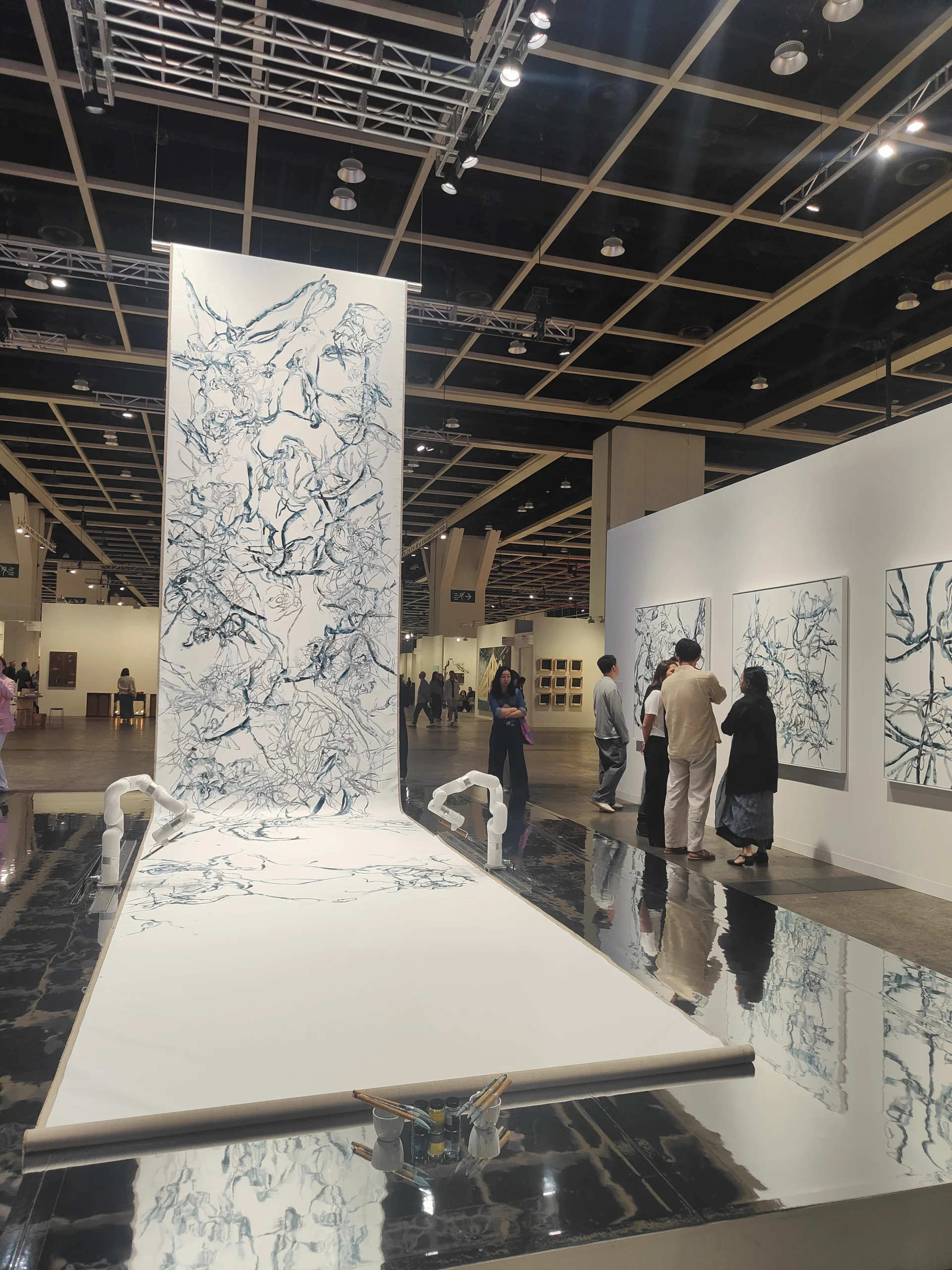
With around 240 galleries from more than 40 countries, the fair that expanded globally from the small Swiss city of Basel once again showed that Hong Kong is capable of bringing together, in the same space, iconic names of modern and contemporary art alongside emerging artists and experimental proposals.
Among the highlights were iconic names such as Pablo Picasso — Chat et crabe sur la plage (1965) — and Joan Mitchell, whose painting is a major reference in abstract expressionism. But also Gerhard Richter and Louise Bourgeois, less obvious examples brought by international galleries that reinforce the historical dimension of the event.
This year’s edition also confirms the vitality of contemporary production, for example with Nicole Eisenman and her new introspective paintings, or Christine Sun Kim, whose digital installation explores the relationships between sound, language and perception. The presence of creators such as Suki Seokyeong Kang and Shahzia Sikander also underlines the growing weight of Asia and of diasporas in global artistic discourse, intersecting history, identity and geopolitics.
Read also: Macau: More Culture, Less ‘Decoration’
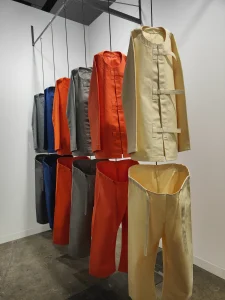
The coexistence of established names with new forms of expression is one of Art Basel’s strengths, but also evidence of its contradictions. The logic of the fair, oriented towards sales, favours established artists and works with market liquidity. For this reason, critics note, curatorial risk tends to be limited and the offering is adjusted to a selective collecting public. Curiously… one that rarely goes to fairs, and even less often is it there that the cheque is written.
The art of being Hong Kong
Reducing Art Basel to its commercial dimension ignores its broader impact in the context of Hong Kong’s attempt to recover its international political, financial and cultural relevance. The fair is a beacon of that resilience; and the major international galleries, together with the new generation of Asian artists, are helping to place the neighbouring region back at the centre of the global art circuit.
For years, Hong Kong was above all an entry platform into the Asian market; now it is also trying to establish itself as a place where Asian production takes centre stage. This repositioning does not eliminate its commercial dimension; rather, it reinforces it by introducing greater diversity and cultural density.
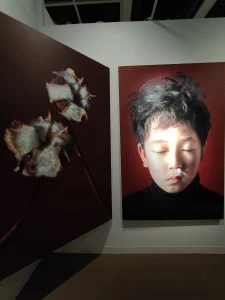
The so-called “Art Week” makes this dynamic even more visible. Museums, galleries and institutions turn the city into a broader artistic ecosystem; art is not confined to the fair’s pavilions but becomes part of the urban space; and Hong Kong recovers its historic vocation as a meeting point between markets, cultures and languages.
Read more: National security now covers education and culture
It is a commercial fair — perhaps excessively so — but perhaps that tension between market and creation, artistic and financial value, explains its continuing relevance. In a global artistic ecosystem undergoing transformation, Hong Kong asserts itself as a centre of transactions, but also as a space where art circulates, confronts itself and, at times, even surprises. More than enough to justify the importance of Art Basel.
