

The truce between the United States and Iran entered its second day amid renewed tensions, with Tehran indicating it might resume hostilities while Israel intensified its airstrikes in Lebanon.
The two-week ceasefire agreement, announced as a step toward negotiations aimed at ending a conflict that has claimed thousands of lives and had a global economic impact, began to show cracks just hours after it took effect.
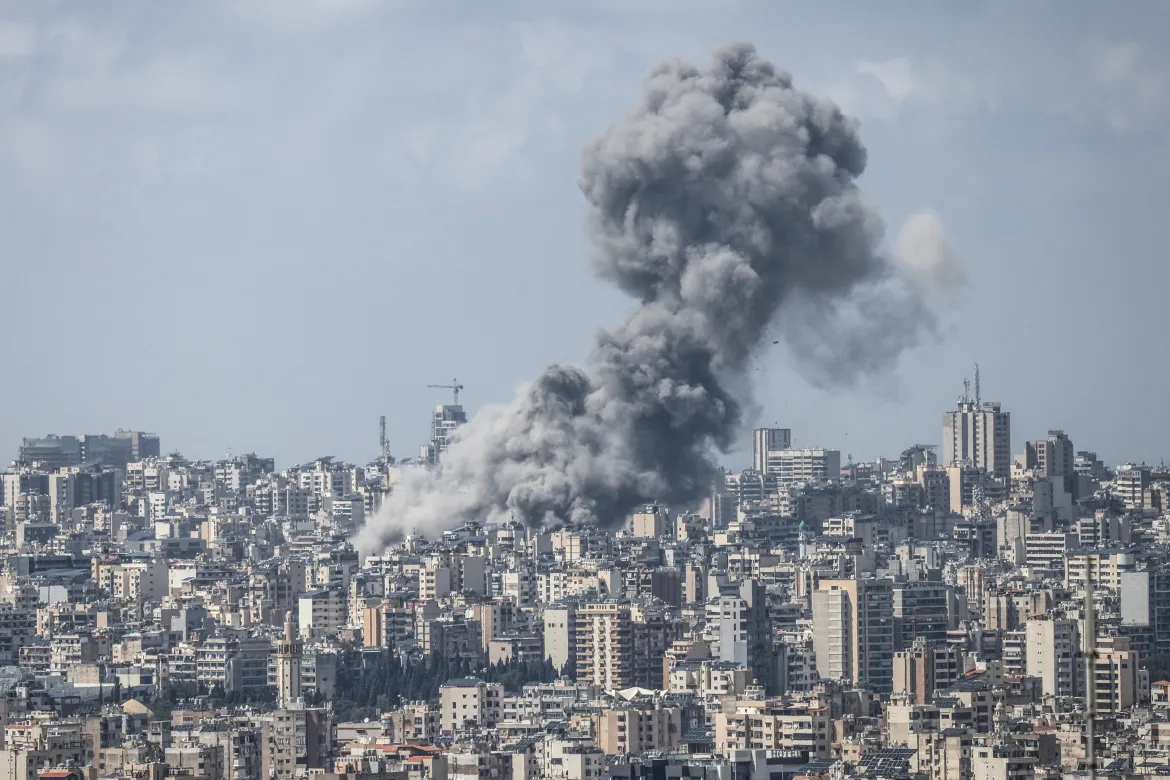
On Wednesday, Israel carried out its most intense attacks on Lebanon since Hezbollah’s involvement in the conflict began in March, striking densely populated areas of Beirut. The bombings left at least 182 dead and about 900 wounded, according to the Lebanese Ministry of Health.
Tel Aviv argued that the offensive against Hezbollah is not covered by the agreement between Washington and Tehran, a position also supported by U.S. Vice President JD Vance, who is expected to lead negotiations with Iran in Pakistan.
Read also: Iran War: US claims Tehran’s defense industry has been destroyed (with video)
Despite this, Iranian officials accused the United States of violating the agreement reached. Parliament Speaker Mohammad Bagher Ghalibaf argued that the minimum conditions for negotiations had already been compromised, citing the attacks in Lebanon, the incursion of a drone into Iranian airspace, and restrictions on uranium enrichment as examples.
Disagreements also arose over the terms of the agreement, with U.S. sources indicating that the plan presented by Tehran does not align with what the White House accepted to suspend the war.
On the ground, the violence continued to escalate. Unannounced attacks in Beirut caused panic among the population, while the total death toll in Lebanon has now surpassed 1,700 since the start of the Israeli offensive last month.
The Iranian Revolutionary Guard warned that it may respond if the attacks persist, while Hezbollah stated it reserves the right to react. On the Israeli side, Prime Minister Benjamin Netanyahu assured that the country remains prepared to confront Iran, emphasizing that there are still military objectives to be achieved, including the disarmament of Hezbollah.
Read also: Iran War: JD Vance to join upcoming US-Iran talks in Pakistan (with video)
The United States has also stepped up its military readiness, with Pentagon chief Pete Hegseth assuring that U.S. forces are prepared for a possible further escalation.
Meanwhile, attention is turning to high-stakes negotiations scheduled for the coming days in Pakistan. Iran had agreed to temporarily reopen the Strait of Hormuz, crucial for oil transport, but indications of a new blockade emerged just hours later, a move criticized by Washington.
Tehran also announced alternative routes for maritime traffic, citing security risks on the main shipping lane, while Pakistani Prime Minister Shehbaz Sharif called for restraint from all parties to allow diplomacy to move forward.
Despite the ceasefire, new Iranian attacks against U.S.-allied Gulf countries were also reported, in response to bombings of oil infrastructure, raising doubts about the agreement’s durability. In Tehran, the atmosphere appeared calmer after days of tension, with residents expressing some relief, though fears of new clashes persist.
On the international stage, leaders from Europe, as well as from Canada and the United Kingdom, have called for a swift and lasting end to the war, while Pope Leo XIV highlighted a moment of hope.
Nevertheless, deep differences persist between Washington and Tehran, particularly regarding Iran’s nuclear program, economic sanctions, and control of the Strait of Hormuz, through which about one-fifth of the world’s oil passes.
After weeks of instability, the announcement of the ceasefire had an immediate impact on the markets, with a significant drop in oil and natural gas prices in Europe.
U.S. President Donald Trump also criticized NATO allies for their lack of support during the conflict, admitting he would discuss the United States’ position within the alliance.
