

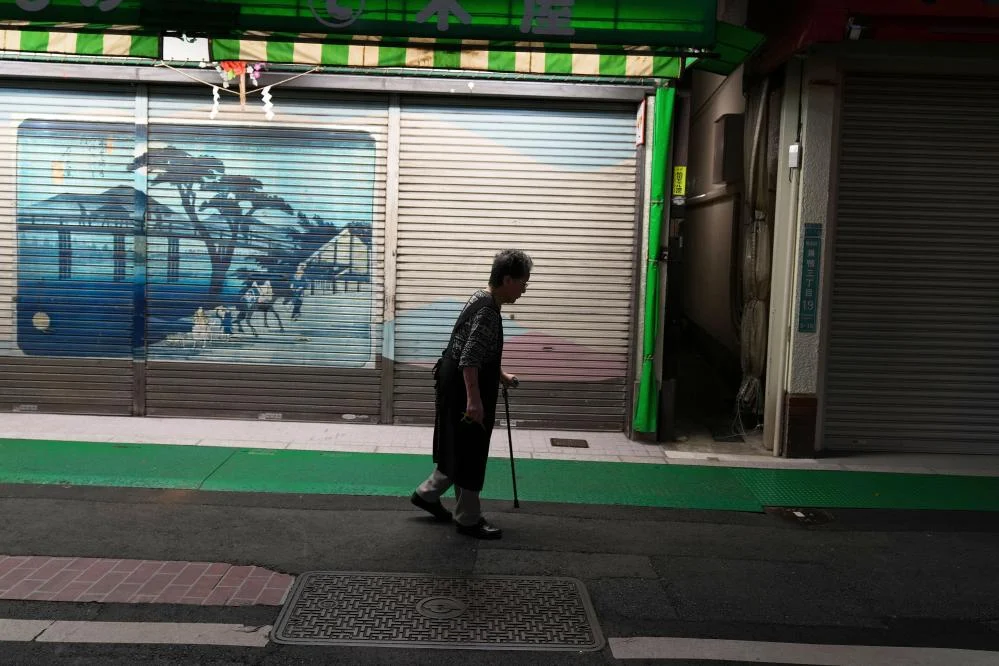
Japan’s population has shrunk by 2.5% over a five-year period, according to newly released census data, marking the sharpest decline on record since the national survey began in 1920.
Preliminary estimates from the twice-a-decade census show that the population of the world’s fourth-largest economy plummeted to 123 million people in 2025. This represents a loss of more than three million residents compared to the previous census conducted in 2020. Alarmingly, the rate of contraction has more than tripled compared to the decline observed between 2015 and 2020.
Government spokesperson Minoru Kihara addressed the media following the release, stating that the figures confirm once again that the country’s demographic decline is severely worsening.
According to the World Bank, Japan has the world’s second-oldest population, surpassed only by Monaco. The root of the crisis lies in a stubbornly low birth rate, which stood at 1.2 in 2023—well below the 2.1 threshold required to maintain a stable population level. Official data published earlier this year underscored this trend, showing that the number of births in Japan fell for the tenth consecutive year in 2025, hitting a record low of 705,809.
Read more: Japan’s economy expands by 0.5%
While economists frequently point to immigration as a viable solution to a shrinking workforce and population base, conservative Prime Minister Sanae Takaichi has advocated for stricter controls regarding the influx of foreign nationals.
In recent years, Japanese officials have deployed various strategies to encourage marriage and boost birth rates, though with limited success. These initiatives include increasing childcare and education subsidies, expanding financial support for parental leave, and even developing government-backed dating applications.
