

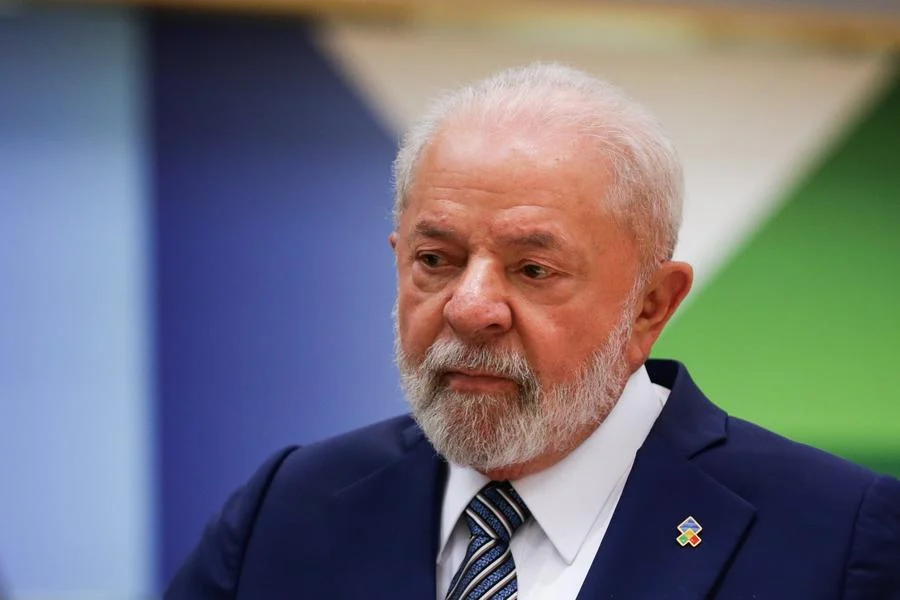
Brazilian President Luiz Inácio Lula da Silva once again criticized the war in Iran on Tuesday, March 31, and its impact on international oil prices, which are driving up the cost of fuel – particularly diesel – in Brazil.
The country imports about 30% of the fuel it consumes, making it particularly vulnerable to fluctuations in international markets. The government assures that it is taking measures to prevent a price spike, which would have a direct impact on inflation.
“We have taken every possible measure to prevent a rise in diesel prices,” Lula stated in São Paulo during an event marking the 21st anniversary of the University for All Program (Prouni) and the 14th anniversary of the Racial Quota Law.
The President also criticized the sale of the former BR Distribuidora, noting that price drops at refineries do not always reach the end consumer due to the actions of intermediaries.
Leia também: Lula considera injustificados aumentos dos combustíveis
According to Lula, the government relies on oversight from agencies such as the Federal Police and the Public Prosecutor’s Office to combat any abuses. “We will only rest easy when the price of diesel stops rising, because this is Trump’s war—it is not the Brazilian people’s war—and we must not become victims of this war,” he added.
The Head of State also called on the major world powers—the United States, the United Kingdom, France, China, and Russia—permanent members of the UN Security Council, to act responsibly.
“The world needs peace, not war,” he stated, warning that rising fuel prices ultimately affect the cost of essential goods such as food.
To mitigate the impacts, the Brazilian government is preparing a provisional measure that provides for a subsidy on imported diesel, with an estimated discount of about 1.20 reais (0.20 euros) per liter. The total cost, estimated at about three billion reais over two months, is expected to be shared between the central government and regional governments.
The initiative aims to curb rising prices and prevent shortages, given the gap between domestic prices and international market prices.
The war in the Middle East, which has been ongoing for about a month, has caused a sharp rise in oil prices – about 50% since the start of the conflict – increasing pressure on economies dependent on energy imports.
In addition to the economic impact, reports warn of potential environmental and climate consequences in a region that is home to some of the world’s leading oil producers, including Iran itself.
