

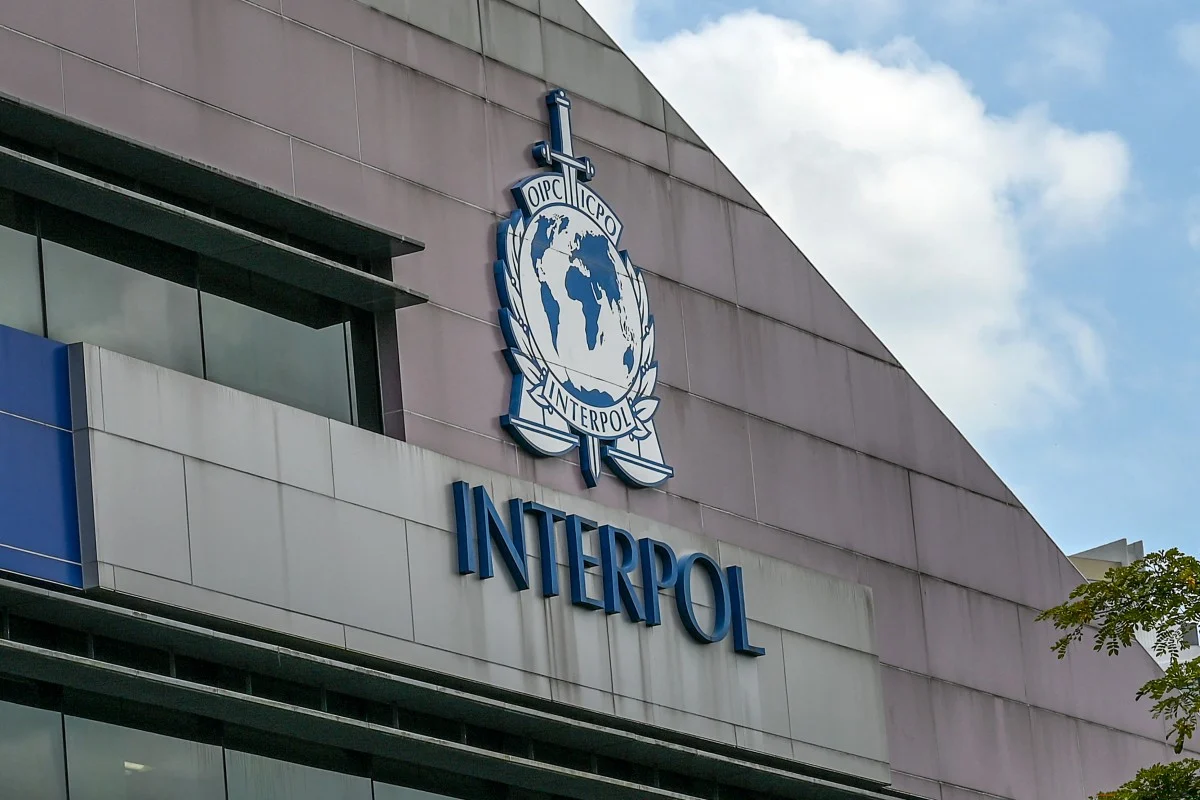
The Brazilian justice system has authorized the inclusion of fuel sector tycoon Ricardo Magro on Interpol’s Red Notice list, framing him as the largest tax evader in Brazil’s history. Magro, the head of the Refit Group, stands accused of orchestrating a massive corporate and financial web that successfully evaded over €4 billion in taxes and allegedly funneled state resources abroad.
The Supreme Federal Court approved the Federal Police’s request for an arrest warrant and subsequent Interpol listing because Magro currently resides outside of Brazilian territory. This international mechanism makes his criminal profile available across all member-state police forces, legally enabling foreign authorities to detain the fugitive businessman.
The development unfolded alongside a major Federal Police crackdown dubbed Operation “Sem Refino” (Unrefined), which froze 52 billion reais (approximately €8.93 billion) in assets belonging to the suspects and corporate entities linked to Magro. Law enforcement confirmed that the operation targets a powerful fuel conglomerate suspected of exploiting complex corporate structures to conceal assets, launder property, and evade capital overseas.
Read more about this topic: Brazil leads wealth concentration in Latin America
In response, Refit issued a statement acknowledging that its tax disputes are being contested in judicial and administrative spheres, while simultaneously claiming that government actions against independent refineries harm market competition and inherently favor major fuel cartels.
The sweeping anti-corruption operation executed 17 search and seizure warrants alongside seven suspensions from public office across the states of Rio de Janeiro, São Paulo, and the Federal District. Among the most prominent political targets was the former Governor of Rio de Janeiro, Cláudio Castro, who recently left his gubernatorial post to launch a Senate campaign before being declared ineligible by the Electoral Court due to separate administrative scandals.
Federal investigators informed the Supreme Court that Castro actively used his political influence as governor to favor Magro, effectively functioning as a political asset by sanctioning legislation that directly facilitated Refit’s tax evasion scheme.
The persistent evasion strategies employed by Magro and the Refit Group heavily influenced the Federal Government and Congress to pass the “Habitual Debtor Law” earlier this year in January. The new legislation significantly tightened tax compliance rules and amplified punitive measures against corporations that systematically use tax default as a deliberate business strategy to undercut competition.
Read more: Brazil: More than 40% of citizens report living with organized crime
Magro’s legal situation even escalated into top-tier international diplomacy during a bilateral meeting at the White House between Brazilian President Luiz Inácio Lula da Silva and U.S. President Donald Trump. Because the fugitive businessman is known to be living in a luxury property in Miami, President Lula directly pressured the American administration for his extradition.
Speaking to reporters after the meeting, Lula confirmed he provided the U.S. President with exact names and addresses of high-profile Brazilian fugitives hiding in the United States, emphasizing that delivering the owner of Refit to Brazilian justice remains a paramount step in genuinely combating transnational organized crime.
