

China’s special envoy for the Middle East, Zhai Jun, assured today that Beijing values the restraint shown by the United Arab Emirates (UAE) during the regional conflict.
During a meeting with UAE foreign minister Abdullah bin Zayed Al Nahyan, Zhai stressed that “achieving a ceasefire is the fundamental way out of the current situation,” according to a statement published by China’s foreign ministry.
“After the conflict began, the UAE responded calmly and responsibly, demonstrating restraint — something China values,” Zhai said.
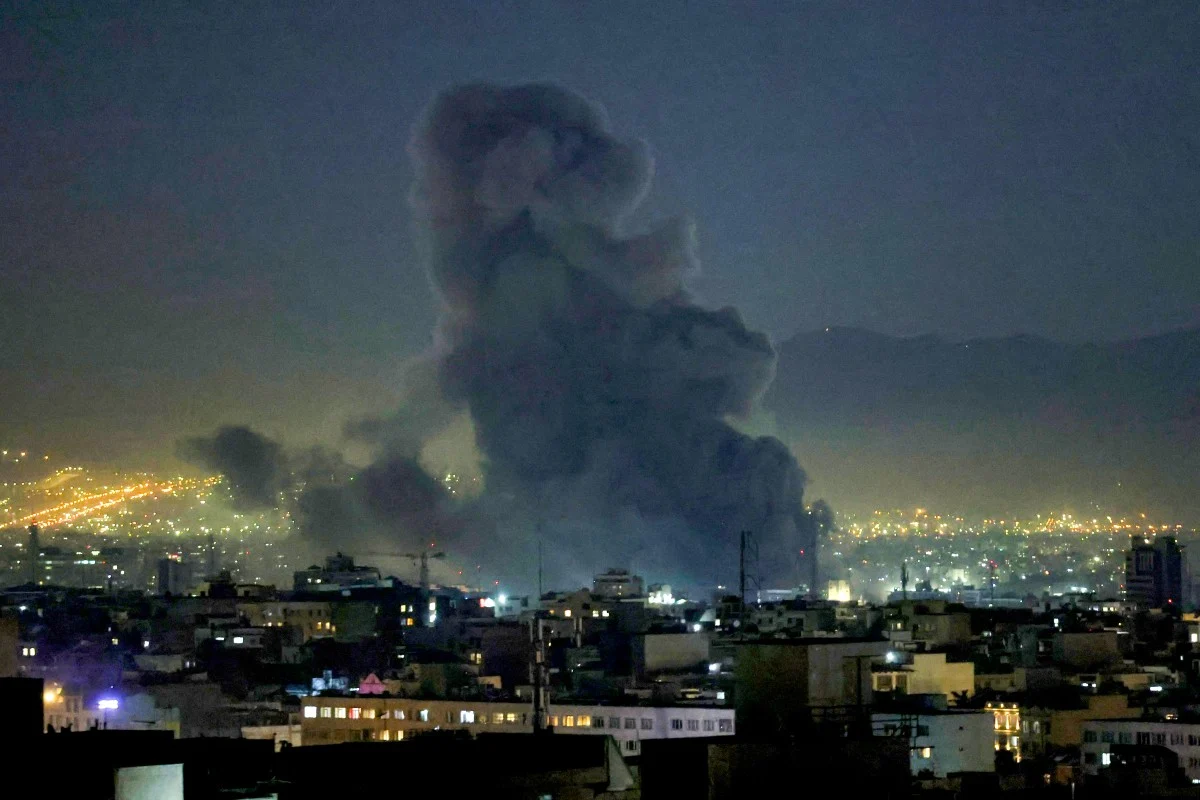
This follows Iranian strikes on UAE territory in recent days, in retaliation for the US and Israeli bombardment of Tehran.
The Chinese diplomat indicated that “China is willing to strengthen communication and coordination with the UAE, working together with all relevant parties to promote an immediate ceasefire.”
Zhai reiterated that “the sovereignty, security and territorial integrity of all countries in the Gulf region must be respected,” in line with statements Chinese authorities have been making in recent days.
Read more about this topic: China strengthens support for Iran and calls for an end to the conflict
Al Nahyan said the UAE “is not a party to the war” and has always been “committed to maintaining regional peace and stability,” and therefore “must not be attacked,” according to the statement. The UAE diplomat said he “welcomes” Zhai’s “mediation efforts” — the envoy having already met Saudi foreign minister Faisal bin Farhan in Saudi Arabia on Sunday at the start of his Middle East tour.
On Tuesday, Chinese foreign minister Wang Yi told his Qatari counterpart Mohamed bin Abdulrahman in a phone call that China “does not support the expansion of the scope of attacks” in the context of the Middle East conflict.
China — Tehran’s main trading partner and the largest buyer of Iranian oil — has repeatedly condemned the US and Israeli strikes on Iran for “violating the sovereignty” of the Persian country. Chinese authorities have also called in recent days for “maintaining the security of maritime routes,” given that 45% of China’s oil imports pass through the Strait of Hormuz.
