

Two more members of Iran’s women’s football squad have been granted asylum in Australia before the delegation left the country, Australian minister for home affairs Tony Burke announced today.
With these two additions, the number of women who have received humanitarian visas in Australia rises to seven, after five Iranian players had previously sought asylum, Burke said at a press conference in Canberra.
One was a player and the other a member of the coaching staff, with both applying for asylum before the remaining members of the delegation were transported to the airport.
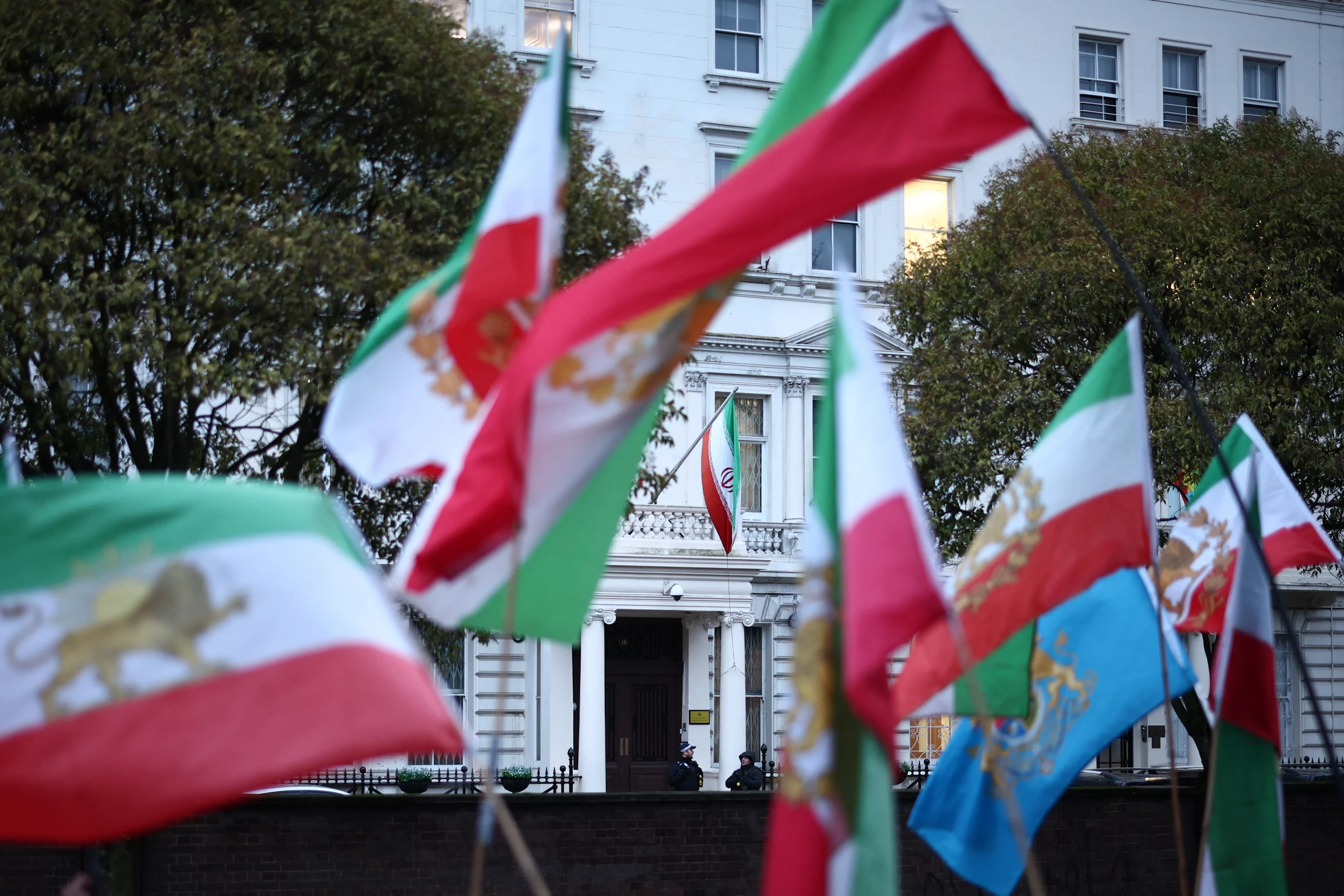
The rest of the squad departed from Sydney to return to Iran despite protests outside the hotel hosting the delegation and at the airport. Iranians living in Australia attempted to prevent the women from leaving the country, citing fears for their safety in Iran. The flight departed on Tuesday night.
The team had arrived in Australia to compete in the Asian Cup before the war in Iran began on February 28. The team was eliminated from the tournament at the weekend and faced the prospect of returning to a country under bombardment.
The Australian government today revealed the final efforts made to ensure each member of the squad could consider an asylum offer. Burke explained that as players passed through border control, they were called individually to speak with Australian officials and interpreters, with no accompanying persons present.
“Australia made this offer because we are deeply impressed by these women as individuals,” he said. “The choice that Australia gave — the choice of having government officials in front of you saying it depends on you — is a choice every person should have the right to,” he added.
Some players contacted their families in Iran to discuss the offer, Burke said, but no other member of the delegation decided to remain in Australia.
Read more about this topic: Iran War: Trump asks Australia to grant asylum to Iranian players who refused to sing anthem (with video)
“Everything centred on ensuring the dignity of these people so they could choose,” he said. “We could not remove the pressure of the context they were in, of what they may have been told beforehand, of the pressures they might feel regarding other family members,” he explained.
Those who sought asylum received temporary humanitarian visas, which will lead to permanent residency in Australia, Burke said. The minister added that some members of the delegation were not offered visas due to links to Iran’s paramilitary Revolutionary Guard.
The Iranian squad became popular in Australia during the tournament, and Iranian community groups in the country had urged the government to prevent the players from leaving, after they attracted widespread media coverage by not singing the Iranian national anthem before their first match.
Read more: Iran War: Donald Trump admits to conditional peace negotiations with Tehran (with video)
The players did not publicly explain why they did not sing, and later greeted the anthem and sang in the remaining matches. Throughout the tournament they avoided commenting on the situation in Iran and made no political statements.
The team’s fate attracted international attention, including from US president Donald Trump, who on Monday criticised the Australian government for not having offered asylum to the players.
