

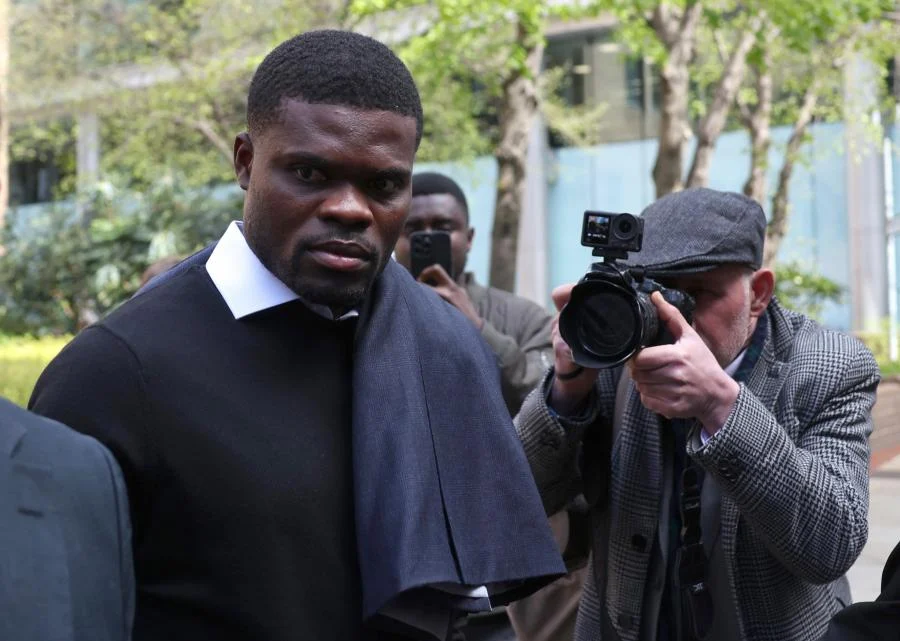
Thomas Partey arrived at the 2026 World Cup as one of its most scrutinised participants, not for anything he did on a football pitch, but for what happened off it. The 32-year-old Ghanaian midfielder, a former Arsenal player now at Villarreal, faces seven counts of rape and one count of sexual assault in the United Kingdom, relating to allegations made by four different women between 2020 and 2022, during his time at Arsenal.
Villarreal’s midfielder denies all the charges, and his lawyer has said he welcomes the chance to finally clear his name. The trial, originally scheduled for November 2026, may now be delayed until early 2027.
The case stretches back to February 2022, when London’s Metropolitan Police opened an investigation following a reported rape allegation. That inquiry ran for more than three years, during which Arsenal continued to select Partey, who made over 100 appearances for the club after the investigation began.
Most UK media organisations did not name him publicly during that period, citing legal concerns around privacy and defamation. His contract at Arsenal expired at the end of June 2025; within four days of his departure, he was formally charged with five counts of rape and one of sexual assault.
Read more: Who is Vozinha? The 40 year old Cape Verde GK who saved 7 shots from Spain (with videos)
Mr. Partey was granted conditional bail, barred from contacting the complainants and required to notify police of international travel. Two days later, Villarreal signed him on a two-year deal, stating the club respected the presumption of innocence and would await the judicial outcome. A second set of charges followed in February 2026, relating to a fourth woman and allegations dating back to 2020; Partey pleaded not guilty to those in April.
Ghana coach Carlos Queiroz selected Partey for the nation’s 26-man World Cup squad regardless, defending the decision on the grounds that the presumption of innocence applies until a court rules otherwise, while criticising what he called the media and social media’s tendency to convict players before they’ve had a chance to defend themselves.
The decision did not insulate Partey from public reaction: he was booed throughout a pre-tournament friendly against Wales in Cardiff, and had earlier been targeted with chants of “Thomas Partey, we know what you are” upon returning to north London with Villarreal in a Champions League match against Tottenham.
The bigger blow came just before the tournament began. Canada denied Partey an entry visa, blocking him from playing Ghana’s opening Group L match against Panama in Toronto. Canadian immigration authorities, citing privacy rules, would not confirm or explain the specific reasoning, though Canada’s immigration guidance notes that individuals who have been charged, not necessarily convicted, of a crime can be refused entry if assessed as a possible security risk.
Read more: World Cup: Curaçao transforms debut into social media viral phenomenon. The images marking the National Team’s entry into the competition (with video)
Ghana’s government formally protested the decision and the Ghana Football Association petitioned Canada’s Federal Court to overturn the visa refusal, with a hearing held in Ottawa. The appeal did not change Partey’s situation in time for the Panama match. He remains eligible to play Ghana’s other group games on U.S. soil, including a fixture against England, since he holds a valid American visa. Ghana’s group also includes Croatia.
The case has become a flashpoint not just for football’s handling of athletes facing serious criminal allegations, but for how international tournaments and host nations navigate visa decisions involving the criminally accused but not convicted, with Partey’s situation playing out simultaneously in a Canadian federal courtroom, an English crown court, and on the pitch in front of a global audience.
