

Maize production reached 3.6 million tonnes in the 2024/2025 agricultural season, but an additional 350,000 tonnes had to be imported at a cost of $123 million (€104.7 million), the Angolan government announced today.
According to Angola’s minister of state for economic coordination, José de Lima Massano, who today chaired a meeting between the government and maize processors and producers, there remains a need to bring these two market operators closer together, with the government acting as a bridge.
Massano highlighted that Angola’s maize needs are growing due to increasing demand, and the country has not yet achieved self-sufficiency in the grain. “We understand that, in relation to maize, to achieve absolute food security, we will need to triple what we produce today and build up reserve stocks — but this must be done carefully. Those who produce must have guaranteed market access, and those in the processing industry must also be guaranteed that maize will be available when needed,” he said.
The Angolan minister stressed that demand is growing because maize is used for both human and animal consumption. He called for increased production volumes and more producers, “whether of a business or family farming nature,” and urged producers and processors to improve information-sharing and dialogue, offering the government as an intermediary.
“What tends to happen is that producers in the primary sector often tell us they cannot sell their output, while processors say they cannot always find the product,” he explained. Faced with this situation, the government is occasionally forced, despite its firm commitment to protecting domestic producers, to “authorise maize imports” to maintain the productive cycle — a move that typically draws criticism from producers who claim maize is available locally, while processors say they cannot always find it.
Read more: Luanda led contributions to Angola’s GDP in 2024 with €30.4 billion
Speaking to the press, the president of the Maize Milling Industries association, António Aragão, said its members currently source 30% of their maize domestically, with the remainder imported. He noted that the highest-quality production is concentrated in the corridor between Malanje and Cuanza Norte provinces, though areas in southern Angola such as Huambo and Benguela are also showing positive signs.
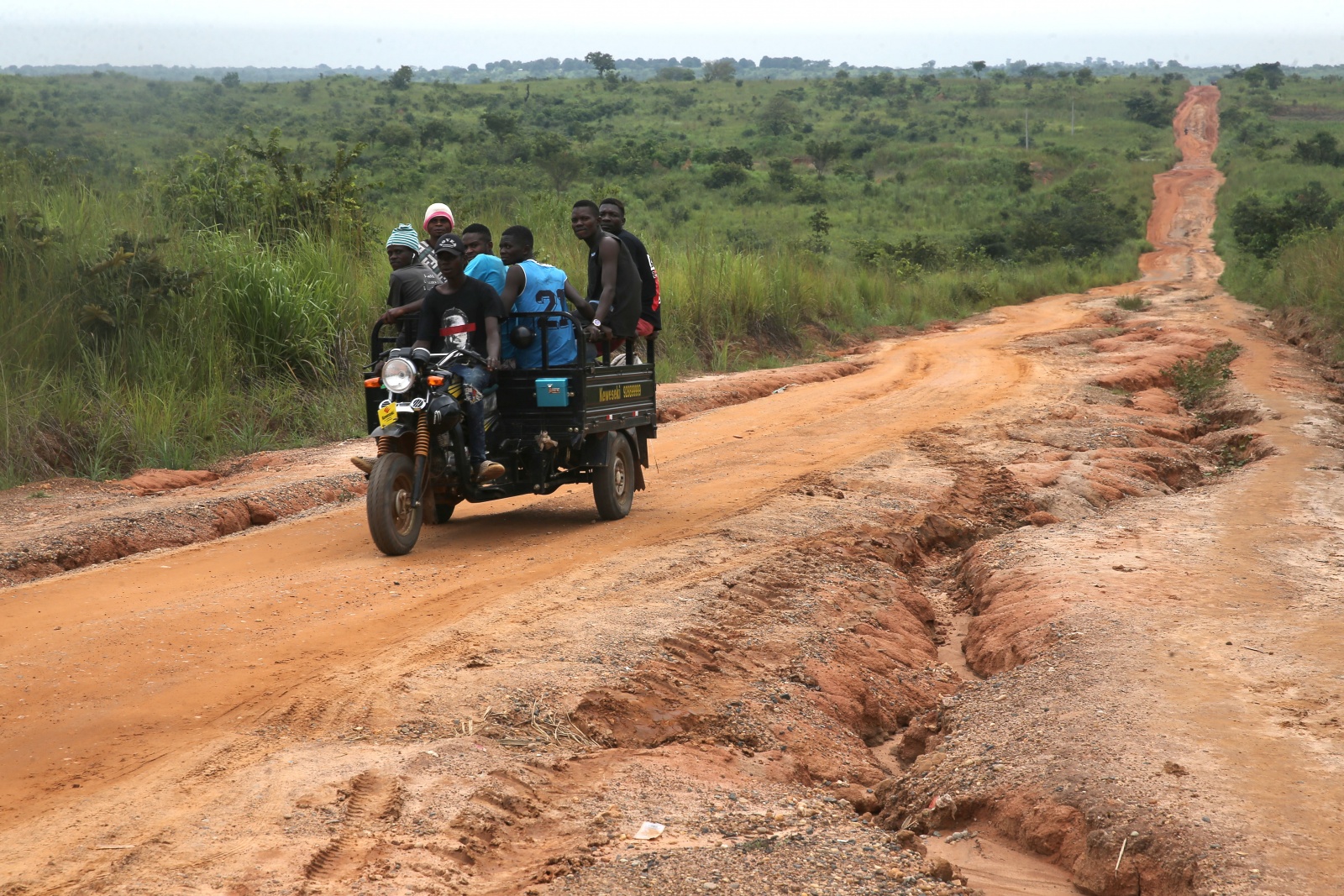
Aragão identified access to foreign currency to finance the 70% of imported raw material as the main challenge, alongside poor road quality and high transport costs as obstacles to sourcing locally produced maize.
