

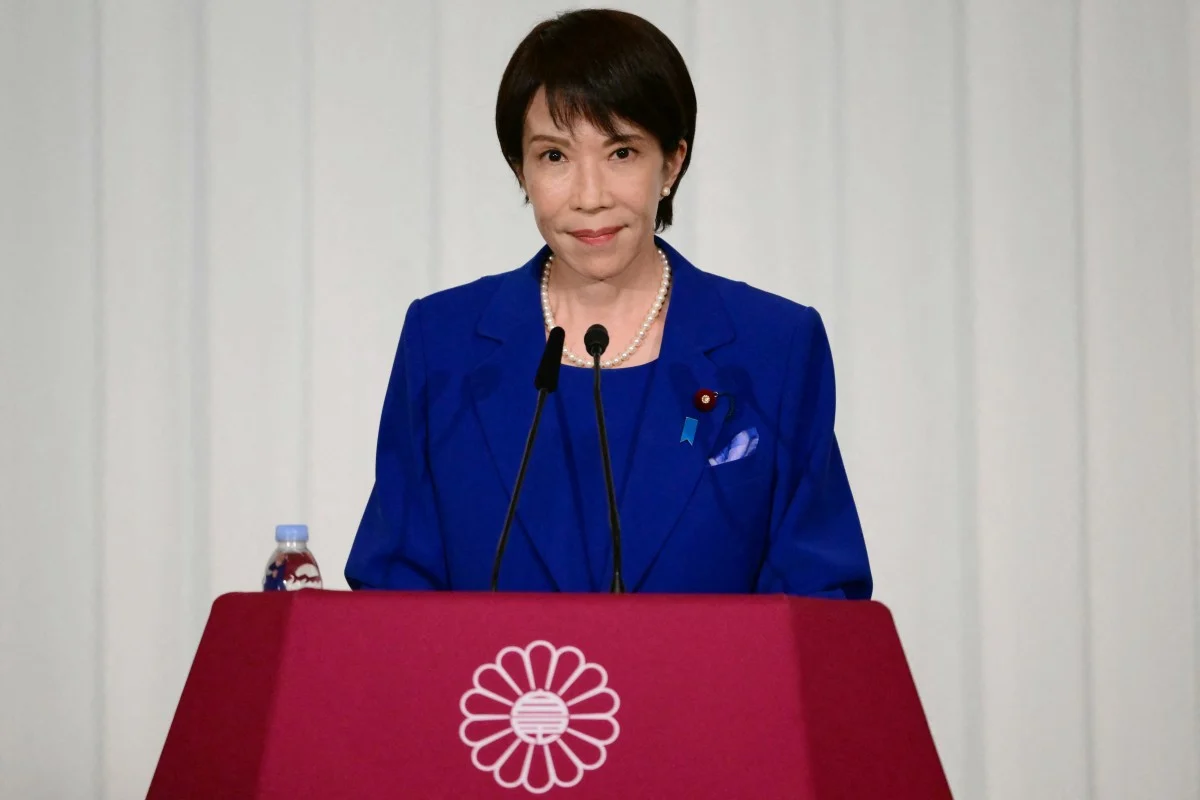
Her assertion that a Chinese attack on Taiwan could threaten Japan’s survival and lead to a military response has drawn sharp reactions from Beijing, which views Taiwan as part of its territory, Reuters reported.
To address the situation, Masaaki Kanai, an official from Japan’s foreign ministry, traveled to Beijing to reassure Chinese officials that Japan’s security policy remains unchanged. He emphasized the importance of maintaining stable relations and urged China to refrain from actions detrimental to bilateral ties.
This diplomatic effort comes as China has implemented travel warnings for its citizens, discouraging visits to Japan, a move seen as retaliation against Takaichi’s statements. Macau tourism authorities, for example, issued a statement on Saturday night reminding local residents who are currently in Japan or planning to travel there to step up their vigilance.
The notice cited a travel alert issued by the Ministry of Foreign Affairs in Beijing regarding Chinese citizens travelling to Japan, which claimed that the number of attacks against Chinese citizens has been increasing since the middle of this year.
The diplomatic rift intensified when China summoned Japan’s ambassador to express strong objections to Takaichi’s remarks. Beijing has underscored that any Japanese military interference regarding Taiwan would be met with severe consequences.
This comment reaffirms China’s assertive posture in the region, as it seeks to deter Japan from deepening its military engagement.
Moreover, the conflict has economic ramifications, as historical tensions have previously led to significant drops in tourism. Economists warn that a similar decline in Chinese visitors could have a profound impact on Japan’s economy, exceeding half of the country’s annual growth. This was evident when shares in tourism-sensitive sectors, such as department store operator Isetan Mitsukoshi and Japan Airlines, experienced notable declines.
Internationally, the situation has attracted attention, with U.S. Ambassador George Glass commenting on the tensions, implying it’s time to move past the conflict and criticizing China’s aggressive rhetoric. As the situation evolves, analysts suggest that the ongoing exchanges risk solidifying a prolonged period of friction between Japan and China, particularly as China seeks to leverage this incident to exert pressure on Japan and recalibrate its regional influence.
