

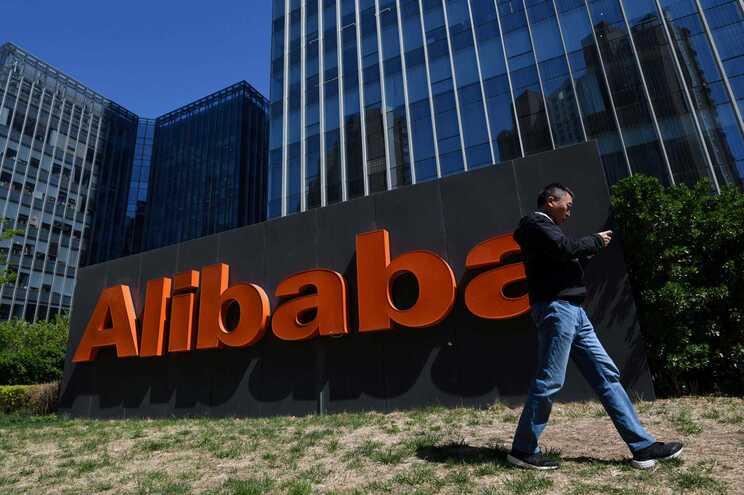
The Chinese e-commerce giant Alibaba has submitted a 1.5 billion dollar (1.296 billion euros) bid to acquire the home delivery company Pupu, Bloomberg reported today. The news agency, citing anonymous sources, indicated that Alibaba’s offer is more than double the one presented by its former subsidiary Sun Art.
Currently backed by the DCP Capital fund, Sun Art is reported to have offered around 600 million dollars (518 million euros) for Pupu. The higher proposal from the group based in Hangzhou, eastern China, reflects the growing competition for the acquisition of retail assets among the three largest names in Chinese e-commerce, a sector where Alibaba competes for market share with JD.com and Meituan.
Meituan announced in February a 717 million dollar (619 million euros) deal to acquire Dingdong, another company specialized, just like Pupu, in the home delivery of food and grocery products, a service widely used by Chinese consumers.
According to Bloomberg, this specific segment is one of the few that still shows a margin of growth in terms of online penetration. Pupu is also one of the last independent home delivery companies that has not yet been acquired by one of the giants of the sector, which has been marked in recent years by intense price wars.
Read more: U.S. adds Alibaba, Baidu, and BYD to list of companies linked to Chinese military
The article recalls that while market consolidation could help ease this competitive pressure, it also concentrates more power in the hands of a small number of dominant platforms.
This market concentration could potentially clash with Beijing’s ongoing efforts to promote healthy market competition. The acquisition of Dingdong by Meituan remains dependent on the approval of Chinese regulatory authorities, who could likewise closely scrutinize a potential purchase of Pupu.
Pupu concentrates its business activities in the central and southern regions of China and records annual revenues equivalent to approximately 4.43 billion dollars (3.827 billion euros). The outcome of this bidding war will significantly shape the future landscape of China’s rapid-delivery infrastructure and determine how major tech conglomerates control everyday consumer logistics across the nation’s expanding digital marketplace.
