

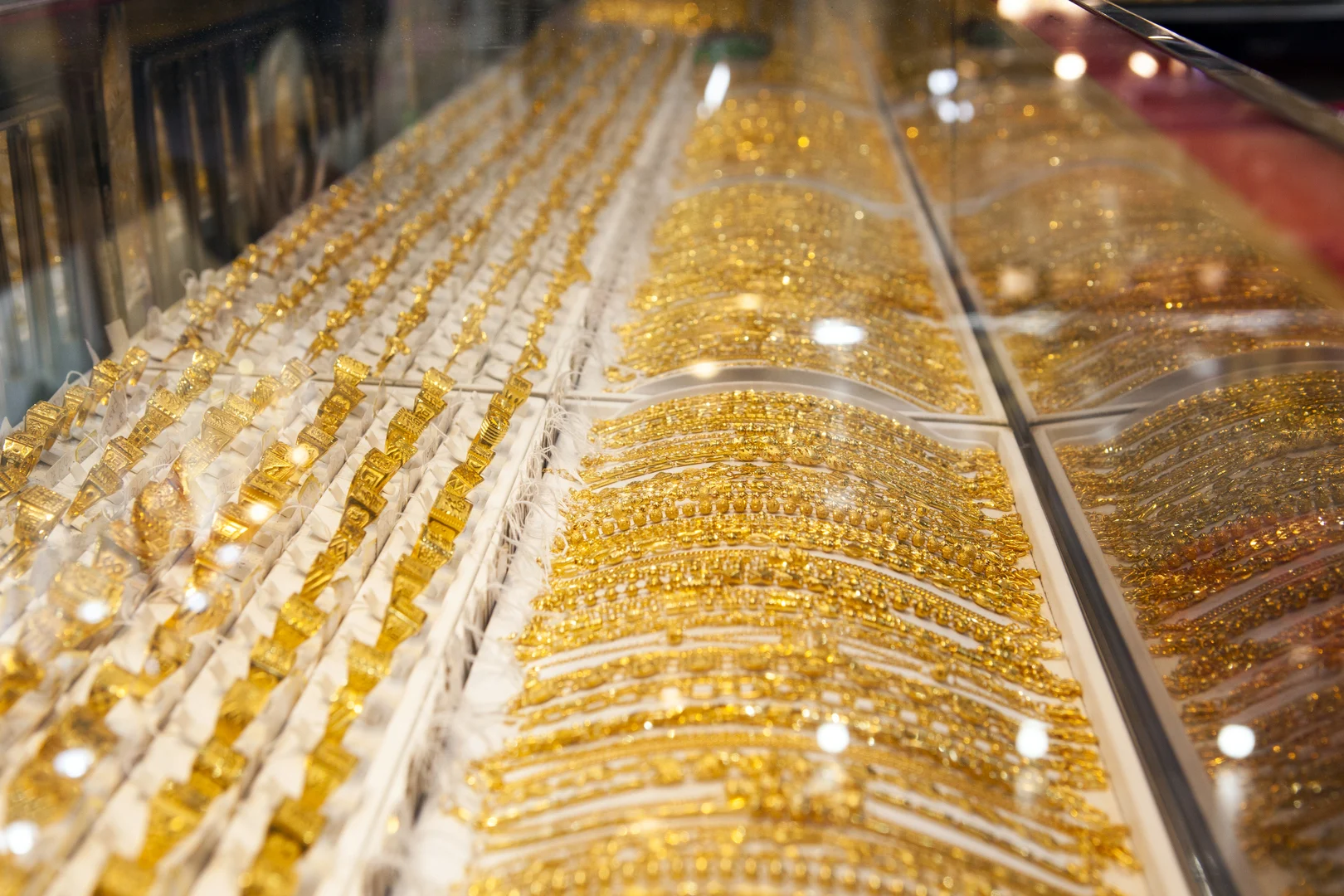
Lei explains that the habit of buying gold in turbulent periods became stronger under Trump, whose policies created global instability. “He made people unsure where to invest safely,” he notes. With confidence in the dollar and euro weakened, gold reclaimed its status as a trusted international asset — a symbol of independence, value preservation, and financial dignity. Ivan U Hou Leong, founder of Asia Pacific Island Resources, believes Macau could integrate gold trading with modern finance, taking advantage of its free-port status and Lusophone networks.
The Executive Council recently proposed a new law on gold and platinum trade, replacing outdated regulations from over 20 years ago. The bill aims to boost competitiveness and credibility while redefining categories such as platinum, gold-plated, and gold-coated items. Leong considers the regulation sufficient for Macau’s retail market but suggests Hong Kong’s system as a model if the government ever pursues a commodities market. Meanwhile, local buying habits have flipped: instead of selling during price surges, more people now buy, seeing gold as a safe, appreciating investment. “People are spending more but buying fewer grams — it’s all about budget,” says Lei. Currently, one tael (37.5 grams) costs around MOP 1,293.87 per gram — out of reach for many buyers.
Still, soaring prices bring challenges. “The higher price is squeezing profit margins across the supply chain,” warns Leong. “It’s a double-edged sword — more people are entering the market, but competition and public scrutiny are also growing.” The volatility has made the industry unpredictable, with fortunes gained and lost overnight. Jewelers now face heavier cash flow demands. “Since founding my company, I’ve kept a fixed stock of one thousand taels. Any sharp fluctuation affects our balance sheet,” says Lei.
The metal’s enduring appeal continues to attract new consumers. “Those who bought months ago can now sell for nearly double,” Lei says. “Many see gold as a smart choice — stylish, valuable, and wearable.” Buyers increasingly prefer modern designs over traditional pieces, though the custom of buying small amounts endures. “Some purchase just a few grams as a symbolic tradition — often mothers or grandmothers buying for children or future weddings,” he adds. “In a traditional Chinese wedding, if the bride doesn’t wear gold, people feel something is missing — as if the ceremony isn’t complete.”
