

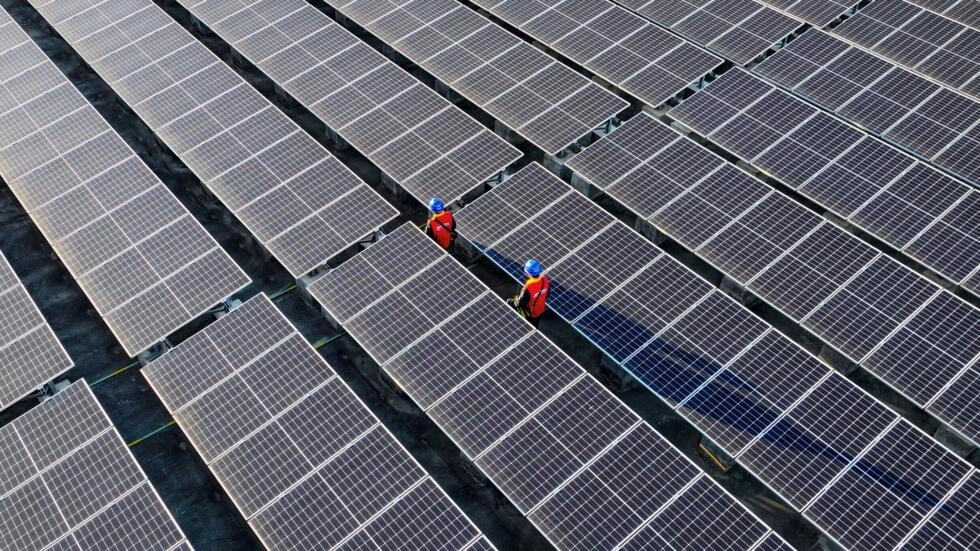
“The risks and negative impacts are not significant, and the project is expected to have some positive effects, particularly in terms of reducing dependence on fossil fuels for electricity production, reducing greenhouse gas emissions and improving air quality,” the documents said.
The government has published four social and environmental impact studies for the expansion of power plants that will produce electricity from the sun on the islands of Santo Antão, São Nicolau, Maio and Fogo.
Similarly, some benefits are expected from the creation of local jobs, both during the construction period – which, when it goes ahead, will take around six months – and during the operational phase. The studies predict that the plants will operate for 20 years.
The investments will be implemented under the Renewable Energy and Public Service Performance Improvement Project, linked to the country’s commitment to increase electricity production and coverage from renewable energy sources.
To this end, the government of Cabo Verde has secured support from the International Bank for Reconstruction and Development (IBRD), the International Development Association (IDA), the Canada Clean Energy and Forest Climate Fund, and the Global Infrastructure Facility. The government has set a target of 50% of energy produced from renewable sources by 2030.
Platform with Lusa
